-

Karl Marx’s “Wage-Labour and Capital” and “Value, Price, and Profit” are vital texts exploring capitalist economies. They analyze the relationships between labor, value, wages, and profit. The works highlight labor’s commodification, surplus value, and exploitation. Together, they offer essential insights into political economy and ongoing class struggles within capitalism.
-
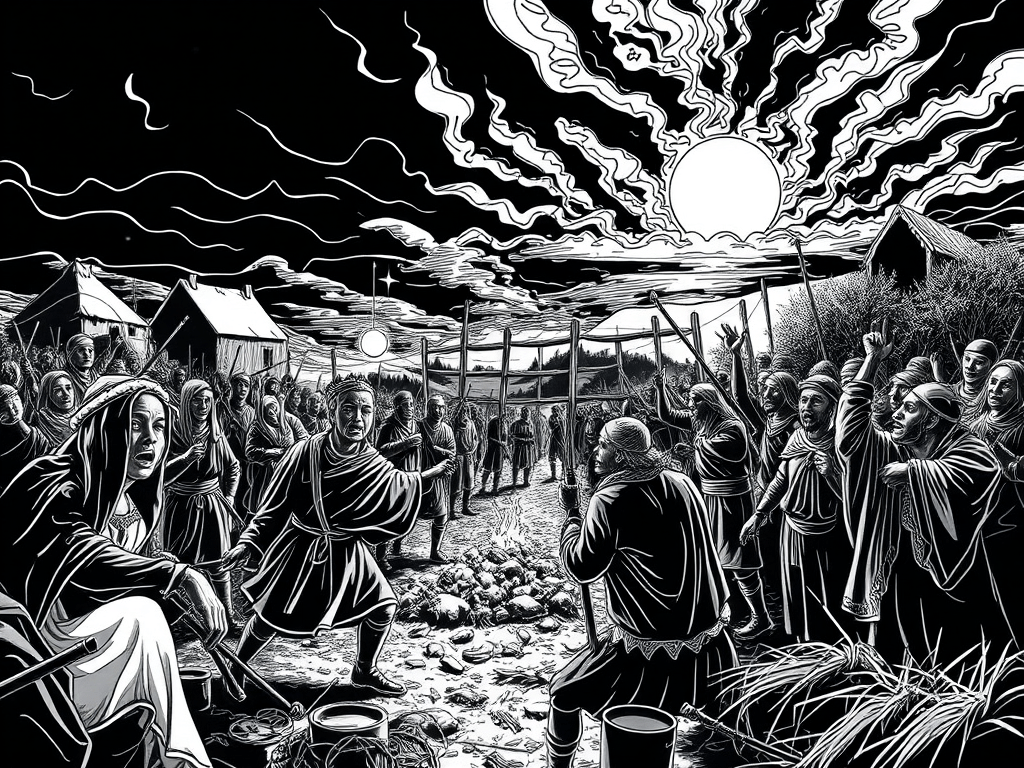
Karl Marx’s concept of primitive accumulation exposes capitalism’s origins rooted in violence and theft, contrary to the myth of hard work and virtue. This theory highlights the processes of dispossession that created the modern proletariat and critiques how historical injustices continue to impact contemporary economic disparities and power dynamics.
-

The German Ideology, co-authored by Karl Marx and Friedrich Engels, critiques idealist philosophy and introduces historical materialism. It argues that material conditions shape societal structures and consciousness. The text examines ideology as a tool for ruling classes, remains relevant for understanding power dynamics, and is essential for exploring Marxist thought and socialism.
-

Theodor W. Adorno was a significant German philosopher and critical theorist associated with the Frankfurt School. His work, including “Dialectic of Enlightenment,” critiques modern rationality and mass culture’s role in promoting consumerism. Exiled during the Nazi regime, he continued to influence sociology and aesthetics, leaving a lasting intellectual legacy after his death in 1969.
-

Tom Wolfe’s The Painted Word is a sharp critique of modern art, focusing on the shift from visual aesthetics to intellectual theories by influential critics. With humor and engaging storytelling, Wolfe exposes the absurdity of the art world, challenging elitism and encouraging readers to reconsider art’s role amidst cultural critiques.
-

Human progress relies on adaptation and critical thinking regarding our economic and political systems. Currently, capitalism’s inequalities demand a shift toward socialism, which prioritizes communal needs over profit. Socialism seeks to democratize power and resources, promoting well-being and cooperation, while recognizing human value beyond mere economic contributions. Embrace this moral revolution for a sustainable future.
-

Richard D. Wolff, born in 1942, is a leading American economist known for his Marxist perspectives on economic inequality and capitalism critiques. An advocate for worker cooperatives and founder of Democracy at Work, he teaches at The New School and hosts Economic Update, addressing economic topics through a progressive lens. His influential writings emphasize democracy…
-
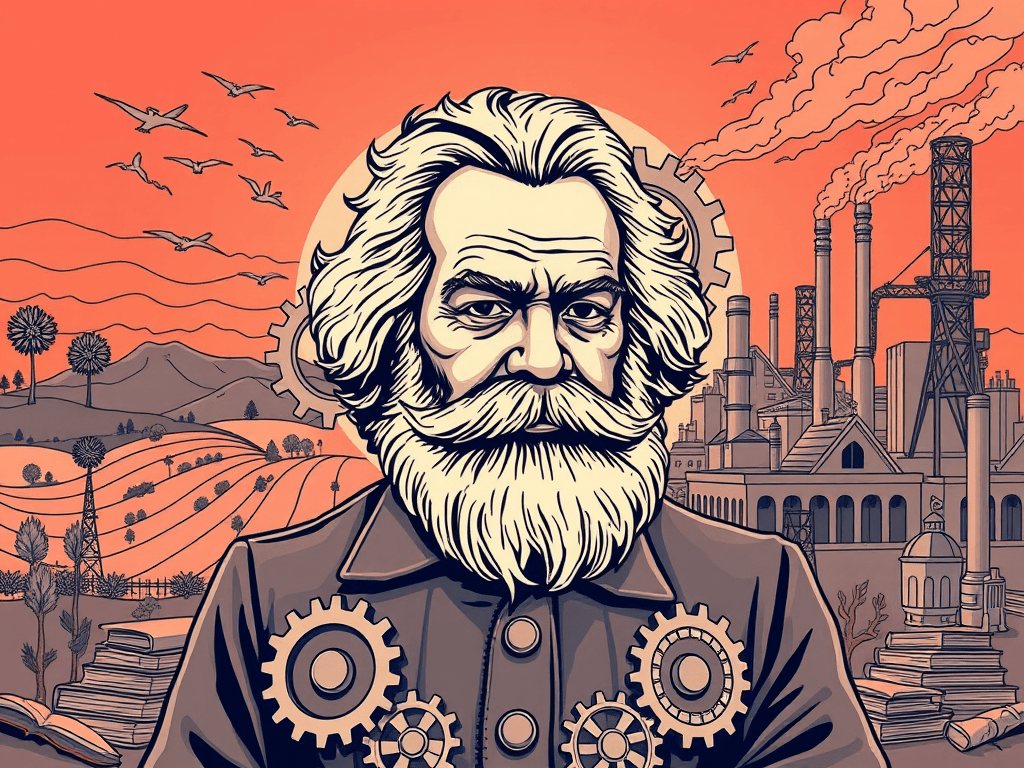
Karl Marx offers a historical materialist perspective on human consciousness, emphasizing that it is shaped by material conditions rather than existing independently. Consciousness evolves through class struggles, reflecting economic realities. As societies transform, so do ideologies, showcasing a dialectical process where contradictions propel social progress and change in consciousness.
-

Karl Marx’s Value, Price, and Profit is a foundational work on Marxist economic theory, presented as a speech in 1865. It critiques capitalism, explains exploitation through surplus value, and empowers the working class. Its accessible style and blend of theory with practical calls for action make it relevant for contemporary struggles for economic justice and…
-
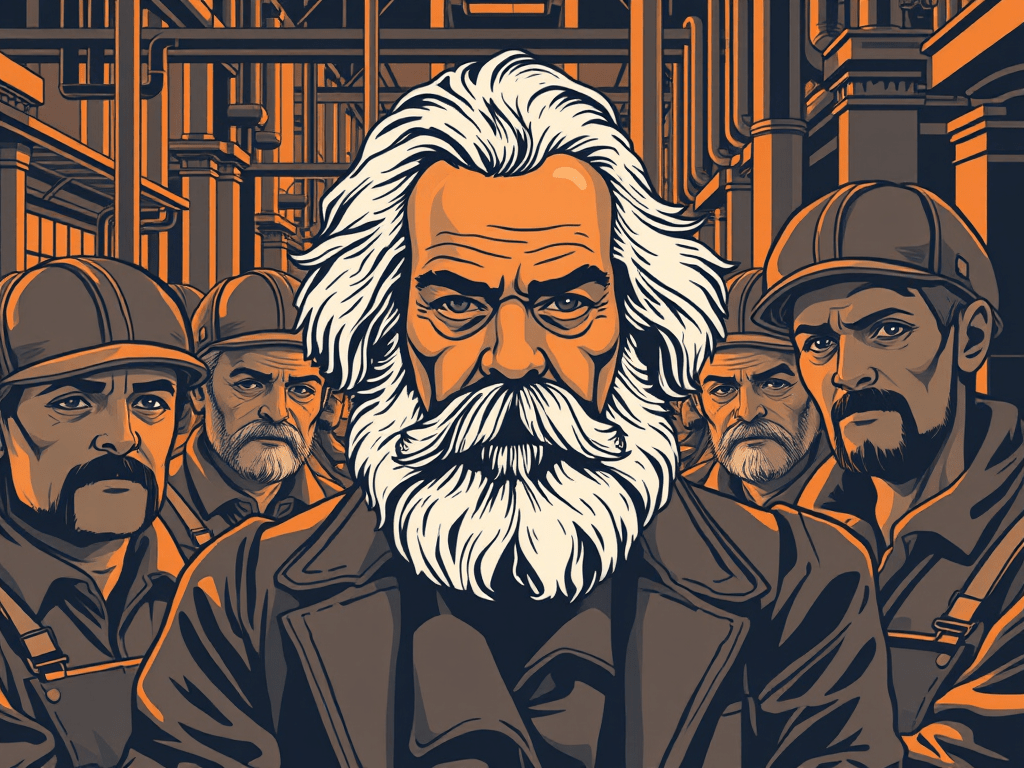
Karl Marx described the working class as the “gravediggers” of capitalism, emphasizing their role in challenging the system’s inherent contradictions and exploitative nature. While capitalism adapts and reshapes itself, the potential for collective action among workers emphasizes their capacity for revolutionary change, making the future of the system uncertain.
-
Subscribe
Subscribed
Already have a WordPress.com account? Log in now.
 Letters from Tomis