-

“Provenance: How a Con Man and a Forger Rewrote the History of Modern Art” by Laney Salisbury and Aly Sujo recounts a true art fraud perpetrated by John Drewe and John Myatt. The authors provide meticulous research and compelling storytelling but may overwhelm some readers with detail and narrative shifts. Overall, it’s a fascinating exploration…
-

The post critiques modern economic disparities, emphasizing Karl Marx’s Labor Theory of Value. It argues that all economic value stems from human labor, which is exploited under capitalism, allowing owners and shareholders to amass wealth while workers are undercompensated. The text calls for a recognition of this injustice and a potential revolutionary change.
-

Alan Woods, a British Marxist theorist born in 1944 in Wales, engaged in socialist politics from a young age. After studying Russian, he participated in Spain’s anti-Franco movement and co-founded the International Marxist Tendency in 1992. An advocate for the Bolivarian Revolution, he has published extensively on Marxism and related fields.
-
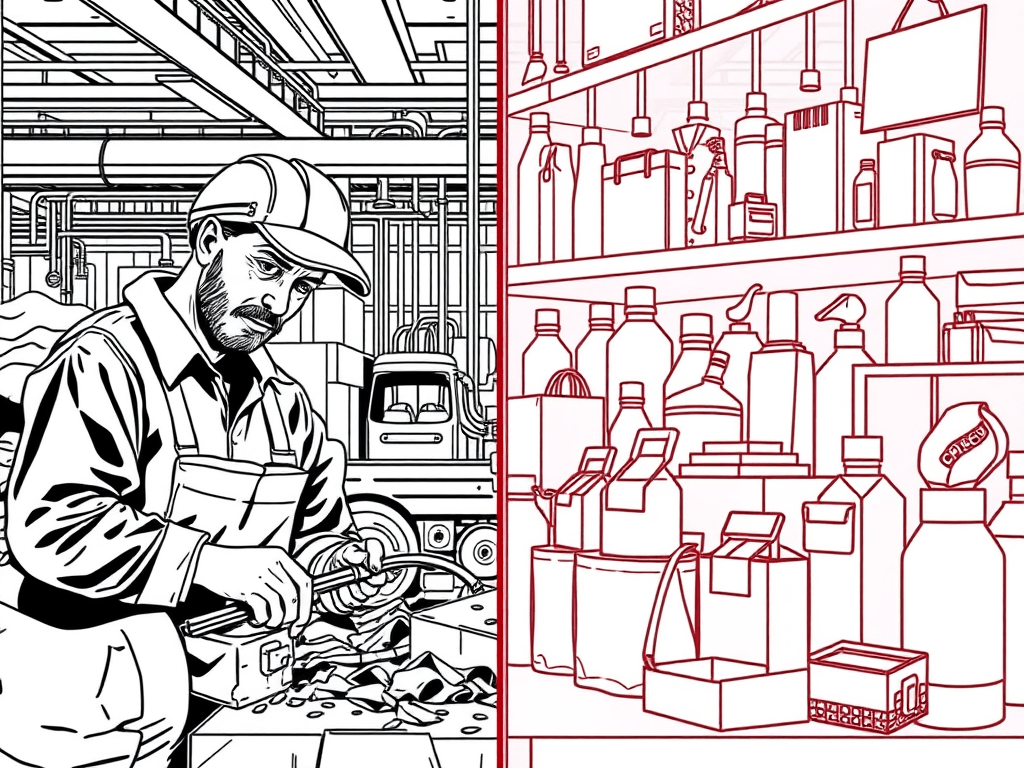
Marxist economics defines a commodity as an object of human labor, entangled in market logic. It features a dichotomy of use-value and exchange-value, leading to alienation of workers from their products. Marx critiques commodity fetishism, revealing how labor exploitation is concealed, transforming social relations into transactions, and emphasizing capitalism’s inherent inequality and potential for change.
-

Vladimir Lenin’s Imperialism, the Highest Stage of Capitalism is a crucial critique of capitalist expansion, analyzing its economic and political implications. Written during World War I, it explores the shift from competitive to monopoly capitalism, addressing issues like global inequality and imperialist policies. Lenin’s insights remain relevant in discussions of corporate power and neocolonialism today.
-
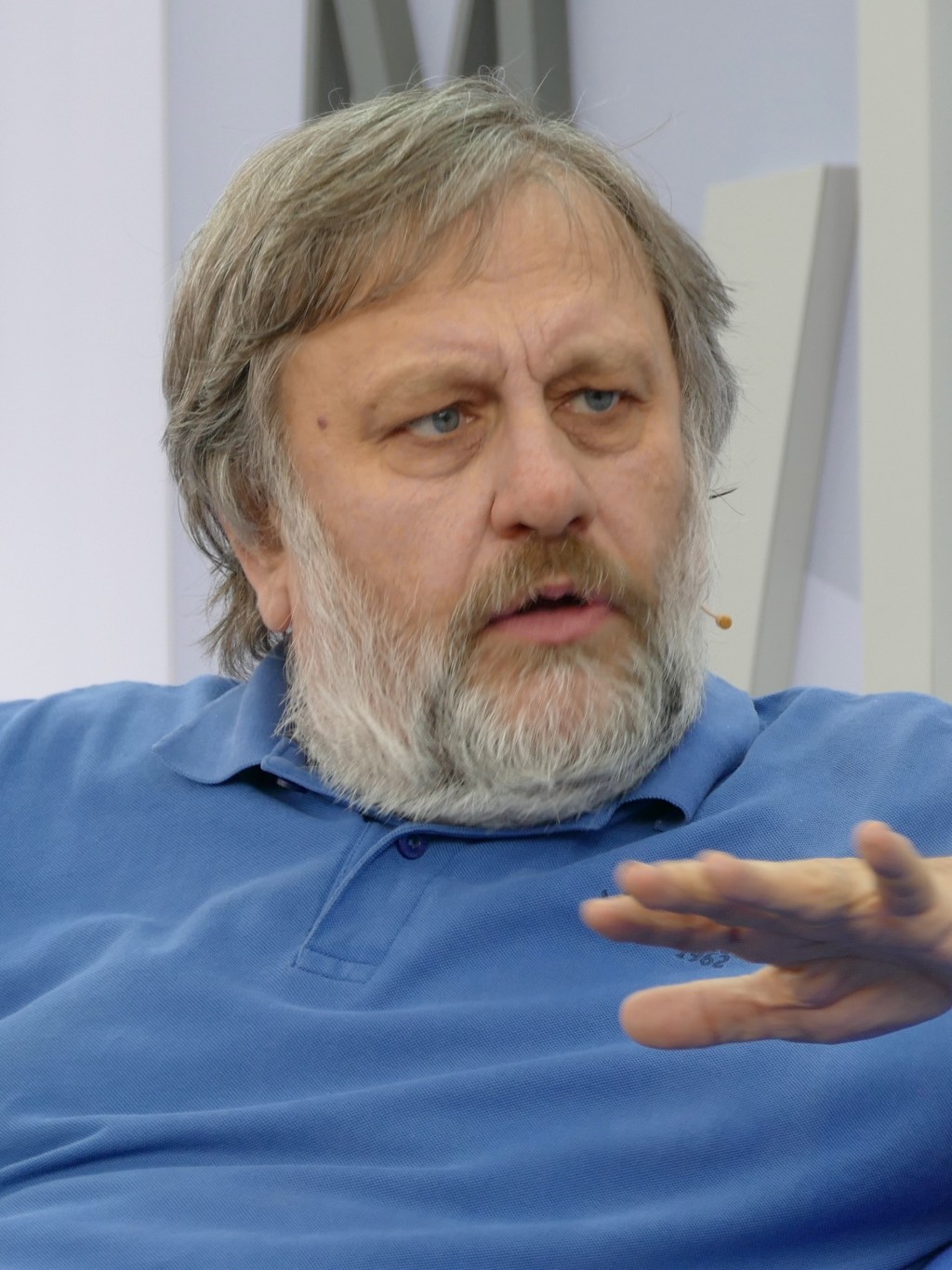
Slavoj Žižek, born in 1949, is a Slovenian philosopher and cultural critic known for his analyses of culture, politics, and psychoanalysis, merging Marxism with Lacanian theory. His works critique ideology and capitalism, with significant contributions to critical theory and political philosophy. He remains influential in academia and public discourse.
-

Asako Yuzuki’s Butter attempts to tackle true crime, feminism, and food culture but ultimately falters due to slow pacing and repetitive themes. The narrative revolves around journalist Rika Machida’s investigation into Manako Kajii but lacks suspense and strong character development, resulting in a disappointing read for those seeking a compelling story.
-
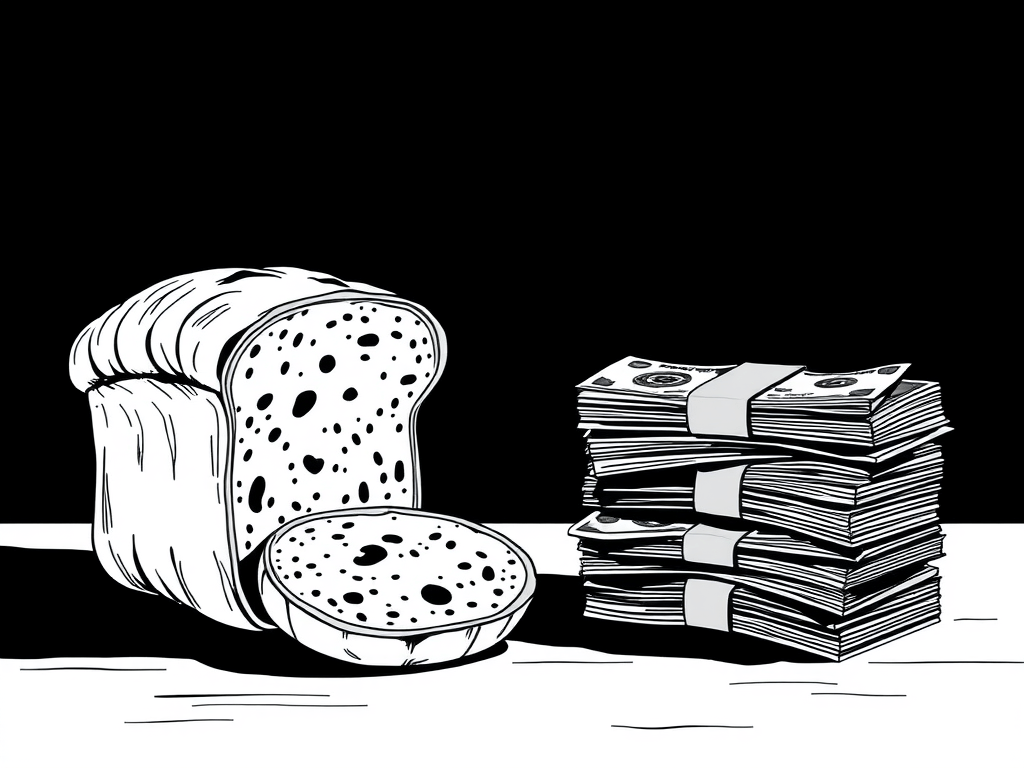
The post critiques the common dismissal of Karl Marx’s ideas as outdated, emphasizing the relevance of his analysis on capitalism’s distinction between use-value and exchange-value. It argues that capitalism prioritizes profit over human needs, leading to absurdities such as produced goods not serving necessity. Ultimately, it calls for a more honest discussion about the nature…
-

Kenneth Perenyi’s memoir, Caveat Emptor: The Secret Life of an American Art Forger, reveals his journey as a notorious art forger. The book intricately discusses forging techniques, the vulnerabilities of the art market, and questions of authenticity and value, all presented with engaging storytelling and insightful reflections on art and deception.
-
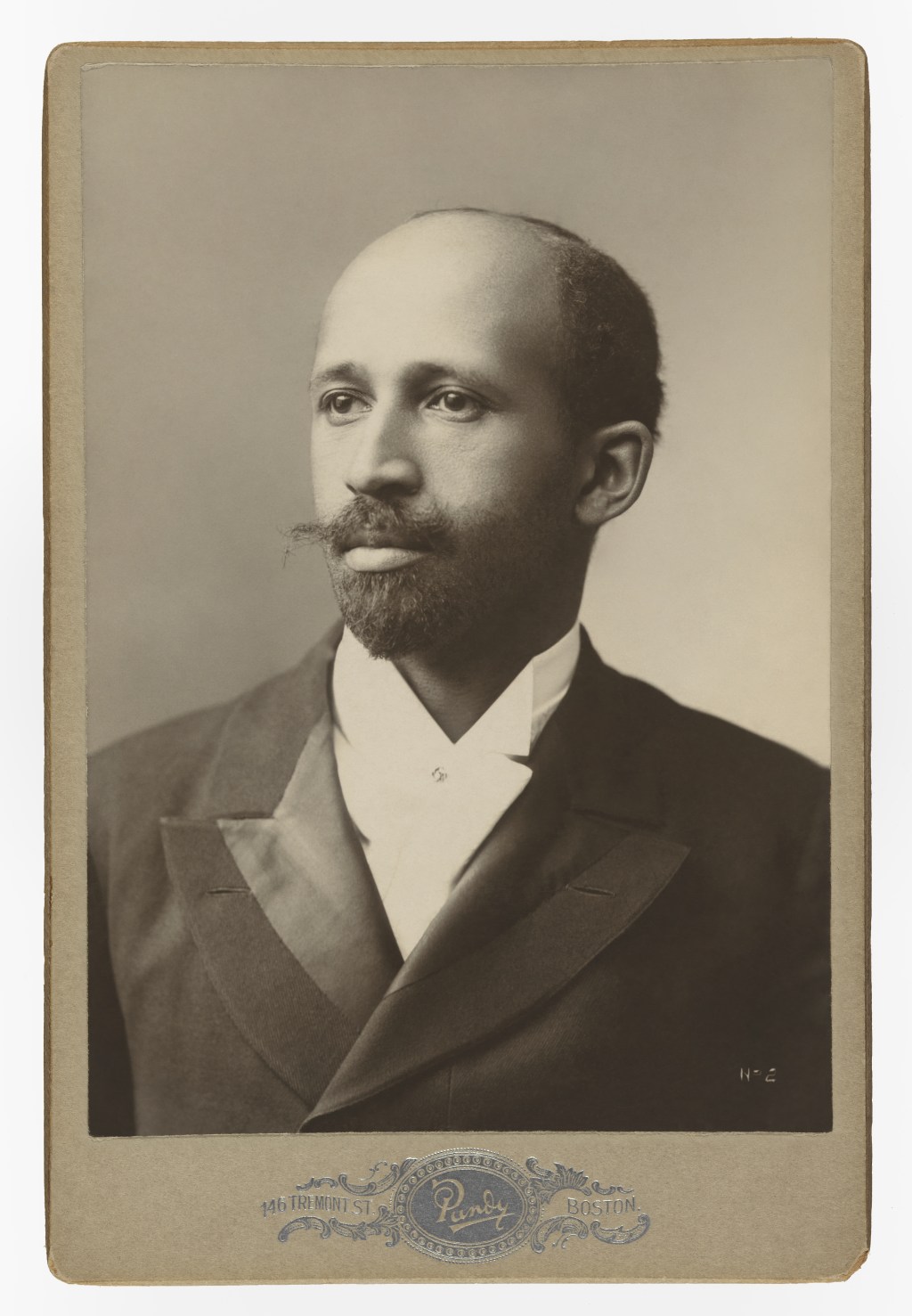
William Edward Burghardt Du Bois (1868-1963) was a prominent African American sociologist and activist. Educated at Fisk University and Harvard, he made significant contributions to historical and social scholarship, including the concept of “double consciousness.” A co-founder of the NAACP, he promoted civil rights and Pan-Africanism, later emigrating to Ghana.
-
Subscribe
Subscribed
Already have a WordPress.com account? Log in now.
 Letters from Tomis