-

Robert B. Parker’s Pale Kings and Princes offers a thrilling addition to the Spenser series, featuring a principled detective investigating a journalist’s murder linked to the local cocaine trade. With sharp dialogue and engaging characters, Parker captures the tension of small-town life, ensuring a captivating read for detective fiction enthusiasts.
-
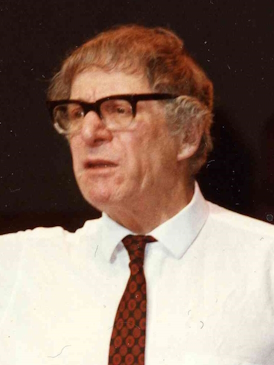
Ted Grant (1913–2006) was a prominent British Marxist and Trotskyist theorist, known for his activism in the UK labor movement. He advocated for entryism within the Labour Party and founded the Militant Tendency, influencing local councils. Expelled in 1992, he established Socialist Appeal and continued to promote Marxist ideas until his death.
-

Clifford Irving’s FAKE! explores the life of notorious art forger Elmyr de Hory, combining investigative journalism with engaging storytelling. The book delves into forgery techniques, psychological motivations, and the art world’s susceptibility to deception. Rich in detail and dark humor, it’s a captivating read for art lovers and true crime fans alike.
-

The content critiques capitalism, arguing it obscures the true nature of value, which is based on labor rather than market forces. It highlights Marx’s labor theory of value, which posits that prices reflect the labor time needed for production. Ultimately, it reveals how surplus value exploits workers, benefiting capital owners.
-
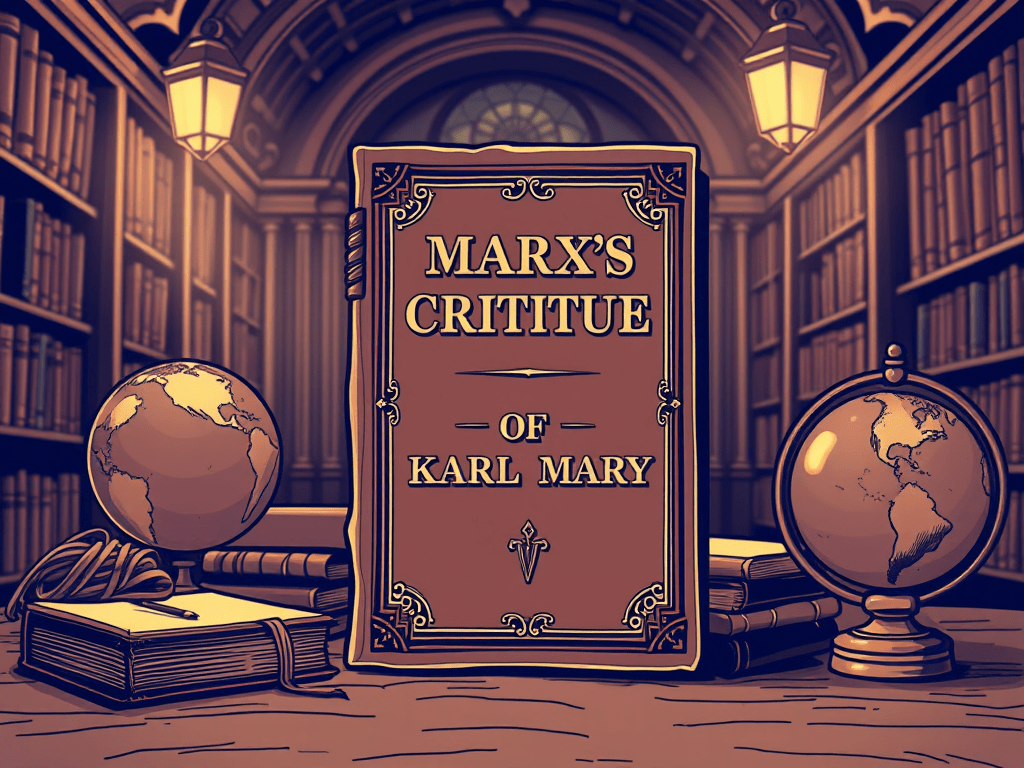
Karl Marx’s “A Contribution to the Critique of Political Economy” analyzes capitalist societies’ foundational structures, focusing on commodity production and labor’s role in value creation. This seminal work offers critical insights into how economic systems shape social relations, remaining relevant for those studying economics, sociology, and political science.
-

Karl Marx’s concept of socially necessary labor time (SNLT) reveals how capitalism measures labor not by effort or skill but by efficiency standards. This leads to exploitation, as workers’ productivity gains benefit owners rather than themselves. Ultimately, SNLT highlights capitalism’s coercive nature, demanding a shift towards valuing work based on human needs.
-
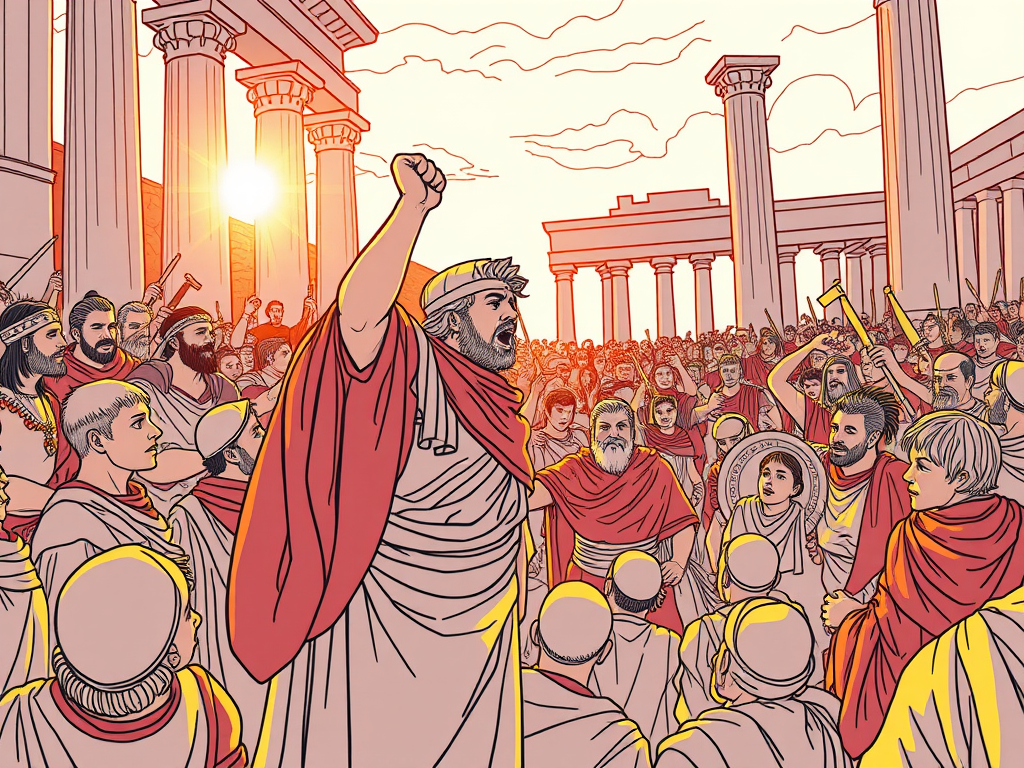
The Roman Republic (509–27 BC) experienced significant social revolutions, characterized by struggles for political equality among classes, notably the plebeians. Key events included the struggle of the orders, Gracchan reforms, the Social War, and slave revolts, which ultimately culminated in the transition to an imperial power structure under Augustus.
-
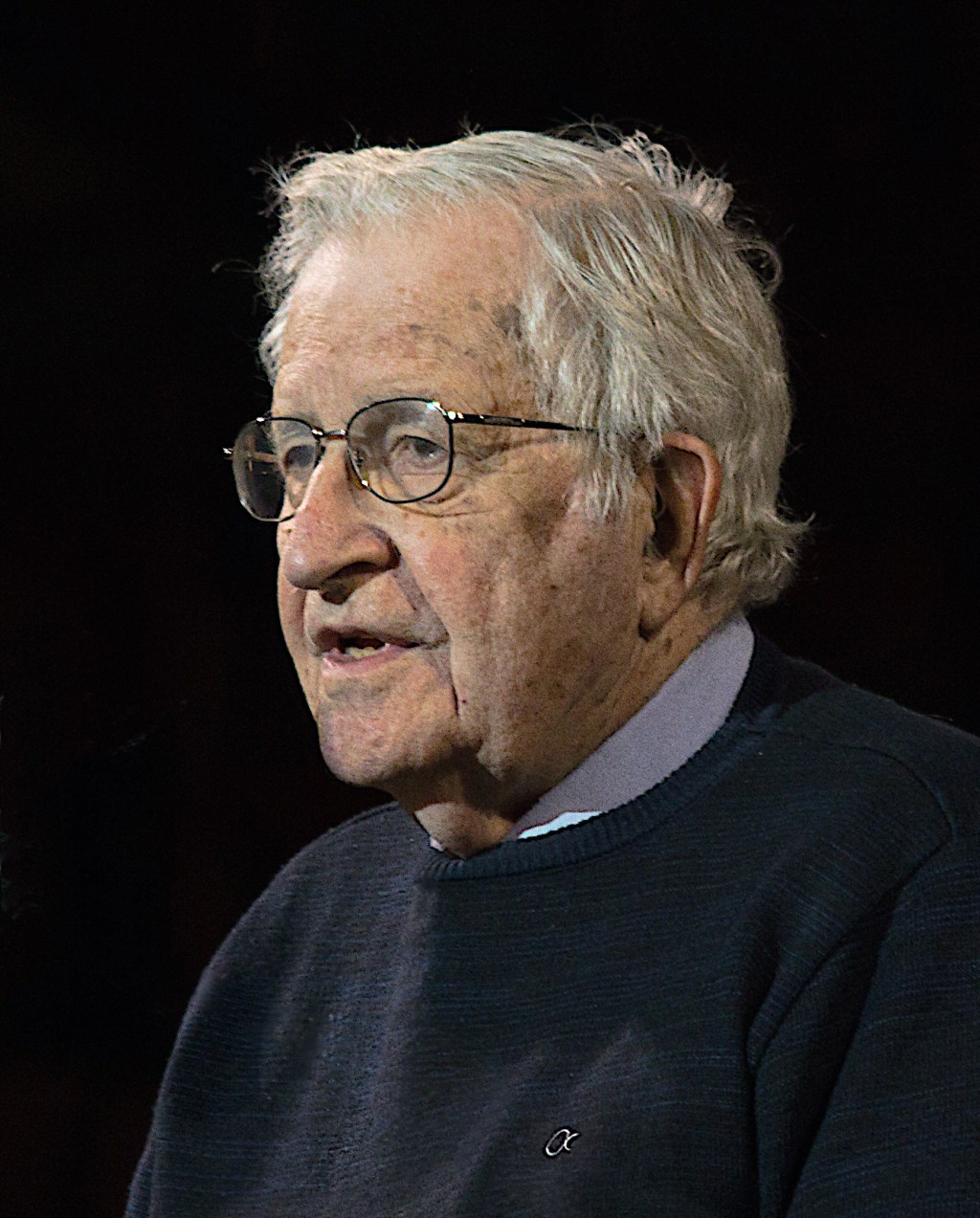
Avram Noam Chomsky, born in 1928, is a prominent linguist and political activist known for his revolutionary theories in linguistics, particularly generative grammar and universal grammar, which have significantly influenced cognitive science. He is also a staunch critic of U.S. foreign policy and corporate power, and remains an influential figure in global discourse.
-
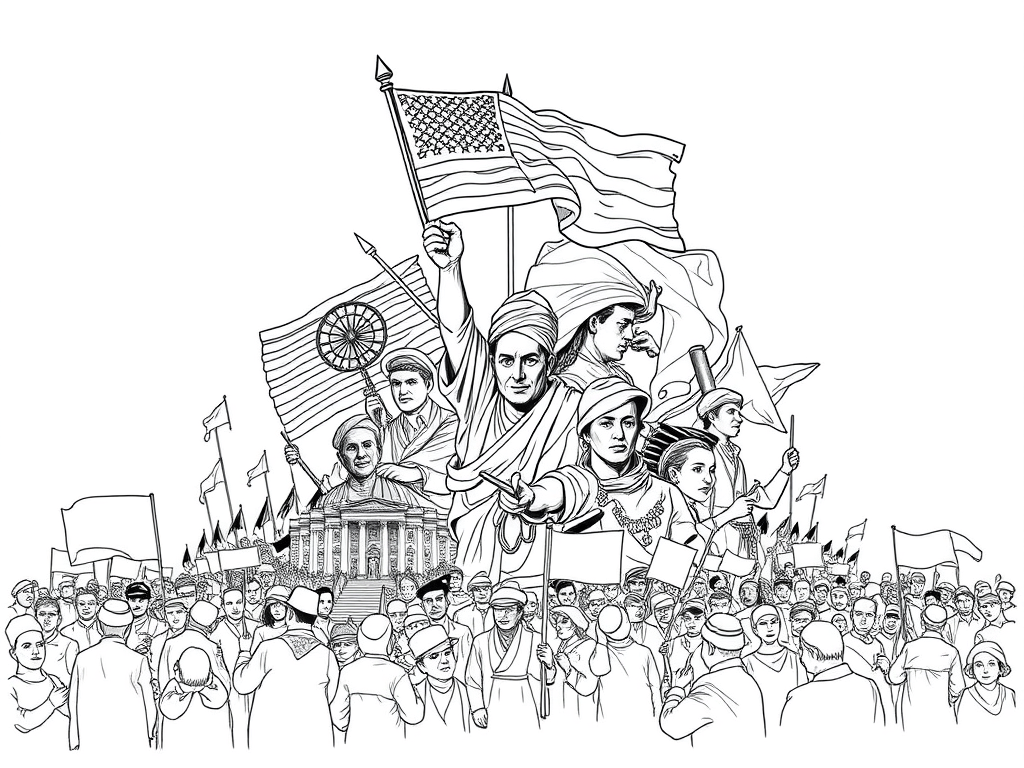
This lecture addresses the significance of social revolutions throughout history, highlighting their causes, key examples, and impacts. It defines social revolutions as rapid societal transformations driven by dissatisfaction and mass mobilization. Key examples include the English, American, French, and Russian revolutions, illustrating diverse paths and consequences across centuries.
-
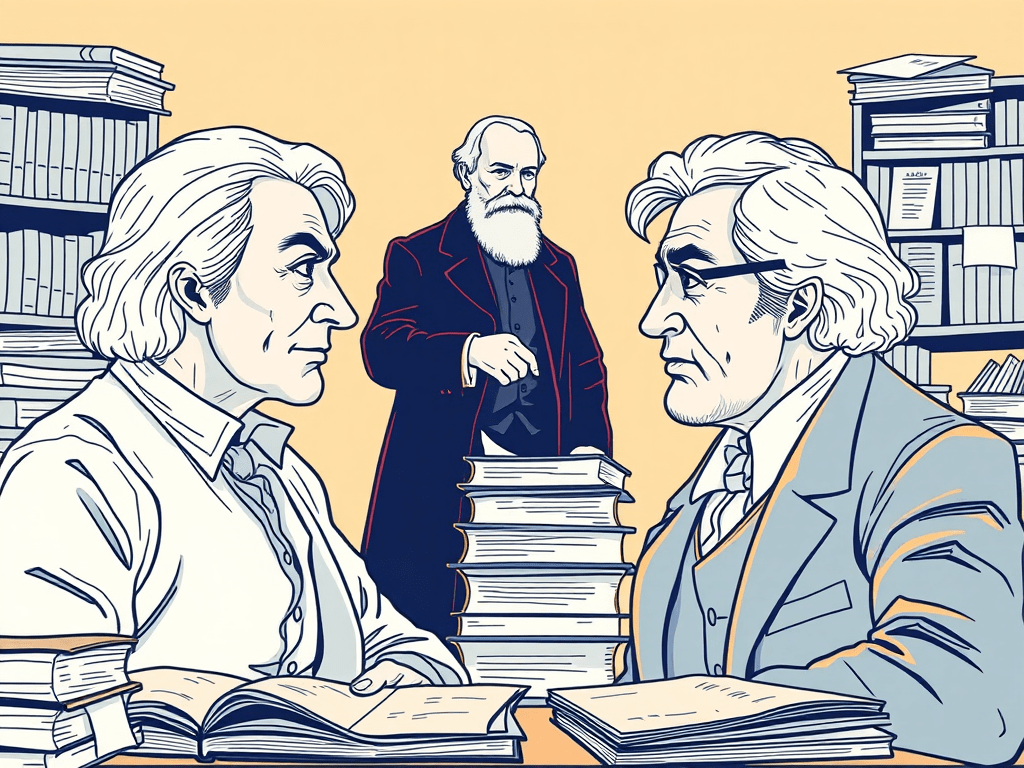
The labor theory of value, historically rooted in the works of Adam Smith and David Ricardo, was fully developed by Karl Marx. He argued that labor is the sole source of value and highlighted the exploitation inherent in capitalism through surplus value extraction. Marx’s critique remains significant amid modern economic inequalities and labor conditions.
-
Subscribe
Subscribed
Already have a WordPress.com account? Log in now.
 Letters from Tomis