-

Victor Serge (1890–1947) was a Marxist intellectual and novelist, born to exiled Russian revolutionaries. He evolved from anarchism to Bolshevism, later criticizing Stalin’s authoritarianism. Expelled from the Communist Party and the Soviet Union, he became a key anti-Stalinist figure. His notable works reflect revolutionary zeal and ethical dilemmas. Serge’s legacy endures in Marxist thought.
-

The Fourth of July, viewed through Marxist theory, symbolizes a bourgeois revolution that maintained class hierarchies and racial oppression rather than universal freedom. This critique highlights the contradictions between revolutionary rhetoric and capitalist realities, advocating for a radical reinterpretation of the holiday to connect it to ongoing struggles for collective liberation and economic justice.
-

Adolph Joffe (1883-1927) was a key figure in early Soviet history, transitioning from Menshevism to Bolshevism. He contributed significantly as a diplomat, representing Soviet interests in Germany and China, while opposing Stalin’s rising power. His commitment to revolutionary ideals ultimately led to his marginalization and suicide, highlighting the regime’s internal conflicts.
-

The digital revolution profoundly alters global work, with automation and AI reshaping industries and labor relations. Through a pro-socialist lens, the essay highlights capitalism’s potential for exploitation versus socialism’s ability to empower workers. It advocates for using digital tools to create equitable economic conditions, reducing labor while promoting social ownership and democratic governance.
-

John Maclean (1879–1923) was a pivotal figure in early 20th-century British Marxism, advocating for revolutionary socialism in Scotland. A dedicated educator and anti-war activist, his efforts in organizing and promoting Marxist theory marked a significant contribution to the working-class movement. Maclean’s legacy continues to inspire socialist thought today.
-

Caio Dezorzi’s article critiques the UN’s MINUSTAH mission in Haiti, portraying it as an imperialist intervention that continues to undermine Haiti’s sovereignty since 1804. The analysis details political crises, foreign control, and the rise of gangs from 2015 to 2025, emphasizing the need for a revolutionary movement to combat imperialist exploitation.
-
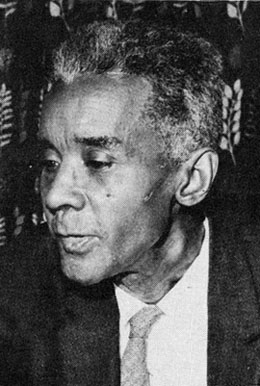
Cyril Lionel Robert James (1901–1989) was a Trinidadian Marxist historian and cultural critic, renowned for his work The Black Jacobins. Influencing post-colonial theory, he championed socialist democracy and black liberation. His contributions spanned politics, literature, and sports, establishing him as a pivotal figure in Marxist thought and anti-colonial movements.
-
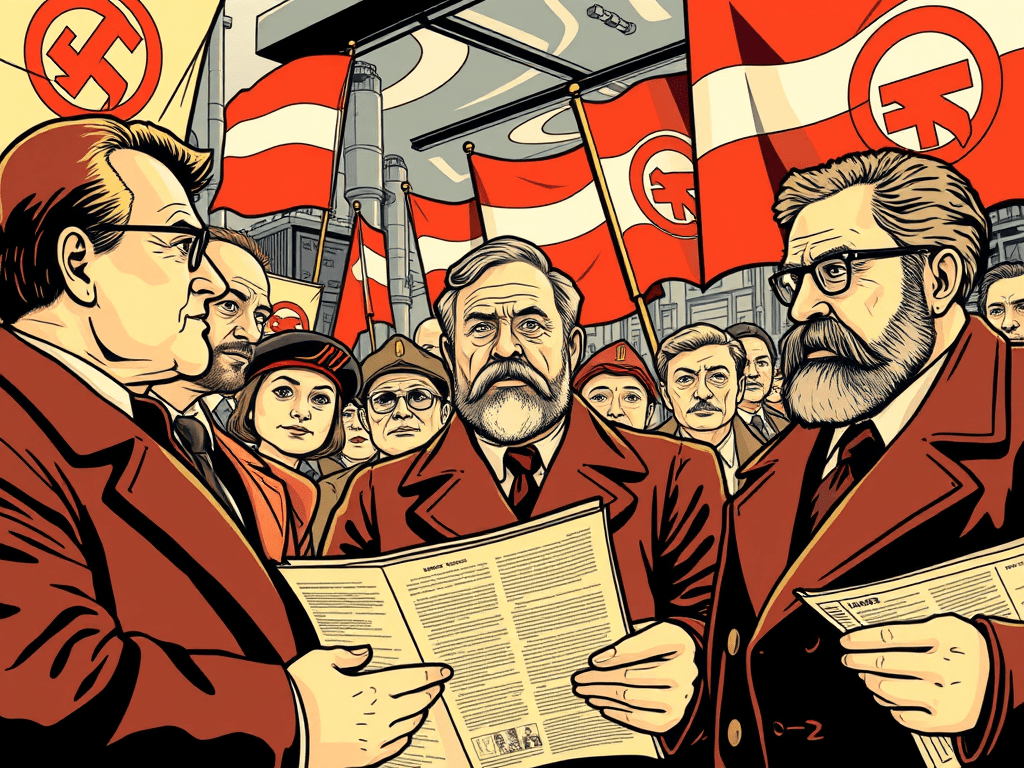
Austromarxism emerged in early 20th-century Austria, aiming to merge Marxism with nationalism and democratic principles. Key figures, such as Otto Bauer and Karl Renner, advocated for national autonomy and a gradual transition to socialism through democratic means. Despite significant theoretical contributions and the successful “Red Vienna” reforms, Austromarxism ultimately crumbled under fascism, leaving a complex…
-

John Schehr (1896–1934) was a key leader in the German Communist Party during the Weimar Republic. He played a crucial role in organizing resistance against Nazi repression after the party’s ban in 1933. Captured and executed in 1934, Schehr became a symbol of communist martyrdom and resistance to authoritarianism, honored posthumously in East Germany.
-
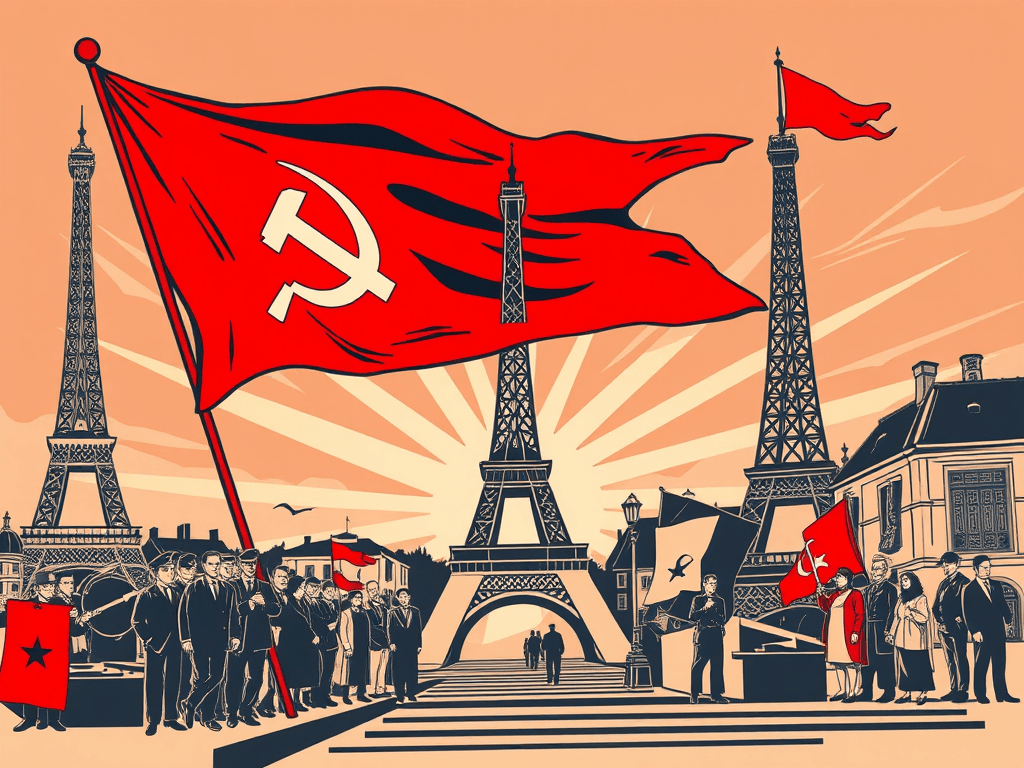
The French Communist Party (PCF), founded in 1920, emerged from a split in socialism, gaining significant influence in 20th-century France. It opposed fascism, contributed to labor rights, and played a pivotal role in the French Resistance during WWII. However, alignment with the Soviet Union and economic shifts diminished its power, but it remains active advocating…
-
Subscribe
Subscribed
Already have a WordPress.com account? Log in now.
 Letters from Tomis