Socialist Hall of Fame
-

Friedrich Engels was a key figure in developing Marxist theory, co-authoring The Communist Manifesto and collaborating with Karl Marx for four decades. His independent works, such as The Origin of the Family, contributed significantly to socialist thought, addressing class, state, and gender issues. Engels’s legacy includes his role in international socialism and dialectical materialism.
-

Victor Adler (1852–1918) was the founder and leader of the Austrian Social Democratic Workers’ Party. Initially a physician, he became involved in politics advocating universal suffrage and labor rights. His pragmatic socialism prioritized legislative reforms over revolutions. Adler’s legacy persisted through his son, Friedrich, a notable socialist leader.
-
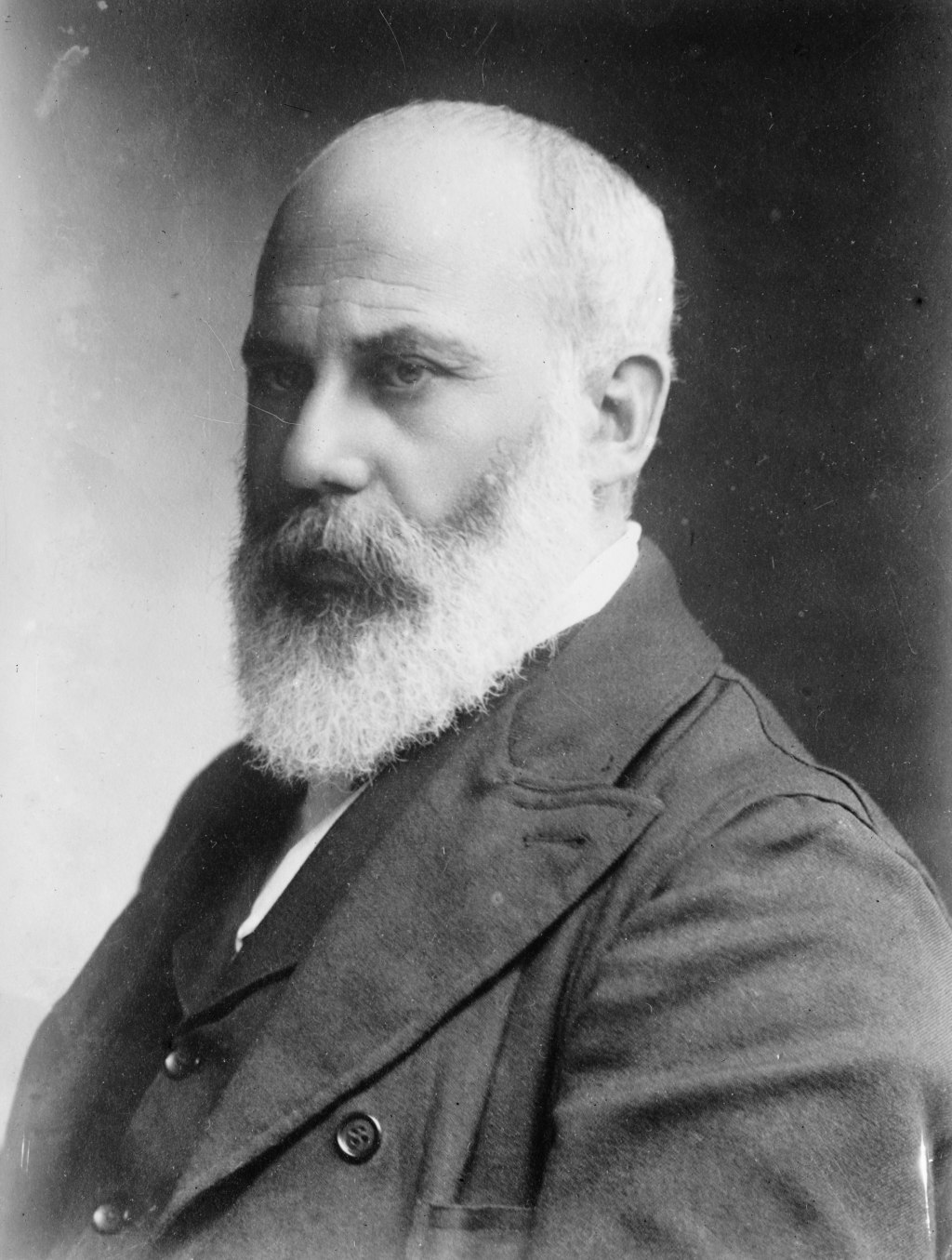
Daniel De Leon (1852–1914) was a significant American socialist theorist and labor organizer, known for developing De Leonism, which emphasized industrial unionism and political action. Educated in Europe, he contributed to socialist movements, founded the Socialist Trade and Labor Alliance, and influenced global socialist ideology. De Leon’s legacy continues to be relevant today.
-
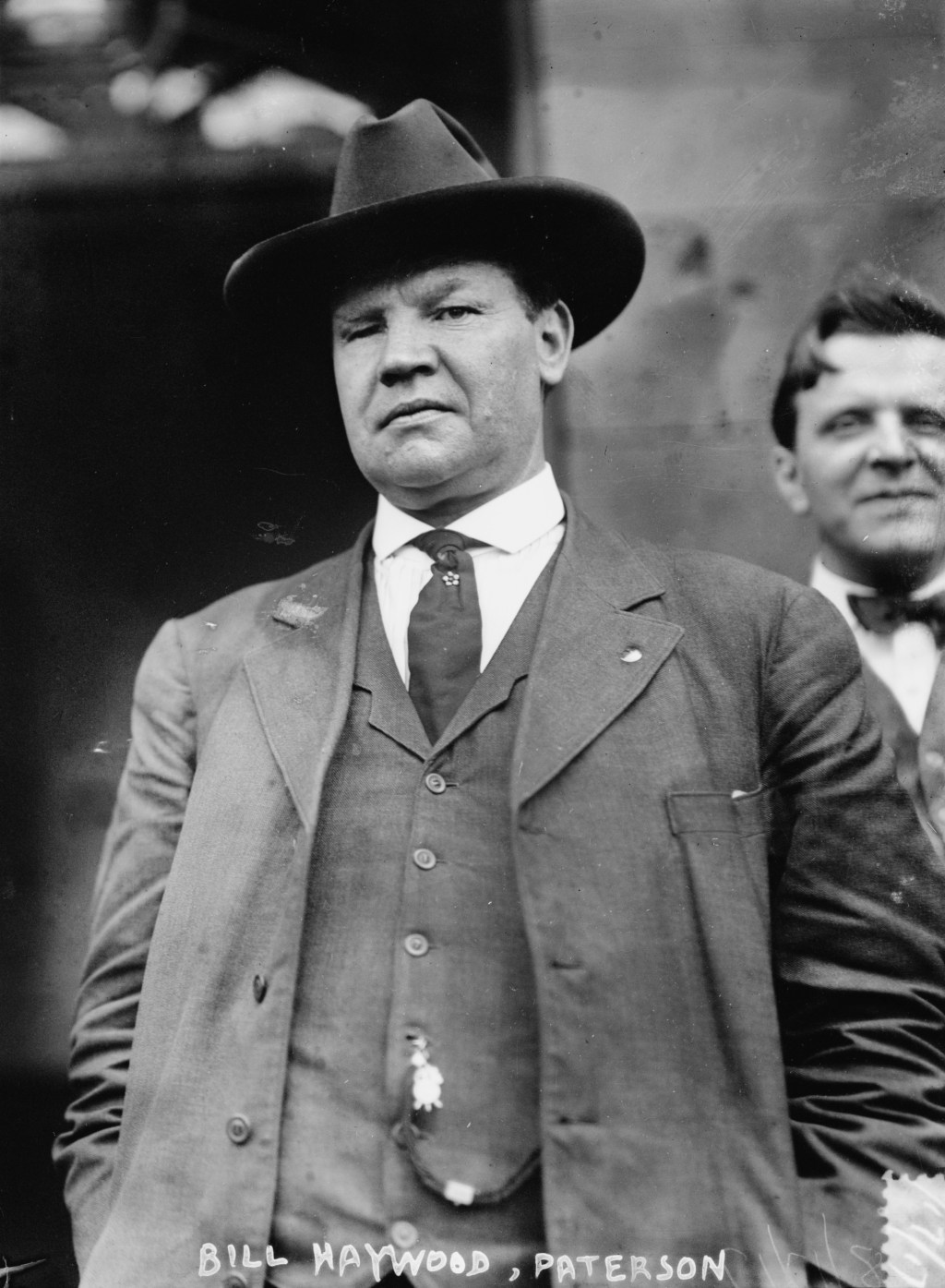
William Dudley Haywood, known as “Big Bill,” was a pivotal figure in American labor history. His advocacy for workers’ rights led to the founding of the Industrial Workers of the World (IWW). Haywood faced legal challenges due to his militant stance and eventually sought exile in Soviet Russia, where he continued to support labor movements…
-
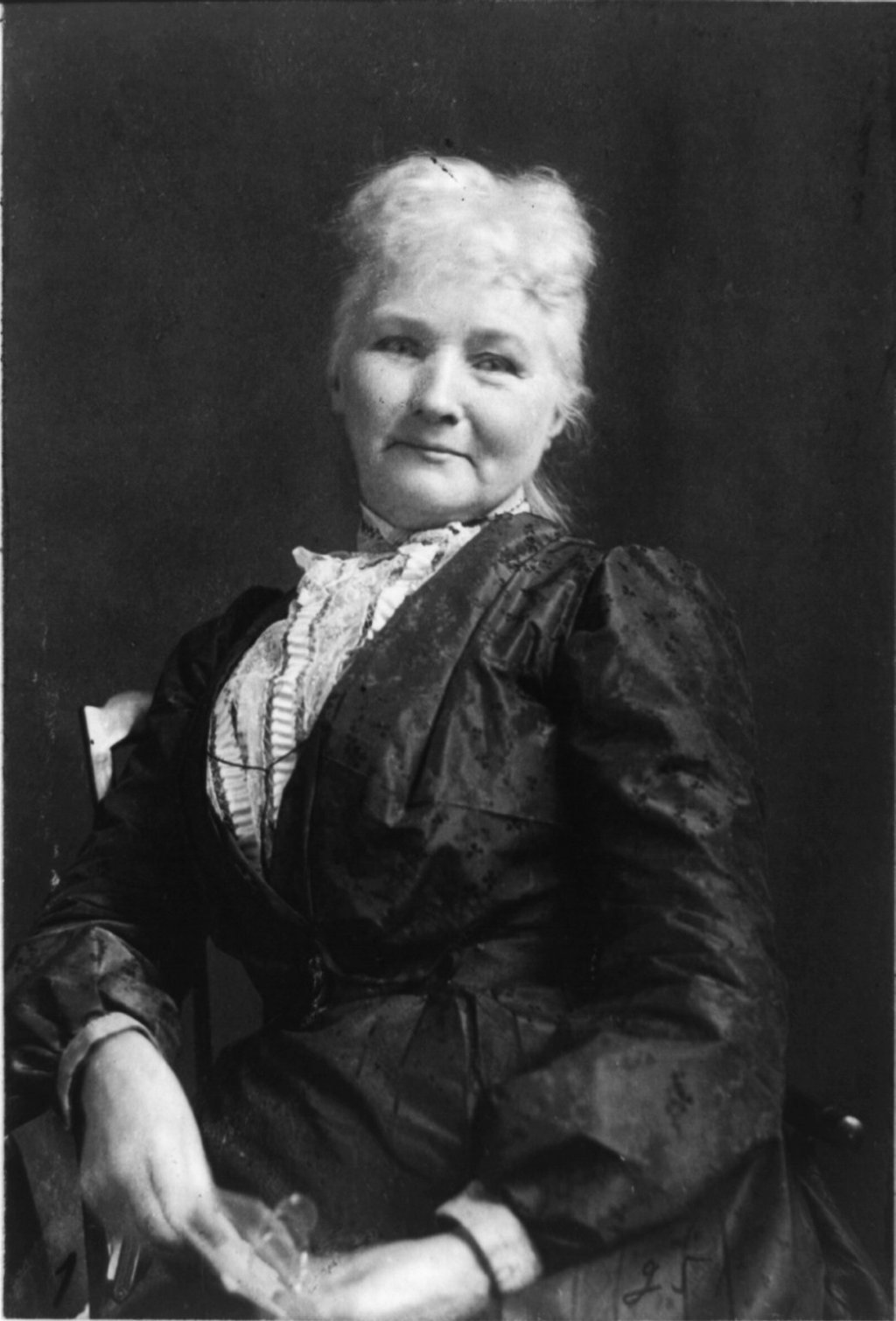
Mary Harris Jones, known as Mother Jones, was a pivotal American labor activist born in Ireland in 1837. She endured personal losses that fueled her advocacy for workers’ rights, focusing on labor struggles and child labor. Her fervent activism made her a prominent figure in labor history until her death in 1930, inspiring future movements.
-

Jacques Derrida was a prominent twentieth-century French philosopher known for his concept of “deconstruction.” Born in Algeria and educated in France, he challenged traditional philosophy by arguing that meaning is unstable. His influential works included “Of Grammatology” and “Writing and Difference,” significantly affecting multiple disciplines and postmodern thought. He passed away in 2004.
-

Imre Nagy (1896–1958) was a pivotal Hungarian communist politician during the 1956 revolution. Initially a socialist, he became Prime Minister advocating reforms and national sovereignty. Following Soviet oppression, Nagy sought asylum but was captured and executed for treason. He later became a symbol of resistance against Soviet rule and was rehabilitated posthumously in 1989.
-

Georgi Dimitrov Mihaylov (1882-1949) was a key Bulgarian communist leader known for his role with the Comintern, his defense during the Reichstag fire trial, and as Bulgaria’s first communist prime minister. He promoted anti-fascism collaboration and left a significant legacy in communist theory, particularly regarding fascism and capitalism.
-

Georg Wilhelm Friedrich Hegel was a prominent German philosopher born in 1770, known for his contributions to German Idealism and absolute idealism. His works, including Phenomenology of Spirit and Science of Logic, significantly influenced Western philosophy, shaping areas like Marxism and existentialism. Hegel’s ideas continue to impact theology, political theory, and the sciences.
-

Gilles Deleuze was a notable French philosopher (1925–1995) renowned for his work in philosophy, literary criticism, and film theory. His significant contributions included reinterpretations of historical thinkers and collaboration with Félix Guattari on texts about capitalism and schizophrenia. Deleuze’s ideas on difference and multiplicity reshaped post-structuralist philosophy.
 Letters from Tomis