Socialist Hall of Fame
-

Fred Hampton was a pivotal leader of the Black Panther Party, advocating for Black liberation and anti-capitalist solidarity. His assassination at 21 by the U.S. government highlighted the threat he posed to systemic injustice. Hampton’s legacy inspires contemporary movements, emphasizing grassroots organizing and cross-racial coalition building against oppression.
-
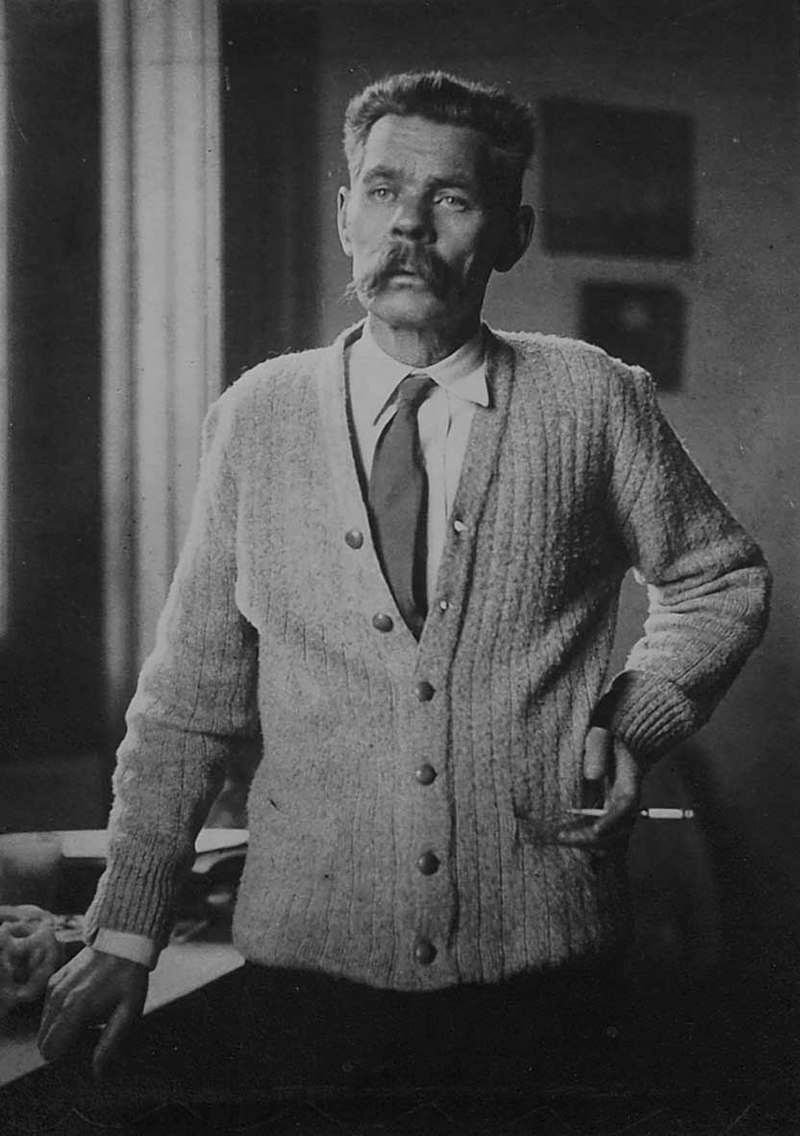
Maxim Gorky (1868–1936) was a pivotal Russian writer whose experiences of poverty shaped his literary themes focused on the working class. A supporter of the Bolshevik Revolution, he later criticized its authoritarianism, leading to self-imposed exile. His legacy endures through his works that explore revolutionary ideals and individual freedoms.
-

James Connolly (1868–1916) was a key figure in the Irish socialist movement, blending Marxism with Irish republicanism. Born into poverty, he became a labor leader and strategist. His leadership in the 1916 Easter Rising marked his martyrdom, inspiring future movements for justice and linking national liberation with social transformation.
-
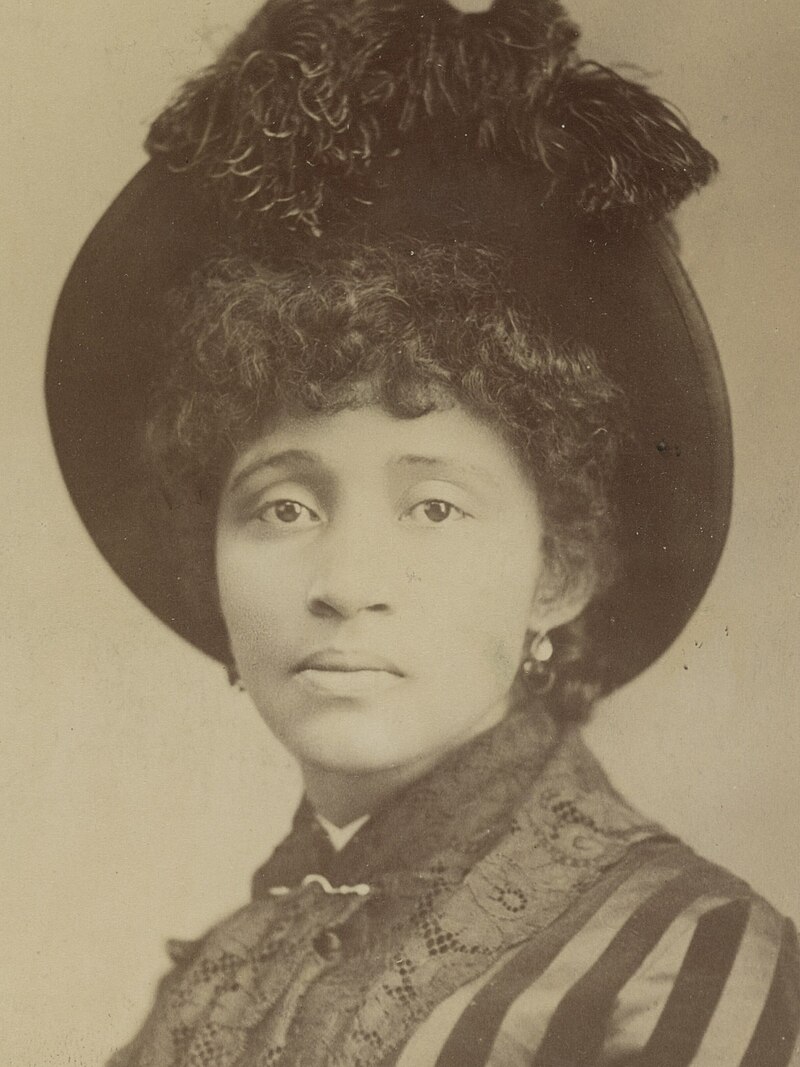
Lucy Parsons (circa 1851 – 1942) was a notable American anarchist and labor activist known for her advocacy of workers’ rights and social justice. Her life was marked by her interracial marriage, involvement in the anarchist movement, and public support for labor rights. Parsons’ legacy continues to inspire modern social justice movements.
-

Marcel Cachin (1869–1958) was a significant figure in French socialism and communism, instrumental in founding the French Communist Party. His life reflected the evolution of leftist movements in Europe post-World War I. Recognized for his commitment to internationalism and working-class struggles, Cachin’s legacy reveals both idealism and challenges within Communist politics.
-

Alexei Rykov (1881–1938) was a key Bolshevik leader and Soviet statesman instrumental in the early Soviet Union’s formation. After opposing Lenin, he later became Premier but fell out of favor with Stalin due to his support for the NEP. Arrested during the Great Purge, he was executed in 1938. He was rehabilitated posthumously in 1988.
-
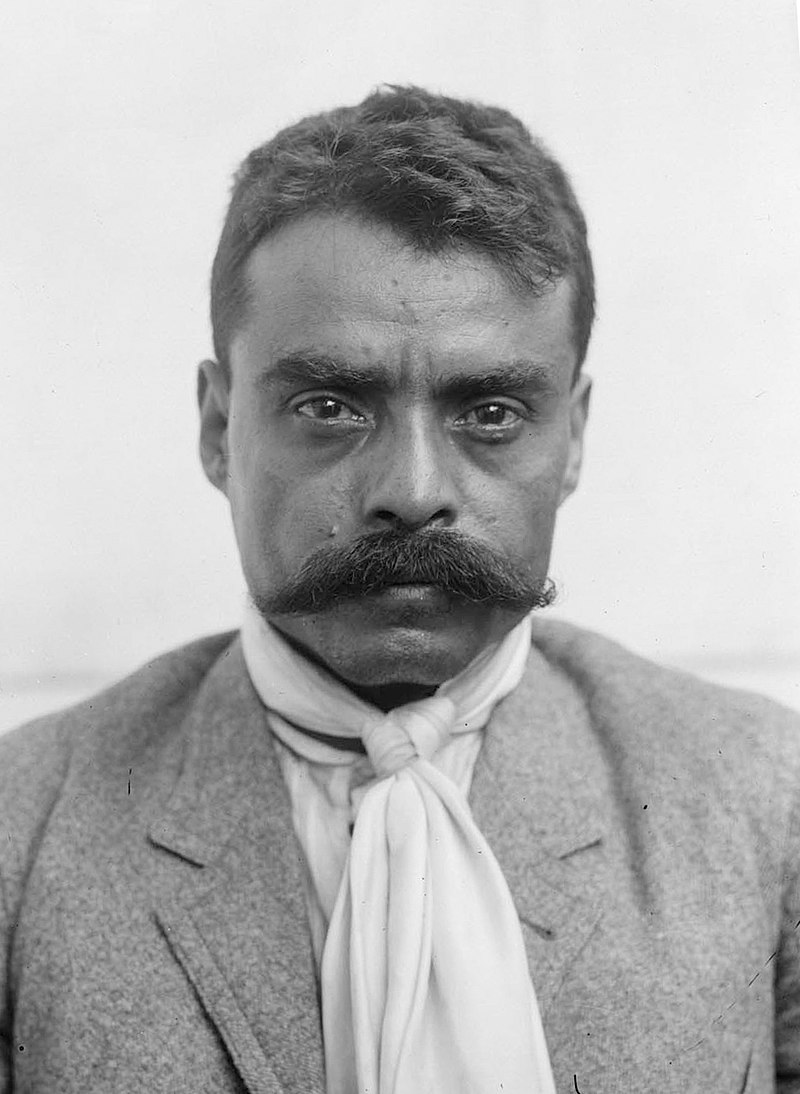
Emiliano Zapata Salazar (1879–1919) was a pivotal figure in the Mexican Revolution, advocating for agrarian reform and social justice with his rallying cry “Tierra y Libertad.” His leadership influenced peasant movements and revolutionary ideologies, leaving a powerful legacy of grassroots democracy and resistance against centralized authority that continues to resonate today.
-
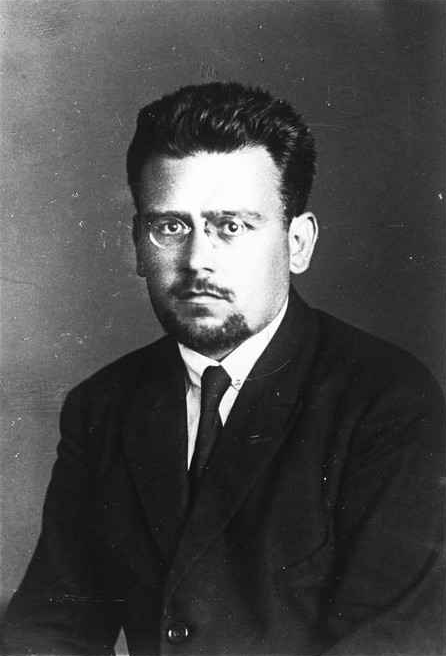
Amadeo Bordiga (1889–1970) was a pivotal, contentious figure in international communism, known for founding the Italian Communist Party. His rigorous critiques of reformism, parliamentary democracy, and Stalinism shaped left communism. Despite political marginalization, Bordiga’s theoretical contributions continue to influence contemporary Marxist discourse and debates about revolutionary practice.
-
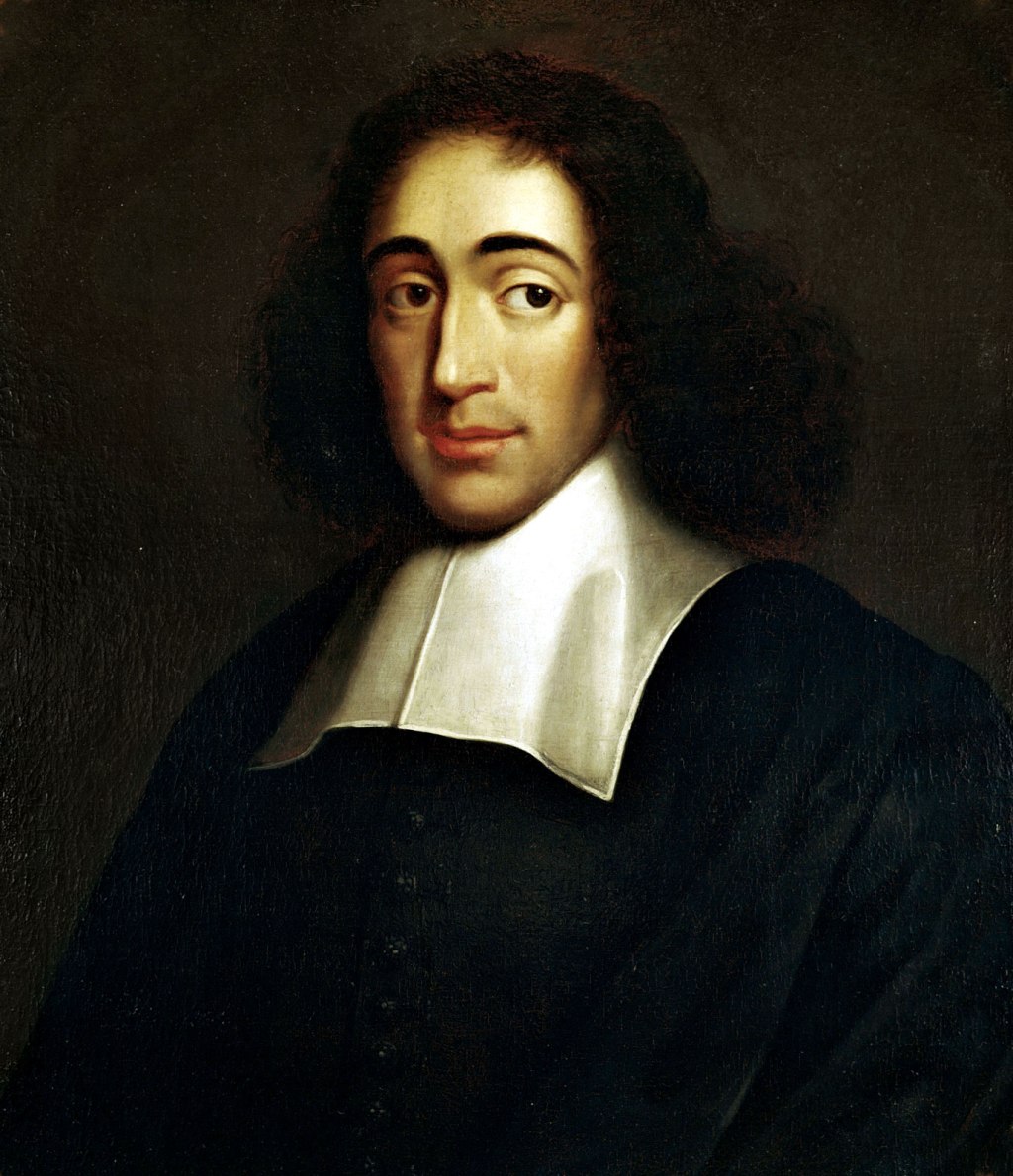
Baruch Spinoza (1632–1677) was a pivotal figure in Western philosophy, known for his radical rationalism and monistic metaphysics. Excommunicated from his Jewish community, he promoted a naturalistic view of religion, emphasizing the unity of God and Nature. Influencing modern thought, Spinoza’s ideas sparked debates on ethics, freedom, and political theory.
-

Christian Rakovsky (1873–1941) was a key Marxist revolutionary and diplomat influential in the Bolshevik movement. He advocated for socialist internationalism and played significant roles in Ukraine and as Soviet ambassador to France. Ultimately, his opposition to Stalinist policies led to his expulsion from the Communist Party and execution during the Great Purge.
 Letters from Tomis