Socialist Hall of Fame
-

Cedric James Robinson (1940–2016) was a pivotal political theorist and scholar whose work transformed the study of race, capitalism, and political thought. Notable for developing Black Marxism and the Black Radical Tradition, his contributions challenged Eurocentric narratives, emphasizing African cultural epistemologies and the intertwined nature of racial and economic oppression.
-
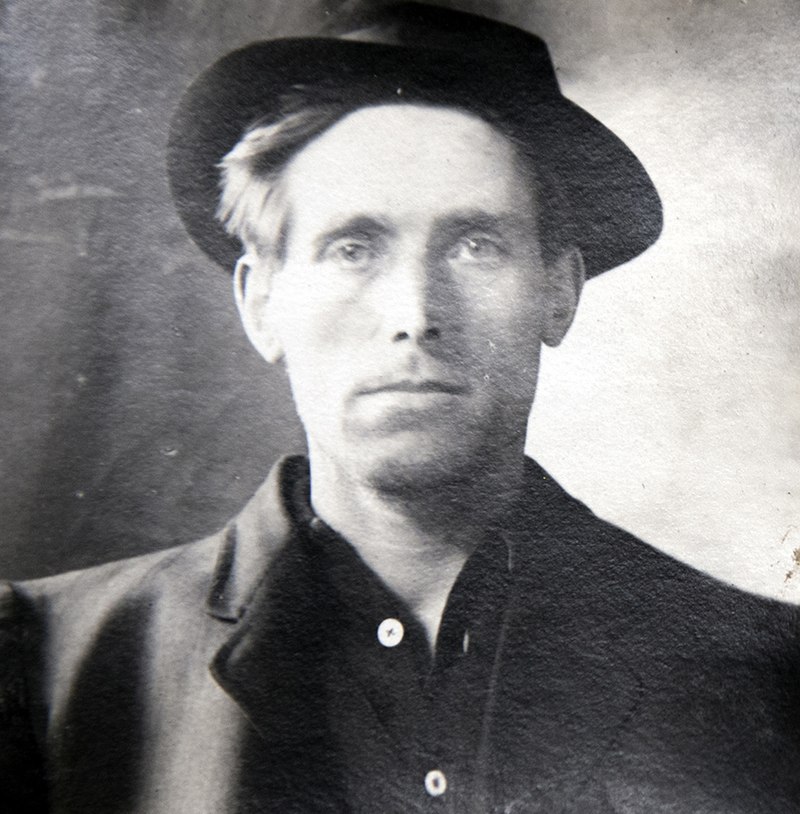
Joe Hill, a Swedish-American labor activist and songwriter, was a key figure in the Industrial Workers of the World (IWW) and became a martyr for labor rights. Arrested in 1914 for murder, his conviction sparked wide protests. Executed in 1915, his songs and legacy inspire ongoing labor activism and cultural expression.
-

Howard Zinn, born in 1922 to immigrant parents, became a prominent historian and activist after experiencing poverty and injustice. He taught at Spelman College and Boston University, focusing on civil rights and antiwar movements. His influential book, A People’s History of the United States, reshaped historical perspectives, emphasizing marginalized voices. Zinn’s legacy endures through ongoing…
-

Frida Kahlo (1907–1954) was a prominent Mexican artist known for her self-portraits that explored identity, gender, and class struggle through a socialist lens. Influenced by her tumultuous life experiences, marriage to Diego Rivera, and communist activism, her politically charged works critique capitalism and imperialism, solidifying her legacy as a cultural icon.
-

Michael Parenti is a prominent American Marxist scholar whose extensive work critiques capitalism, imperialism, and corporate media. His career reflects a commitment to accessible radical education, influenced by his working-class roots. Despite marginalization in academia, Parenti’s writings have significantly shaped anti-capitalist movements and continue to resonate with contemporary socialist activism.
-

James Patrick Cannon (1890–1974) was a key figure in American socialism and Trotskyism. He co-founded the Communist Labor Party and later the Socialist Workers Party (SWP), advocating for revolutionary organizing and anti-Stalinism. His legacy, including influential writings and prison correspondence, significantly shaped the American left’s strategies and understanding.
-

Josip Broz Tito (1892–1980) was a pivotal figure in 20th-century socialism, renowned for leading Partisan resistance during WWII and founding socialist Yugoslavia. His legacy includes promoting workers’ self-management, advocating cultural pluralism, and establishing the Non-Aligned Movement, embodying a non-dogmatic approach to socialism that emphasized independence and international solidarity.
-
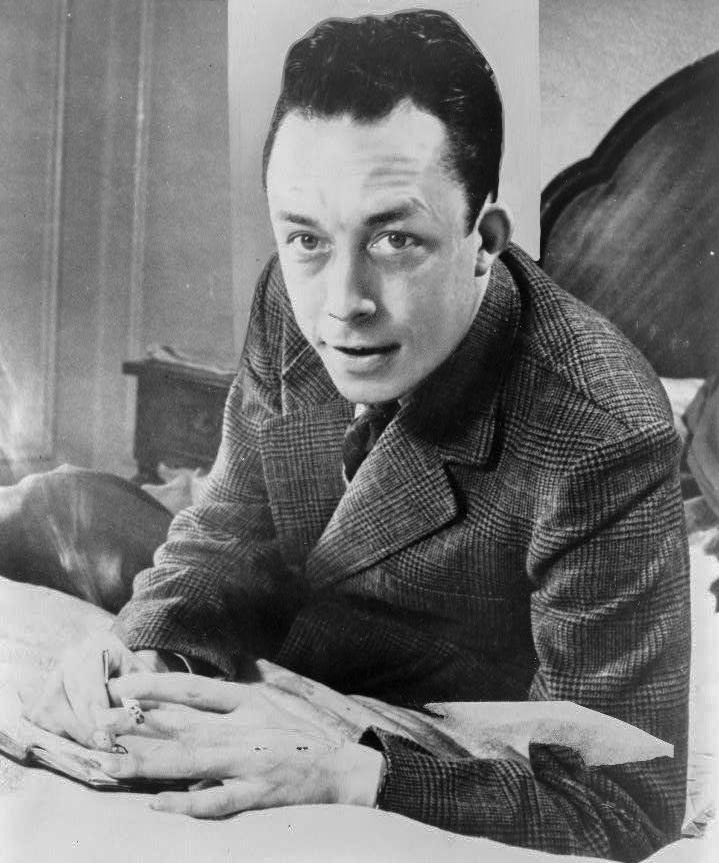
Albert Camus was born in Algeria in 1913 and faced poverty after his father’s death in WWI. He excelled in academics and became involved in politics and theater in the 1930s. Key works like “The Stranger” and “The Myth of Sisyphus” reflect his absurdist philosophy. A Nobel laureate, he remains influential for his ethical stance…
-

Frederick Douglass, born into slavery in Maryland, escaped in 1838 and became a prominent abolitionist. He authored influential autobiographies, advocated for women’s rights, and supported Reconstruction efforts. Recognized for his eloquent speeches and writings, Douglass’s legacy endures in civil rights movements, emphasizing racial, gender, and economic justice. He died in 1895.
-

César Chávez (1927–1993), co-founder of the United Farm Workers (UFW), revolutionized labor and civil rights for migrant farmworkers in America. His early experiences with poverty and discrimination fueled his activism. Chávez’s nonviolent methods, influenced by notable leaders, emphasized collective power, social justice, and dignity, leaving a lasting legacy on workers’ rights.
 Letters from Tomis