Socialist Hall of Fame
-

Hosea Hudson (1898–1988) was a significant African American Communist leader and labor activist in the mid-20th century. His life highlights the intersection of race, class, and political radicalism. Despite facing repression, he organized Black workers and contributed to labor movements, leaving a legacy that connects Black struggle to broader socialist politics.
-

My Socialist Hall of Fame During this chaotic era of vile rhetoric and manipulative tactics from our so-called bourgeois leaders, I am invigorated by the opportunity to reflect on Socialists, Revolutionaries, Philosophers, Guerrilla Leaders, Partisans, and Critical Theory titans, champions, and martyrs who paved the way for us—my own audacious “Socialism’s Hall of Fame.” These…
-

Upton Sinclair (1878–1968) was a prominent American novelist and social activist known for his work, particularly The Jungle, which exposed industrial capitalism’s social injustices. His literary career, marked by nearly 100 books, demonstrated his commitment to socialism and social reform, profoundly influencing American public opinion on labor and class issues during the early 20th century.
-

My Socialist Hall of Fame During this chaotic era of vile rhetoric and manipulative tactics from our so-called bourgeois leaders, I am invigorated by the opportunity to reflect on Socialists, Revolutionaries, Philosophers, Guerrilla Leaders, Partisans, and Critical Theory titans, champions, and martyrs who paved the way for us—my own audacious “Socialism’s Hall of Fame.” These…
-

Pierre-Joseph Proudhon, a foundational figure in radical thought, was the first self-identified anarchist, known for his critique of capitalism and advocacy of mutualism. His works challenged traditional notions of property and authority, influencing 19th-century socialism and inspiring later anarchists. Proudhon’s legacy continues to provoke discussion on liberty and justice.
-
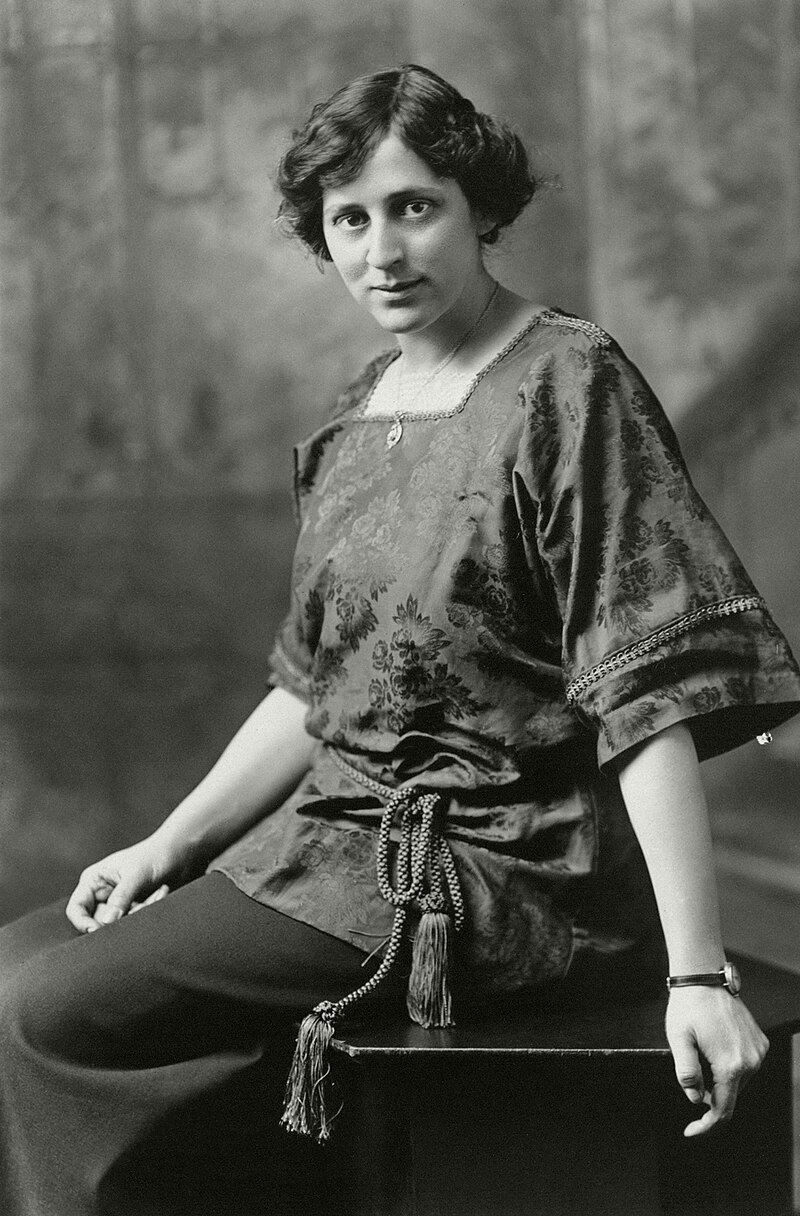
Crystal Eastman (1881–1928) was a pioneering radical intellectual, lawyer, journalist, and co-founder of the ACLU. Her advocacy combined socialism and feminism, focusing on workers’ rights, anti-militarism, and civil liberties. Despite her significant contributions, Eastman’s remarkable impact on feminist and socialist movements remains widely unrecognized today.
-

My Socialist Hall of Fame During this chaotic era of vile rhetoric and manipulative tactics from our so-called bourgeois leaders, I am invigorated by the opportunity to reflect on Socialists, Revolutionaries, Philosophers, Guerrilla Leaders, Partisans, and Critical Theory titans, champions, and martyrs who paved the way for us—my own audacious “Socialism’s Hall of Fame.” These…
-

Ruth Fischer was a pivotal figure in the early European communist movement and a leader of the German Communist Party during the Weimar Republic. Her contributions reflected the tensions within revolutionary Marxism. After her expulsion from the KPD, she became an anti-Stalinist critic, publishing significant works. Fischer’s legacy illustrates the complexities of 20th-century revolutionary politics.
-

Alfred Rosmer (1877–1964) was a key yet overlooked figure in early 20th-century socialist movements. A French trade unionist and anti-war activist, he evolved from anarcho-syndicalism to Bolshevism and Trotskyism. His legacy includes advocating for workers’ internationalism, historical scholarship, and principled opposition to Stalinism, reflecting essential revolutionary struggles.
-

Benjamin Jefferson Davis Jr. (1903–1964) was an influential African American lawyer and Communist activist who served on the New York City Council. His legal work challenged Jim Crow laws, and he became prominent in leftist politics. Convicted under the Smith Act, Davis continued advocating for civil rights until his death, leaving a significant legacy.
 Letters from Tomis