Socialist Hall of Fame
-

Jacques Lacan, a French psychoanalyst, merged Freudian psychoanalysis with structural and post-structural ideas. His key concepts include the Imaginary, the Symbolic, and the Real, as well as the mirror stage and objet petit a. Lacan’s influence spans psychoanalysis, philosophy, and critical theory, continuing to inspire scholars and clinicians today.
-
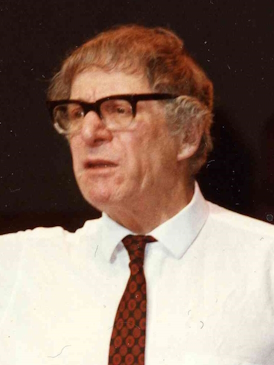
Ted Grant (1913–2006) was a prominent British Marxist and Trotskyist theorist, known for his activism in the UK labor movement. He advocated for entryism within the Labour Party and founded the Militant Tendency, influencing local councils. Expelled in 1992, he established Socialist Appeal and continued to promote Marxist ideas until his death.
-
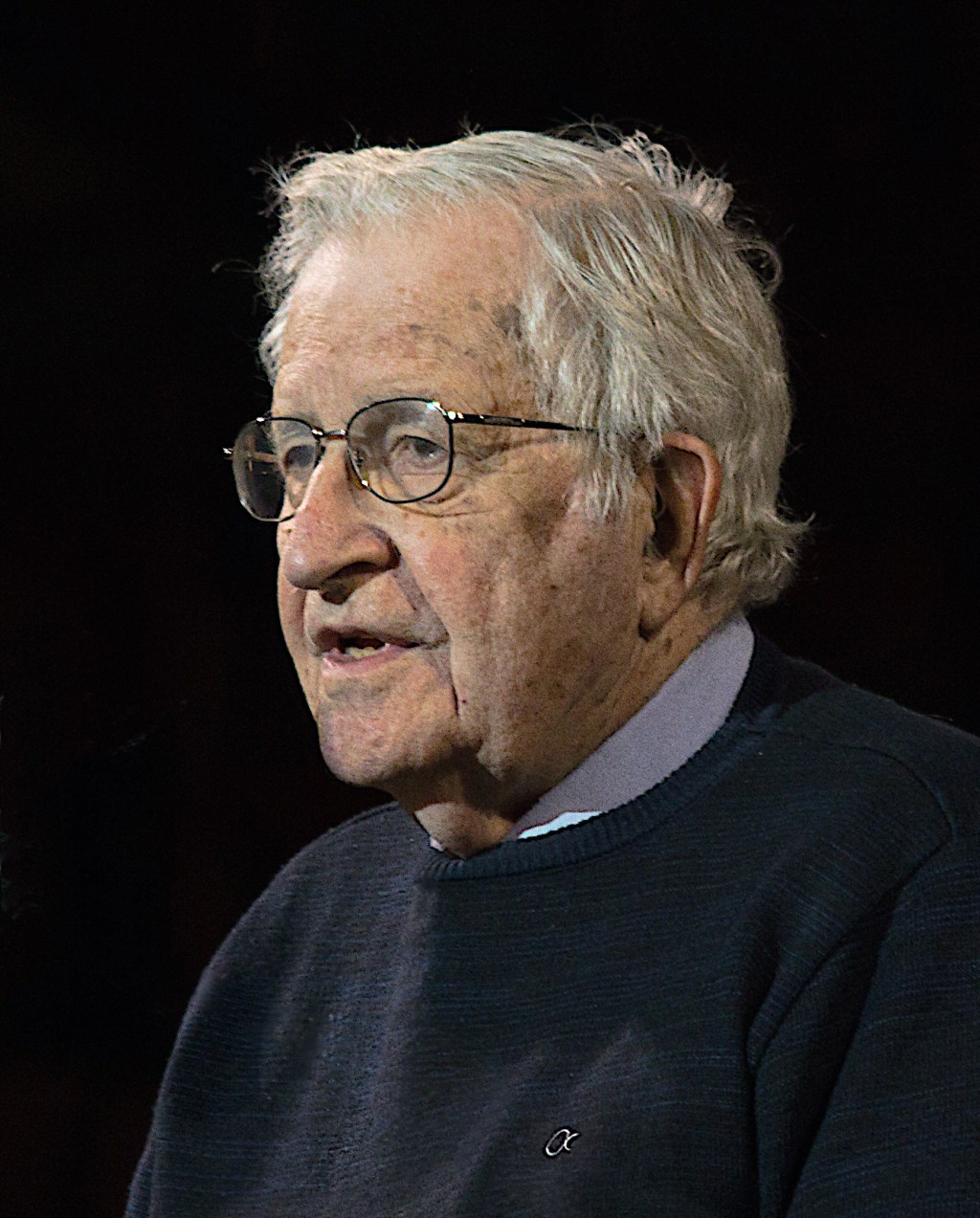
Avram Noam Chomsky, born in 1928, is a prominent linguist and political activist known for his revolutionary theories in linguistics, particularly generative grammar and universal grammar, which have significantly influenced cognitive science. He is also a staunch critic of U.S. foreign policy and corporate power, and remains an influential figure in global discourse.
-

Alan Woods, a British Marxist theorist born in 1944 in Wales, engaged in socialist politics from a young age. After studying Russian, he participated in Spain’s anti-Franco movement and co-founded the International Marxist Tendency in 1992. An advocate for the Bolivarian Revolution, he has published extensively on Marxism and related fields.
-
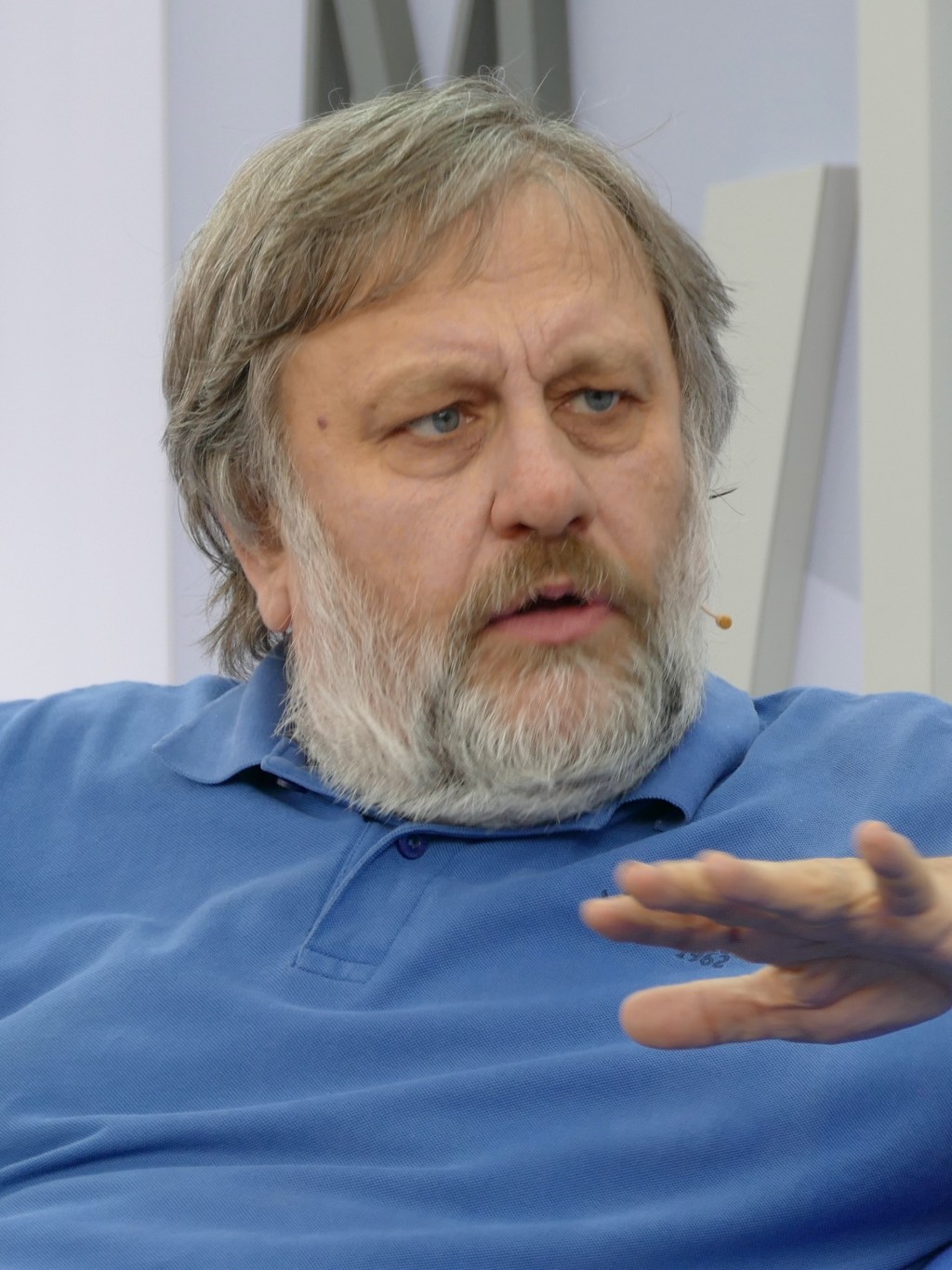
Slavoj Žižek, born in 1949, is a Slovenian philosopher and cultural critic known for his analyses of culture, politics, and psychoanalysis, merging Marxism with Lacanian theory. His works critique ideology and capitalism, with significant contributions to critical theory and political philosophy. He remains influential in academia and public discourse.
-
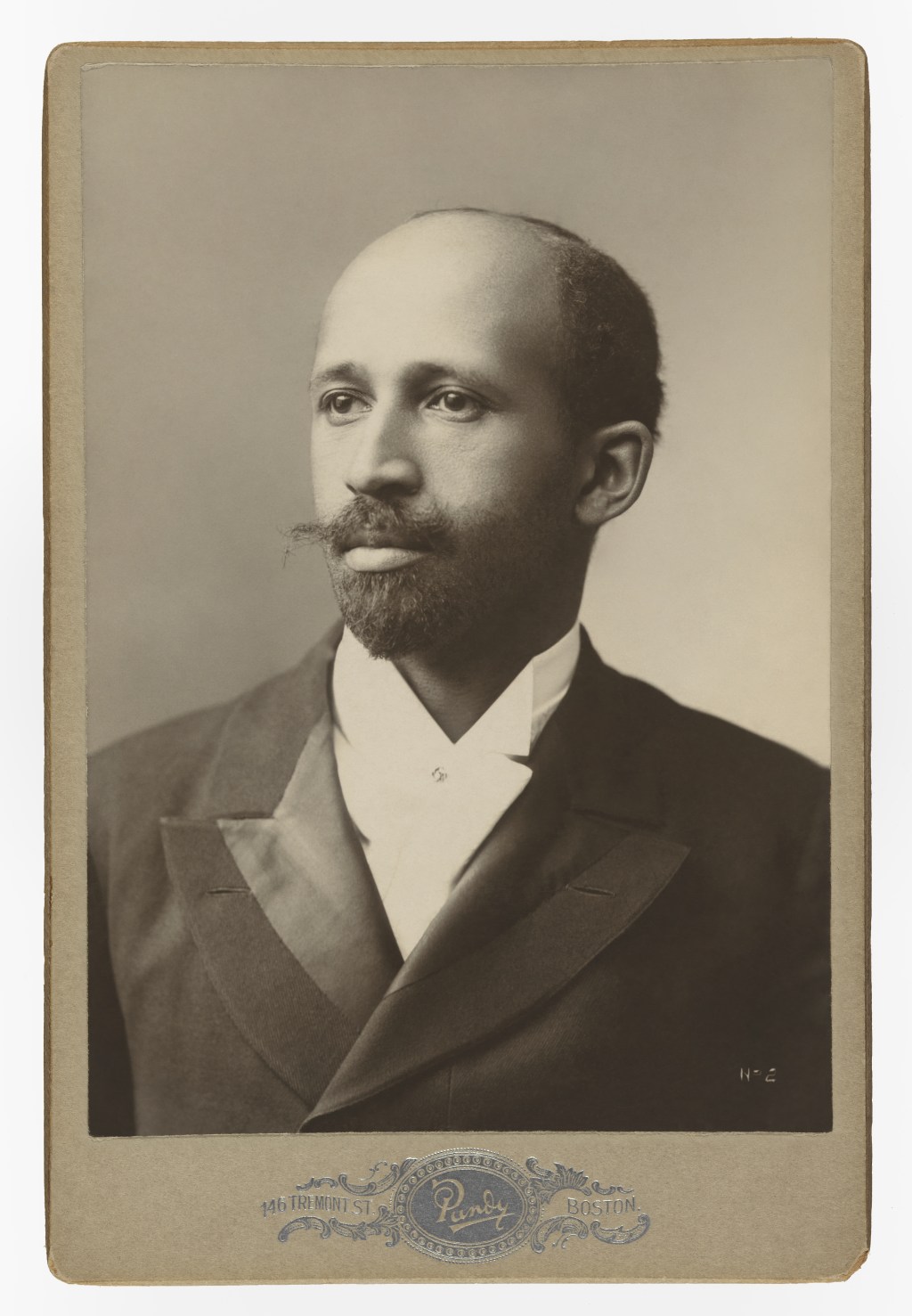
William Edward Burghardt Du Bois (1868-1963) was a prominent African American sociologist and activist. Educated at Fisk University and Harvard, he made significant contributions to historical and social scholarship, including the concept of “double consciousness.” A co-founder of the NAACP, he promoted civil rights and Pan-Africanism, later emigrating to Ghana.
-

Theodor W. Adorno was a significant German philosopher and critical theorist associated with the Frankfurt School. His work, including “Dialectic of Enlightenment,” critiques modern rationality and mass culture’s role in promoting consumerism. Exiled during the Nazi regime, he continued to influence sociology and aesthetics, leaving a lasting intellectual legacy after his death in 1969.
-

Richard D. Wolff, born in 1942, is a leading American economist known for his Marxist perspectives on economic inequality and capitalism critiques. An advocate for worker cooperatives and founder of Democracy at Work, he teaches at The New School and hosts Economic Update, addressing economic topics through a progressive lens. His influential writings emphasize democracy…
-
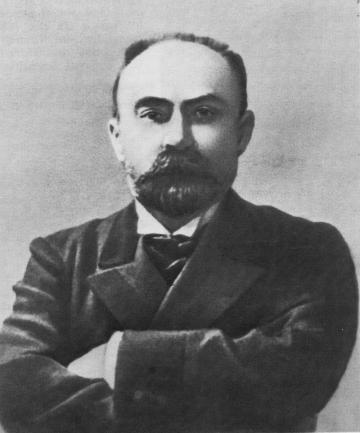
Georgi Plekhanov, born into a minor noble family in Russia, became a pivotal figure in the revolutionary movement, known as the “father of Russian Marxism.” As a writer and philosopher, he laid the theoretical groundwork for socialism in Russia, opposing populism and promoting proletarian revolution. He died in 1918, critiquing Bolshevik tactics.
-

Heinz Kapelle (1913-1941) was a German communist and anti-fascist activist symbolizing resistance against the Nazi regime. Born in a working-class family, his activism grew amidst the rise of fascism. Arrested for high treason, he was executed for his unwavering commitment to his ideals. Kapelle’s legacy inspires ongoing struggles for social justice.
 Letters from Tomis