reflections
-
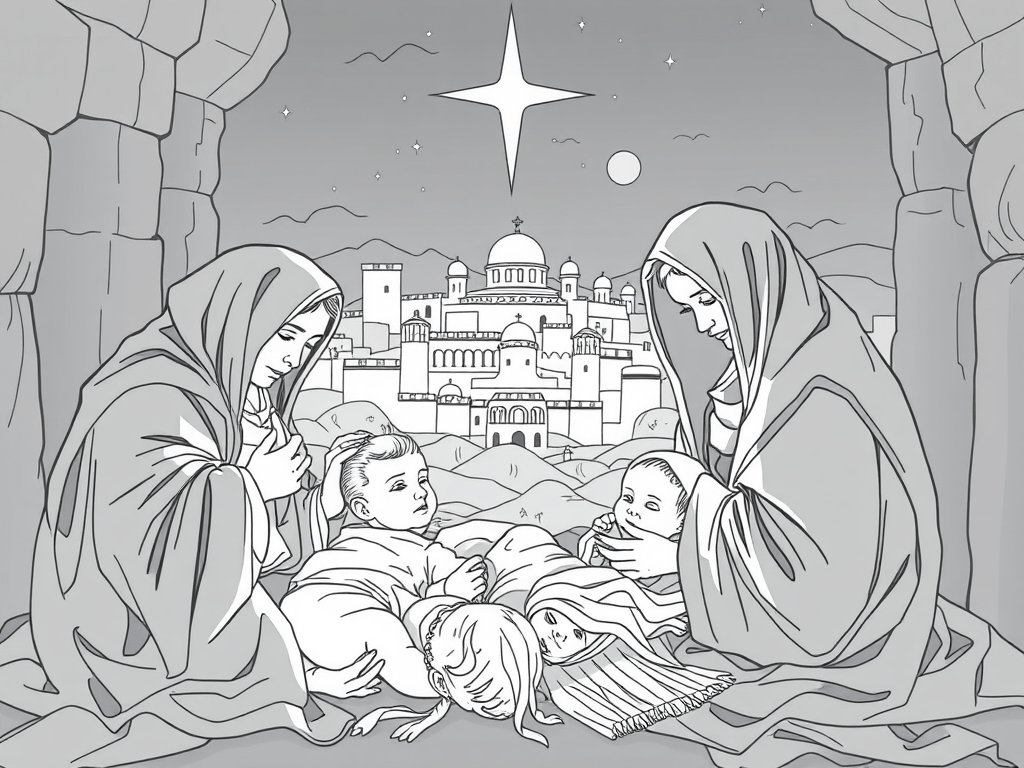
The Feast of the Holy Innocents, observed on December 28th, commemorates the alleged massacre of infants by King Herod in Bethlehem. While presented as a martyrdom narrative in Christianity, historical evidence of such an event is lacking. This feast reflects a troubling tendency to glorify suffering and trivialize human pain in Christian thought.
-

Boxing Day, the day after Christmas, symbolizes both charitable giving and consumerism, highlighting the contradictions of human nature. Despite its roots in generosity, it often devolves into a pursuit of material goods. This duality reflects our capacity for empathy and self-interest, making Boxing Day a day of complex significance and choices.
-

Wishing friends and family a Merry Christmas and a Happy Hanukkah! May this joyful season bring warmth, love, and beautiful memories. Whether lighting the menorah or decorating the tree, may peace and blessings fill your days. Here’s to kindness, hope, and a bright New Year ahead!
-

Christmas has evolved from its religious roots into a secular celebration, characterized by commercialism and human connection. While it emphasizes joy and generosity, it also reflects societal contradictions, highlighting issues like poverty. Ultimately, the secular Christmas champions shared humanity, fostering inclusivity and resilience, making it a holiday that transcends traditional beliefs.
-

G.W.F. Hegel is a pivotal figure in philosophy, known for developing the dialectical method that emphasizes the dynamic interplay of contradictions as engines of progress. His ideas on history as a rational process and freedom tied to community shape modern thought. Hegel’s legacy influences various fields, demanding engagement with complexities rather than simplistic resolutions.
-

The content explores the philosophical concept of being in two places simultaneously through the lens of dialectical materialism. It argues this idea reflects humanity’s contradictions rather than a supernatural phenomenon. By examining labor, technology, and the nature of time, it emphasizes that existence is a dynamic interplay rather than fixed states, challenging metaphysical speculation.
-

The text explores how accidents shape history, challenging the notion that monumental events are solely the result of deliberate actions or ideologies. It argues that small, chance occurrences often alter the course of nations, emphasizing that history is not linear but a complex interplay of chaos and contingency, making our choices significant.
-
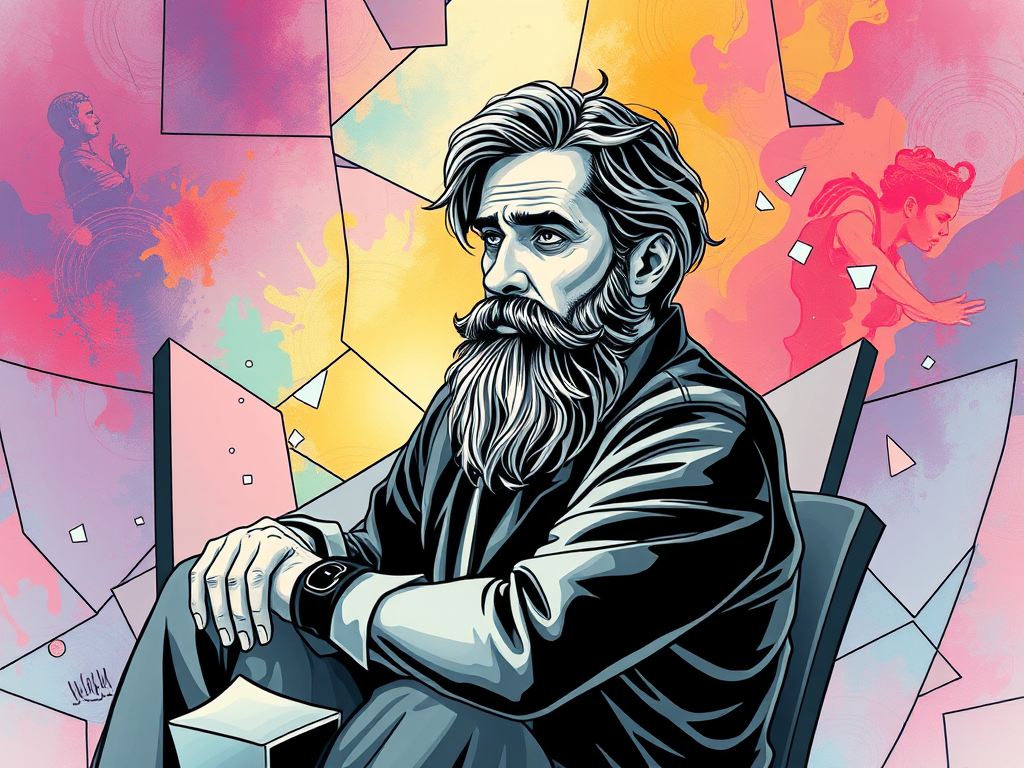
The author reflects on the complex nature of self-identity, expressing uncertainty about who they truly are. They discuss how identity is shaped by experiences, relationships, and what they reject, emphasizing the importance of curiosity and growth. Ultimately, they see themselves as a work in progress, continually evolving and seeking meaning.
-

The belief that history repeats itself oversimplifies the complexities of human experience. While patterns exist, history should be viewed as a spiral rather than a circle, shaped by human choices. Learning from past mistakes allows for progress and change, empowering humanity to carve new paths instead of reliving old errors.
-
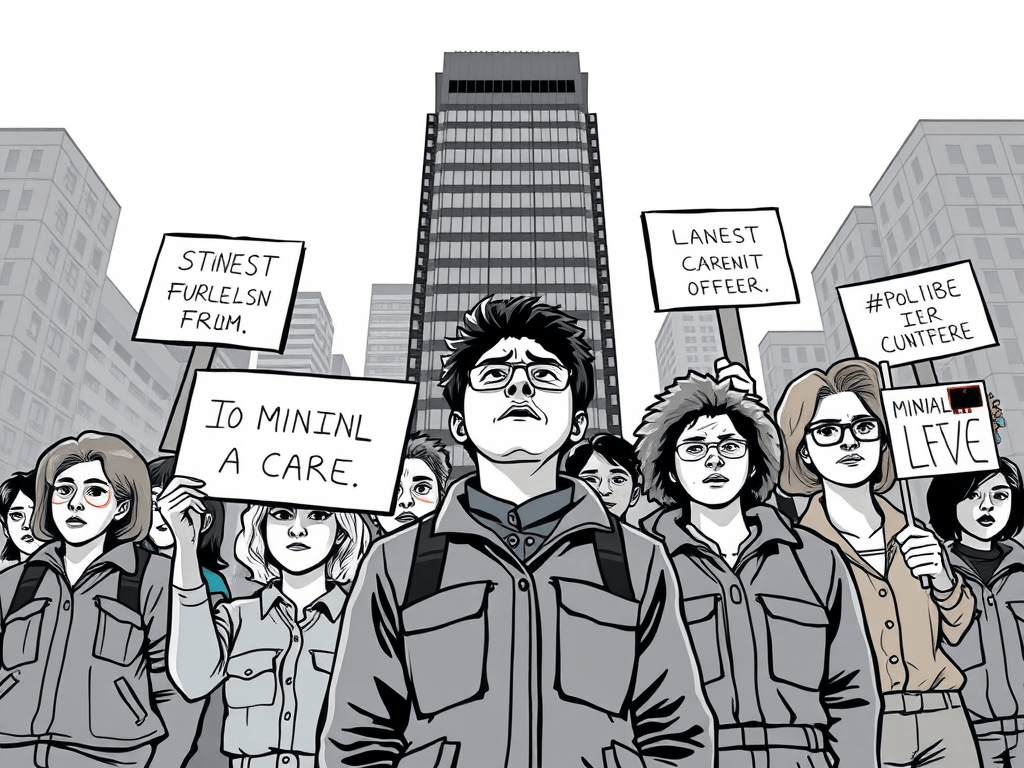
The human spirit endures injustices but may erupt against minor affronts that symbolize deeper frustrations. Workplace indignities often catalyze rebellion, revealing collective strength. Small incidents crystallize everyday humiliations, igniting strikes as workers reclaim their dignity. These actions affirm worth and humanity, highlighting a fundamental truth about resistance against oppression.
 Letters from Tomis