reflections
-

Palmiro Togliatti, born in 1893 in Italy, co-founded the Italian Communist Party in 1921 and became its leader while in exile after Mussolini’s rise. Returning in 1944, he influenced post-war Italy and promoted a democratic socialism approach. He passed away in 1964, leaving a significant political legacy in Europe.
-
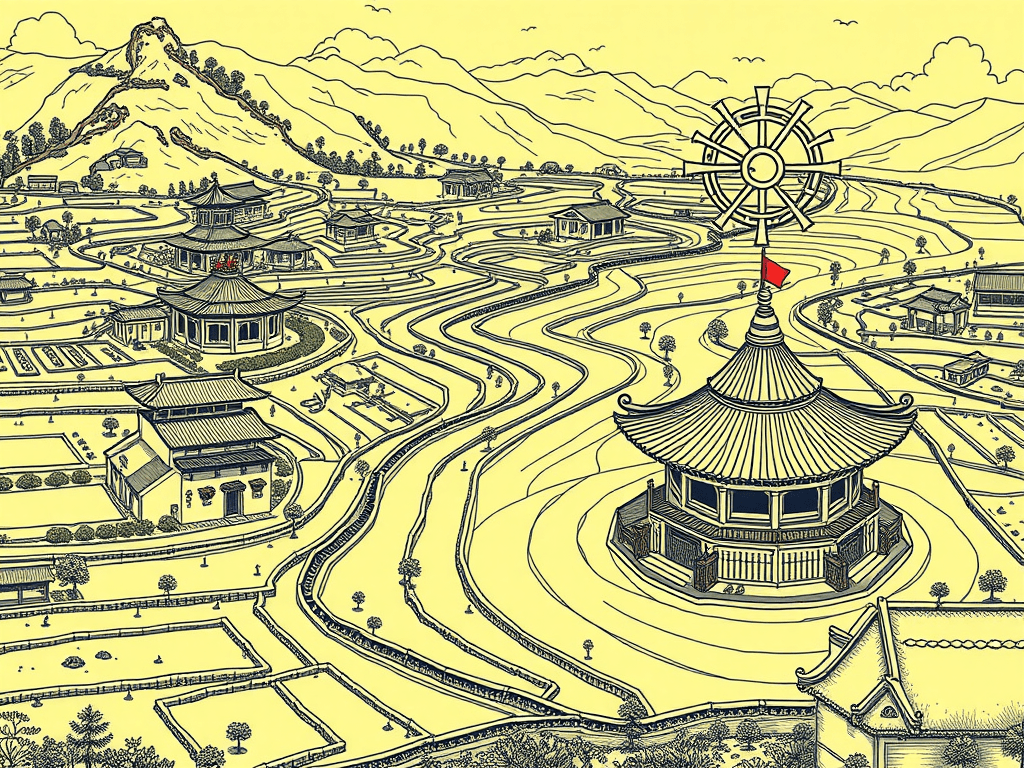
I reflect on Karl Marx’s concept of the Asiatic mode of production (AMP) after reading What is Marxism. Unlike feudal and capitalist systems, the AMP features centralized state control and lacks dynamic class struggles, rendering it a marginal idea in Marx’s work. The critique of contemporary authoritarianism, however, reinvigorates its relevance today.
-

Pier Paolo Pasolini, born in 1922 in Bologna, was a prolific Italian writer and filmmaker known for his social realism and critiques of bourgeois values. His works, including poetry, novels, and films, explored marginalized communities and taboo subjects. Pasolini’s controversial death in 1975 elevated his legacy as a significant cultural figure influencing literature and cinema.
-
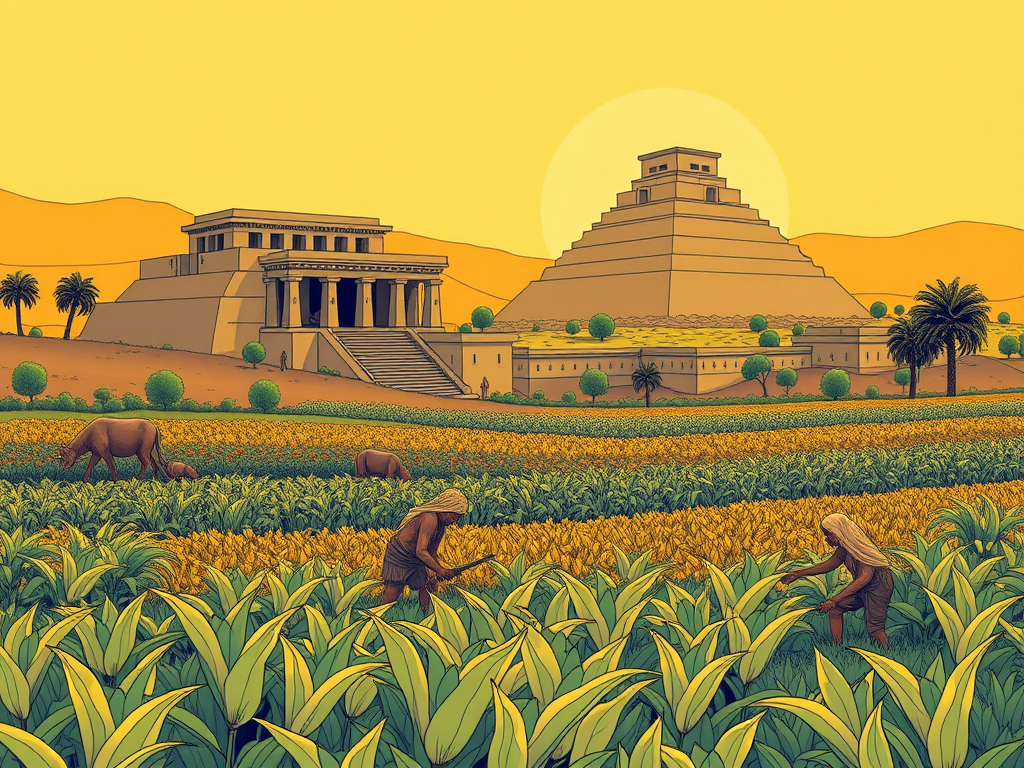
The Neolithic Revolution signifies a pivotal shift from hunter-gatherer societies to agriculture, reshaping human relations. Historical materialism emphasizes that this transformation created surplus production, leading to class divisions and exploitation. The ensuing economic base established power hierarchies and reinforced gender inequalities, illustrating that history is driven by material conditions rather than ideals.
-

Ruth Wilson Gilmore, born in 1950 in New Haven, Connecticut, is a prominent academic and activist renowned for her work on carceral geography and the prison-industrial complex. A professor at CUNY, she co-founded multiple organizations advocating for prison abolition. Her influential scholarship examines incarceration’s spatial aspects and intersections with race and labor.
-
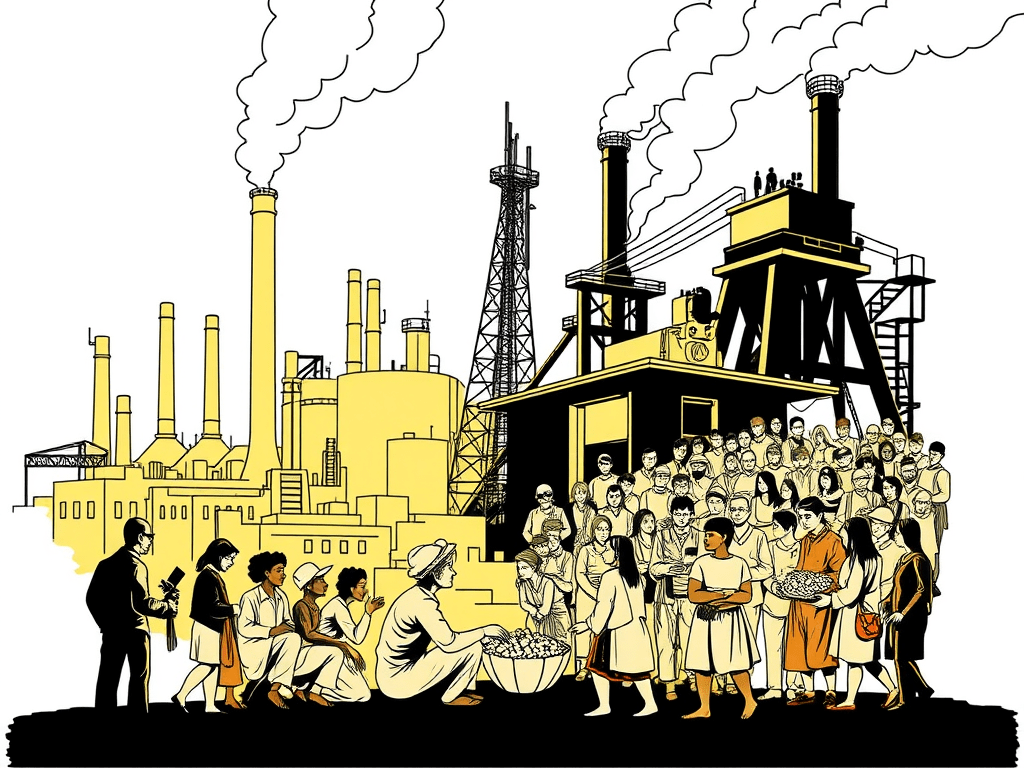
The debate about human selfishness is framed through a Marxist perspective, which argues that selfishness is a product of capitalism rather than inherent human nature. Historical materialism suggests that socio-economic conditions shape behavior, with cooperation prevalent in pre-capitalist societies. Socialism presents an opportunity to foster solidarity and reject selfishness, challenging the notion that it is…
-
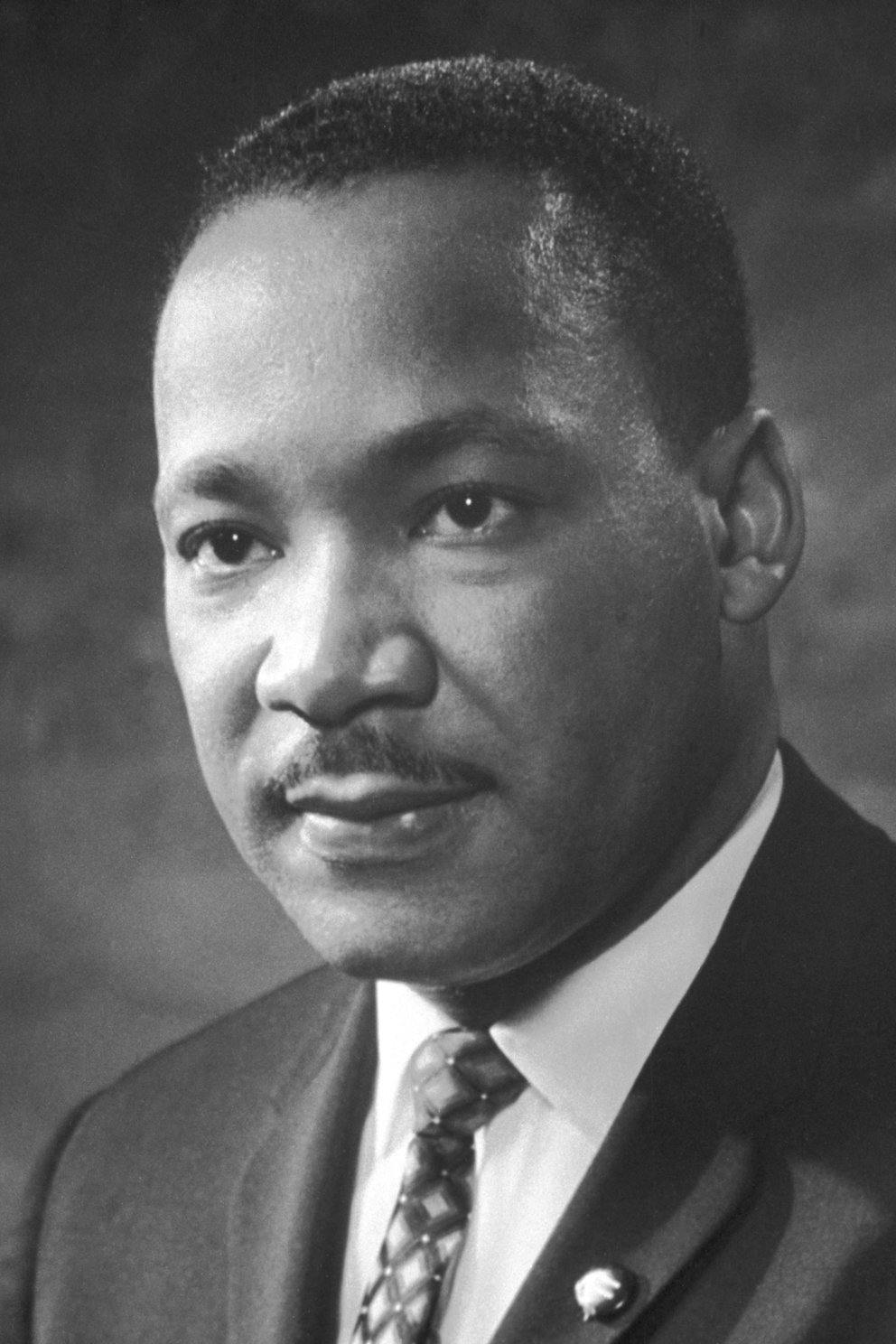
Today, we honor Dr. Martin Luther King Jr., a symbol of justice and nonviolent resistance whose legacy inspires ongoing movements. While significant progress was made, the struggle against systemic racism, inequality, and injustice continues. Martin Luther King Jr. Day serves as a reminder to act and serve, embracing his vision for a just society.
-
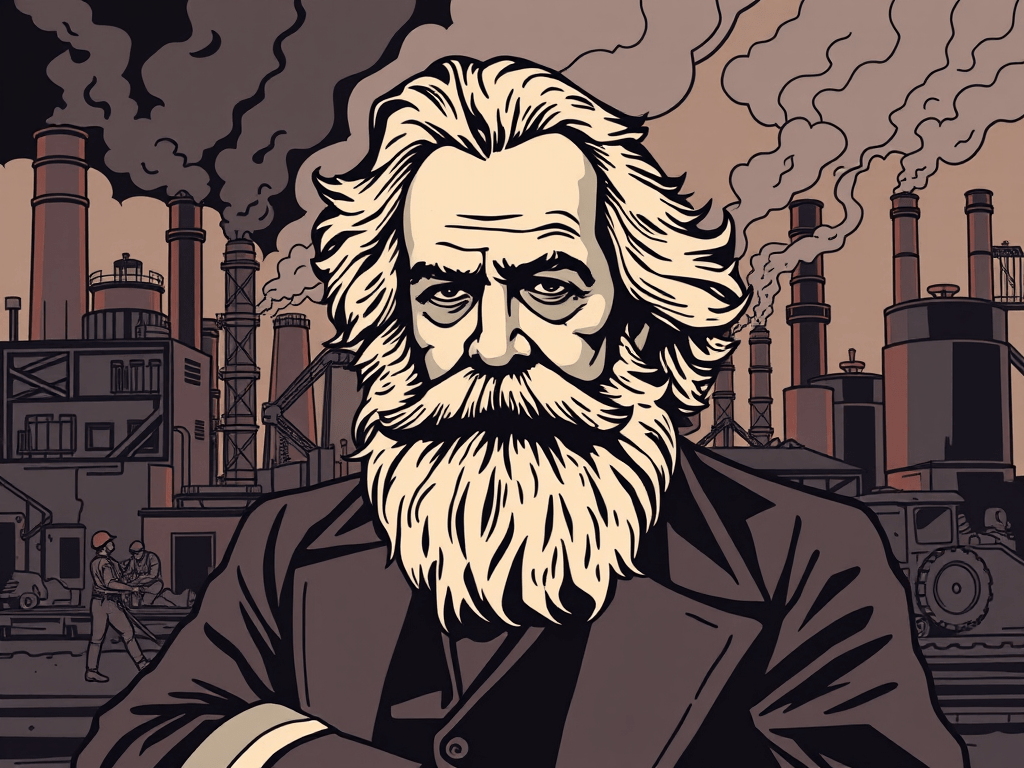
This reflection on historical materialism, inspired by What is Marxism by Sewell and Woods, explores class as a driving force in societal evolution. Marx’s view of class transcends economic status, focusing on relationships to production and the exploitation inherent in capitalism. It emphasizes the importance of class consciousness in revolutionary change and critiques contemporary misunderstandings…
-

This series of reflections on historical materialism explores the interplay between individual agency and societal structures in Marxist thought. It emphasizes that while individuals shape history, they operate within existing material conditions. This dialectical relationship underlines the complexities of historical development, challenging simplistic interpretations of history as solely driven by impersonal forces or individual will.
-

A reflection on the complex issue of free will through philosophical and theological lenses, questioning whether true agency exists or if all actions are determined by external factors. Despite the potential illusion of free will, the author emphasizes its importance for moral responsibility and societal functionality, advocating for mindful choices regardless of determinism.
 Letters from Tomis