reflections
-
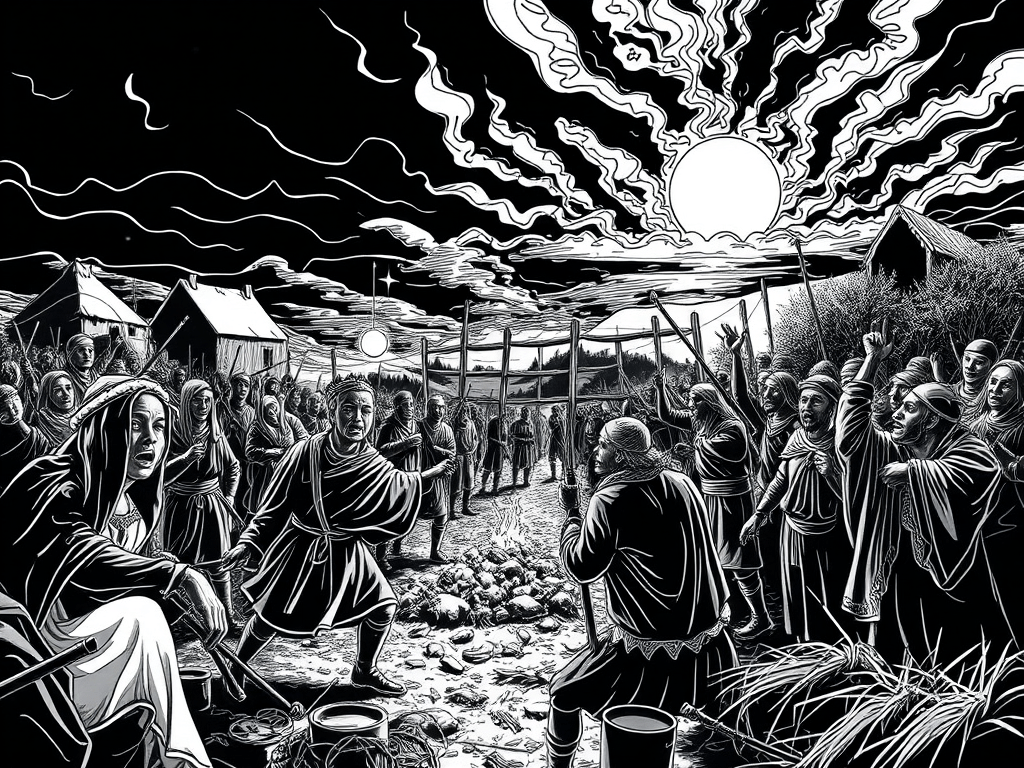
Karl Marx’s concept of primitive accumulation exposes capitalism’s origins rooted in violence and theft, contrary to the myth of hard work and virtue. This theory highlights the processes of dispossession that created the modern proletariat and critiques how historical injustices continue to impact contemporary economic disparities and power dynamics.
-

Theodor W. Adorno was a significant German philosopher and critical theorist associated with the Frankfurt School. His work, including “Dialectic of Enlightenment,” critiques modern rationality and mass culture’s role in promoting consumerism. Exiled during the Nazi regime, he continued to influence sociology and aesthetics, leaving a lasting intellectual legacy after his death in 1969.
-

Human progress relies on adaptation and critical thinking regarding our economic and political systems. Currently, capitalism’s inequalities demand a shift toward socialism, which prioritizes communal needs over profit. Socialism seeks to democratize power and resources, promoting well-being and cooperation, while recognizing human value beyond mere economic contributions. Embrace this moral revolution for a sustainable future.
-
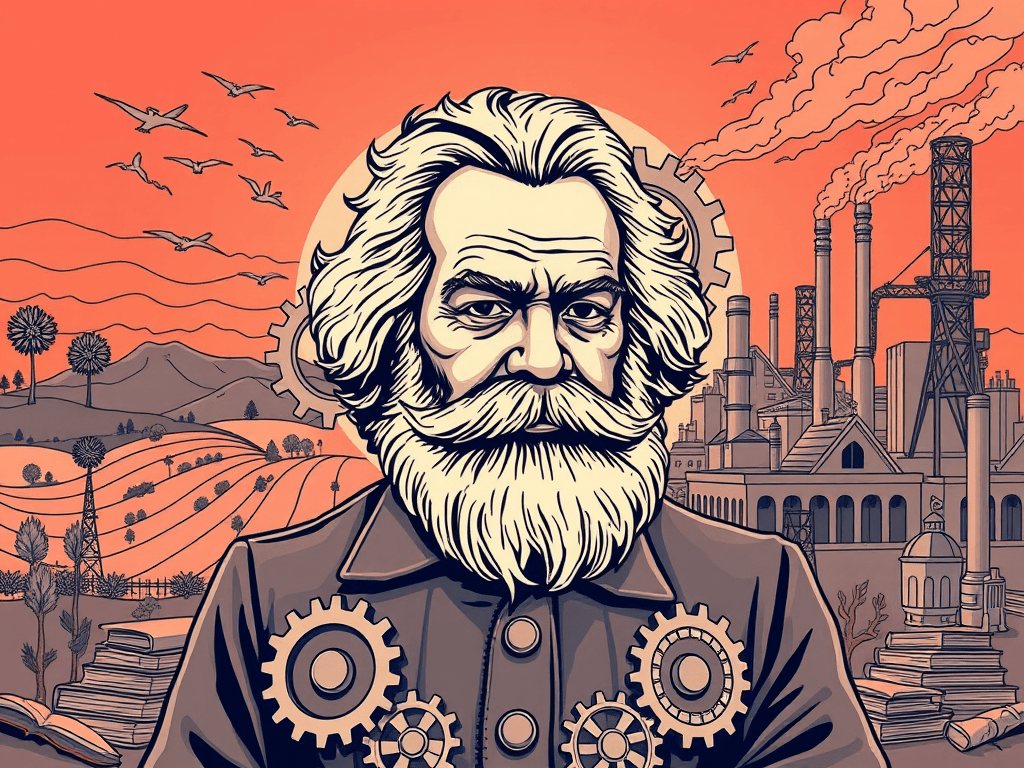
Karl Marx offers a historical materialist perspective on human consciousness, emphasizing that it is shaped by material conditions rather than existing independently. Consciousness evolves through class struggles, reflecting economic realities. As societies transform, so do ideologies, showcasing a dialectical process where contradictions propel social progress and change in consciousness.
-
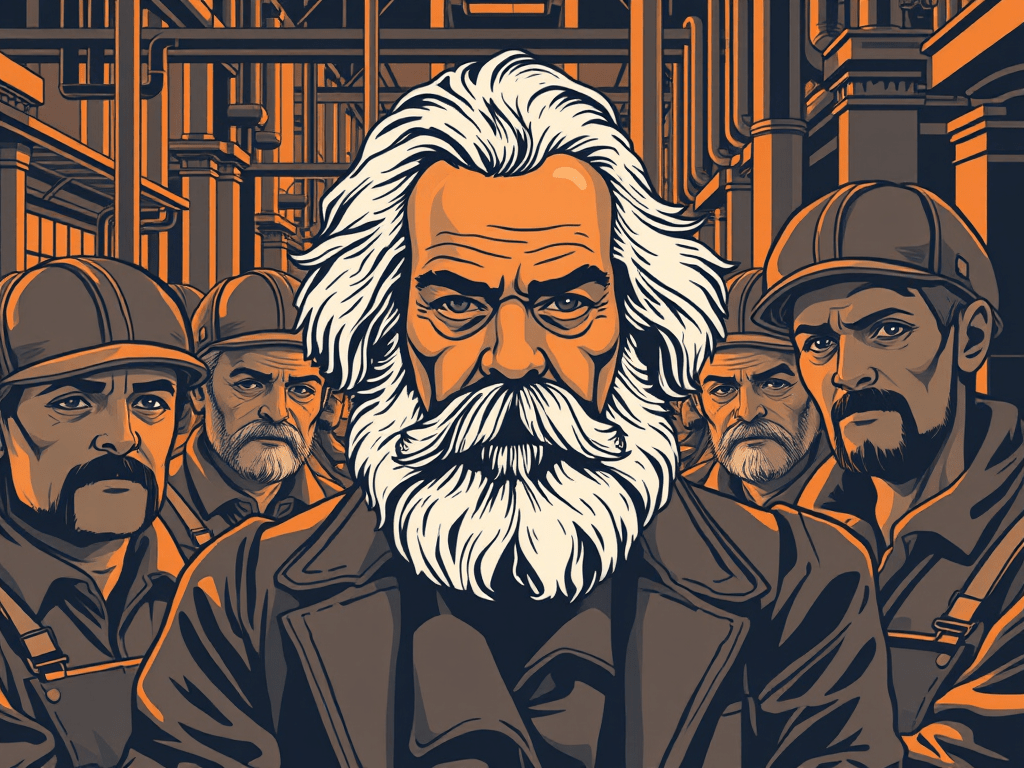
Karl Marx described the working class as the “gravediggers” of capitalism, emphasizing their role in challenging the system’s inherent contradictions and exploitative nature. While capitalism adapts and reshapes itself, the potential for collective action among workers emphasizes their capacity for revolutionary change, making the future of the system uncertain.
-

St. Valentine’s Day has evolved from its origins into a commercialized event that prioritizes consumerism over genuine expressions of love. This holiday pressures individuals to demonstrate affection through material gifts, reinforcing gender stereotypes while commodifying relationships. Ultimately, it raises questions about the true meaning of love and its relationship with capitalism.
-
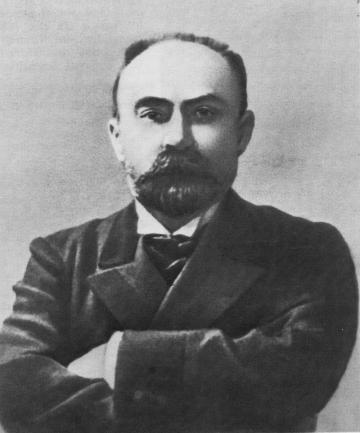
Georgi Plekhanov, born into a minor noble family in Russia, became a pivotal figure in the revolutionary movement, known as the “father of Russian Marxism.” As a writer and philosopher, he laid the theoretical groundwork for socialism in Russia, opposing populism and promoting proletarian revolution. He died in 1918, critiquing Bolshevik tactics.
-
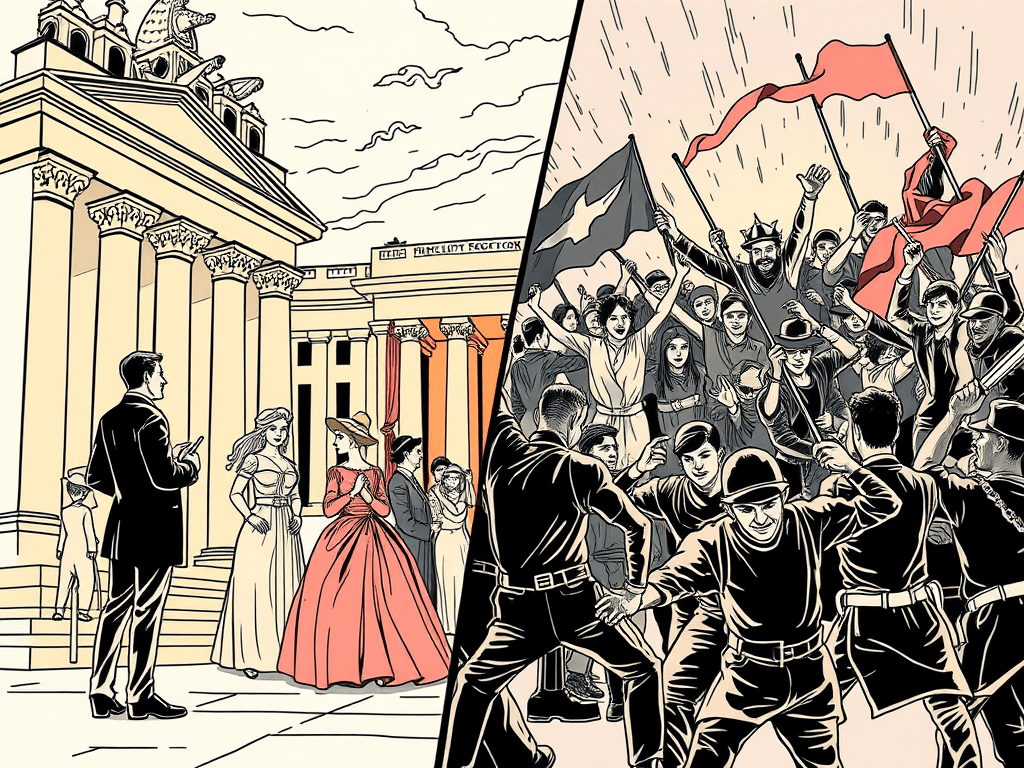
Revolutions have paradoxical traits, blending change with continuity. Bourgeois revolutions like the French and American prioritize reforming power structures without challenging property rights, benefiting the educated upper classes. In contrast, proletarian revolutions, exemplified by the Bolshevik Revolution, aim to dismantle capitalist systems entirely, seeking radical transformation for the dispossessed masses.
-

Heinz Kapelle (1913-1941) was a German communist and anti-fascist activist symbolizing resistance against the Nazi regime. Born in a working-class family, his activism grew amidst the rise of fascism. Arrested for high treason, he was executed for his unwavering commitment to his ideals. Kapelle’s legacy inspires ongoing struggles for social justice.
-
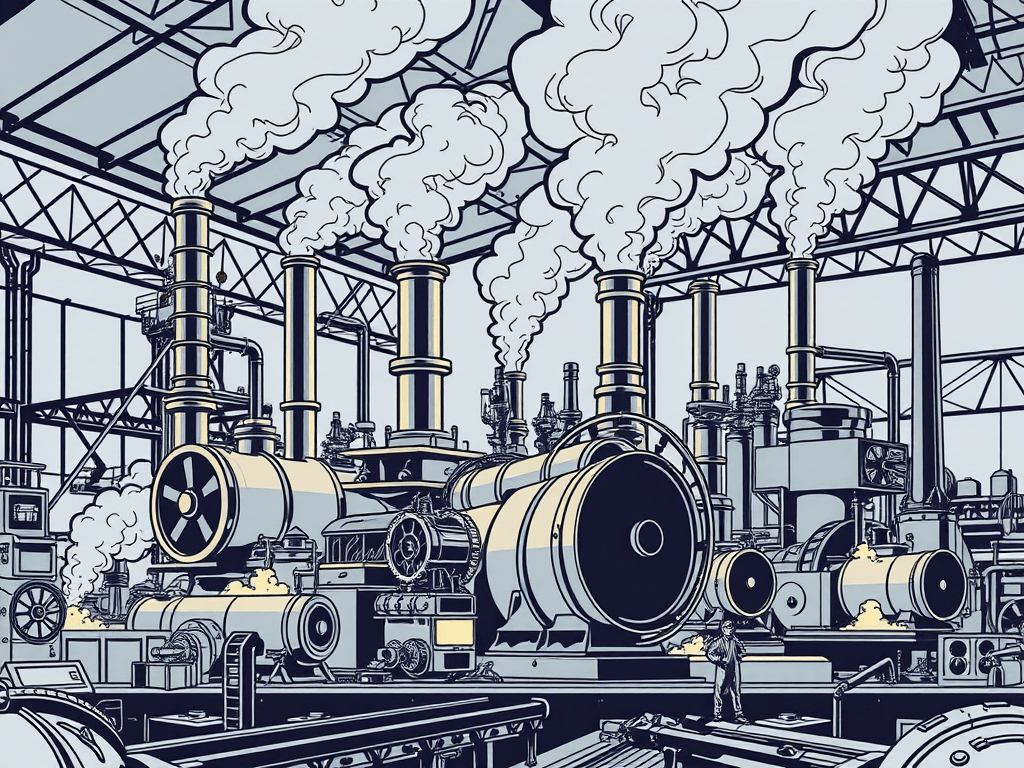
I discuss capitalism’s unique drive for constant innovation, contrasting it with the stagnation of feudal economies. The Industrial Revolution exemplifies how advancements transformed societies, often at a human cost. However, capitalism’s inherent contradictions, like wealth concentration and displacement of workers, raise questions about its sustainability and the potential need for a new economic system.
 Letters from Tomis