reflections
-

Lenin’s “Testament” warned against Stalin, advocating his removal as General Secretary, yet it was suppressed by Stalin and allies like Zinoviev and Kamenev. Disunity among Lenin’s potential successors, internal divisions, and Stalin’s control over party machinery enabled him to consolidate power, ultimately silencing his rivals and becoming the Soviet leader.
-

Karl Marx’s theory of labor-power and wages is often misunderstood, obscured by capitalism’s need to mask economic realities. He distinguishes labor-power from labor, highlighting how workers are paid only for reproducing their capacity to work, not for the true value produced. This system leads to surplus value extraction and worker exploitation. Marx argues for the…
-

The true essence of Marxism lies in class consciousness rather than violence. It emphasizes organized collective action and awareness of exploitation, leading to a rational societal transformation. Though historical revolutions involved violence, Marxism fundamentally seeks dignity and the reconfiguration of society by empowering the working class to recognize its value and solidarity.
-

The text critiques the utility theory of value, arguing it diverts attention from the exploitative nature of capitalism by attributing worth to individual preference rather than labor. In contrast, the Marxist labor theory emphasizes value as determined by socially necessary labor time, revealing capitalism as a system that extracts wealth, not generates it.
-
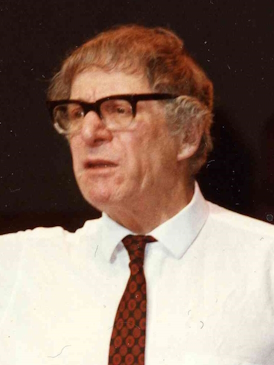
Ted Grant (1913–2006) was a prominent British Marxist and Trotskyist theorist, known for his activism in the UK labor movement. He advocated for entryism within the Labour Party and founded the Militant Tendency, influencing local councils. Expelled in 1992, he established Socialist Appeal and continued to promote Marxist ideas until his death.
-

Karl Marx’s concept of socially necessary labor time (SNLT) reveals how capitalism measures labor not by effort or skill but by efficiency standards. This leads to exploitation, as workers’ productivity gains benefit owners rather than themselves. Ultimately, SNLT highlights capitalism’s coercive nature, demanding a shift towards valuing work based on human needs.
-
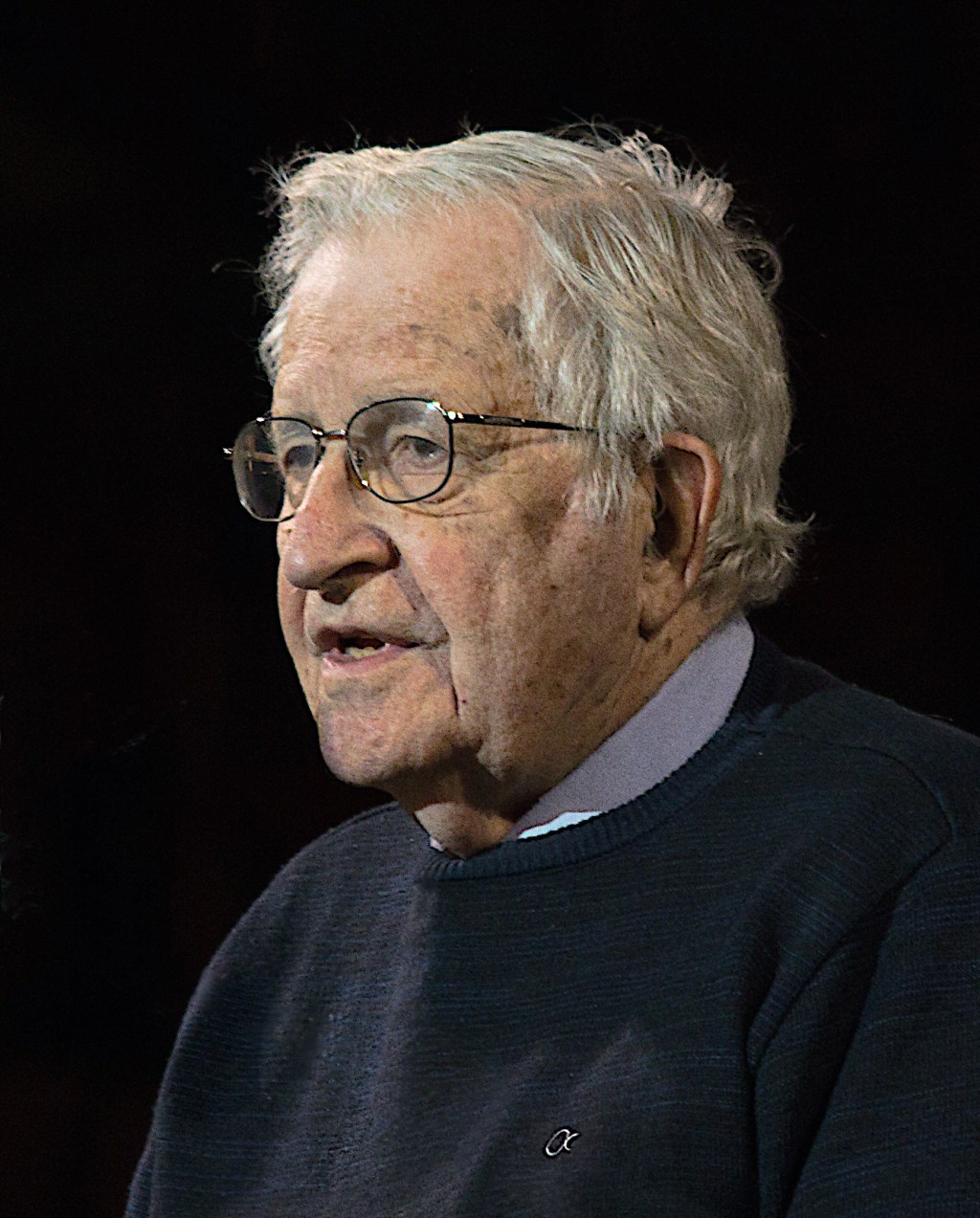
Avram Noam Chomsky, born in 1928, is a prominent linguist and political activist known for his revolutionary theories in linguistics, particularly generative grammar and universal grammar, which have significantly influenced cognitive science. He is also a staunch critic of U.S. foreign policy and corporate power, and remains an influential figure in global discourse.
-

The post critiques modern economic disparities, emphasizing Karl Marx’s Labor Theory of Value. It argues that all economic value stems from human labor, which is exploited under capitalism, allowing owners and shareholders to amass wealth while workers are undercompensated. The text calls for a recognition of this injustice and a potential revolutionary change.
-

Marxist economics defines a commodity as an object of human labor, entangled in market logic. It features a dichotomy of use-value and exchange-value, leading to alienation of workers from their products. Marx critiques commodity fetishism, revealing how labor exploitation is concealed, transforming social relations into transactions, and emphasizing capitalism’s inherent inequality and potential for change.
-
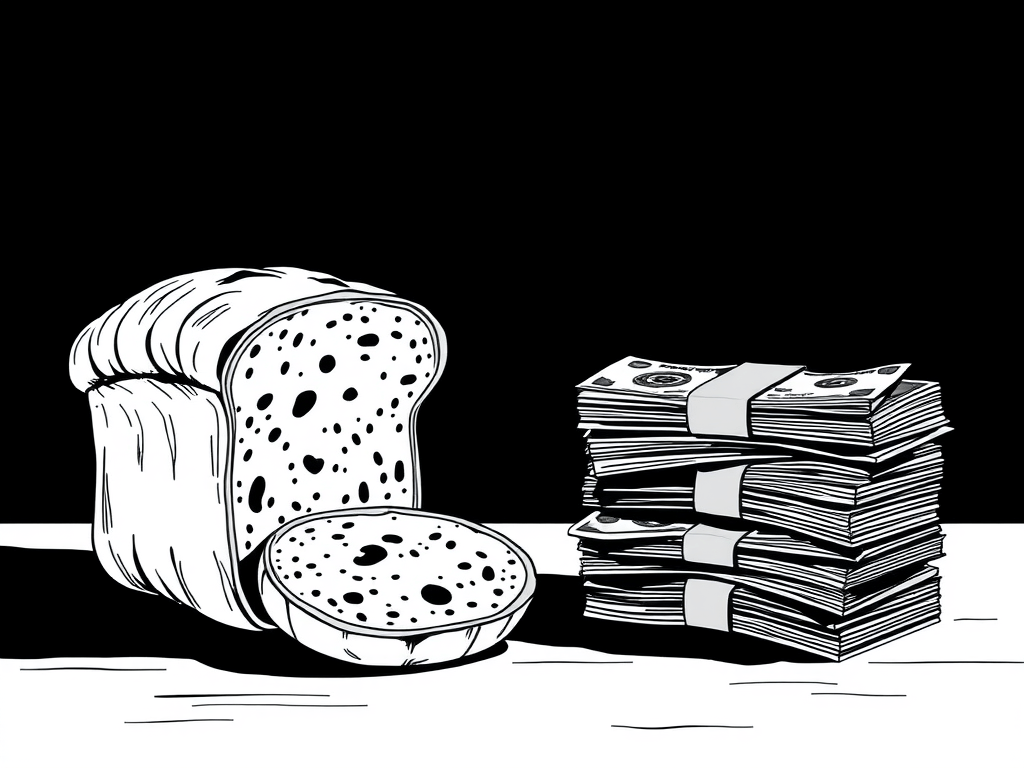
The post critiques the common dismissal of Karl Marx’s ideas as outdated, emphasizing the relevance of his analysis on capitalism’s distinction between use-value and exchange-value. It argues that capitalism prioritizes profit over human needs, leading to absurdities such as produced goods not serving necessity. Ultimately, it calls for a more honest discussion about the nature…
 Letters from Tomis