reflections
-

The concept of “under-consumption” highlights the paradox of poverty amidst abundance in capitalism, where overproduction leads to unsold goods while many lack means to purchase essentials. This systemic issue, rooted in class exploitation and wage suppression, consistently results in economic crises, revealing flaws in capitalist distribution, not consumer behavior.
-

The article critiques capitalism’s taxation system through a Marxist lens, arguing it reflects class struggle, particularly benefiting the bourgeoisie at the expense of the working class. Marxists propose utilizing taxation as a tool for redistribution while advocating for deeper social change to abolish class divides. Taxation’s flaws highlight systemic inequalities in capitalist societies.
-
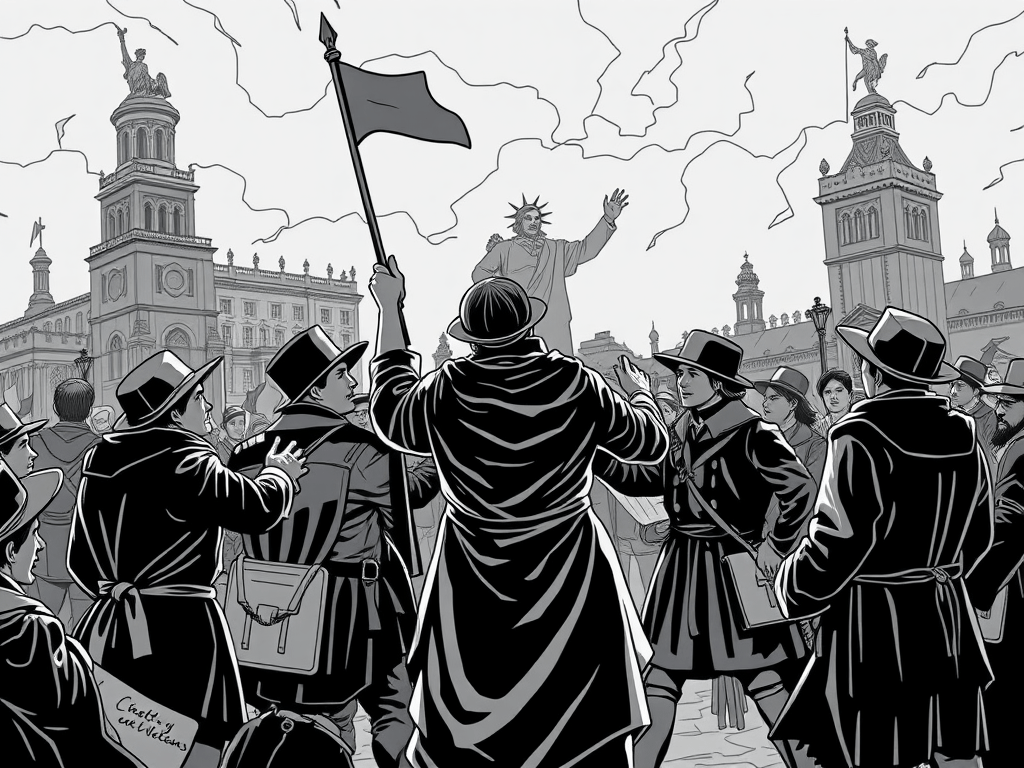
The essay critiques the bourgeoisie’s historical reliance on liberal democracy, arguing they now see it as outdated. Initially champions of democratic principles, they increasingly embrace authoritarianism to protect their privileges. Contemporary signs include rising authoritarianism, entrenched plutocracy, and disdain for public accountability, suggesting democracy’s utility for the bourgeoisie has waned.
-

Rosa Luxemburg challenges the notion that socialists long for a pre-industrial past, asserting instead that socialism emerges from capitalism’s inherent tensions. She emphasizes the importance of embracing technological progress for the benefit of all, advocating for reforms like universal basic income. Luxemburg’s vision for socialism focuses on utilizing capitalism’s advances to create a more equitable…
-
Rosa Luxemburg’s interpretation of Marxism emphasizes the labor theory of value as essential to her revolutionary critique of capitalism. She argues that true value comes from labor, positioning workers as creators deserving of rewards. Luxemburg advocates for democratic socialism and highlights the moral imperative to unite against exploitation, enhancing Marx’s ethical vision for human emancipation.
-

Money is a complex and misunderstood artifact, seen as a mere facilitator of trade yet deeply intertwined with alienation and exploitation. Marx critiques its role as a commodity that masks social relations and perpetuates inequality. Rather than a neutral tool, money embodies estrangement and fuels capitalist predation, necessitating a reevaluation of its societal status.
-
Rosa Luxemburg’s pamphlet Reform or Revolution (1899) critiques Eduard Bernstein’s revisionism within the SPD, arguing that socialism cannot be achieved through gradual reforms. She emphasizes the necessity of revolution due to capitalism’s inherent contradictions. This work later influenced revolutionary socialism and highlighted Luxemburg’s enduring opposition to reformism and centralism within socialist movements.
-

The content critiques the modern bourgeoisie’s self-congratulatory belief that capitalism has evolved beyond Marxist exploitation. It illustrates how constant capital, represented by technology, relies on variable capital—human labor. Despite advancements, the fundamental dynamics of exploitation persist, with labor often obscured in narratives of innovation and progress, revealing Marx’s insights remain relevant today.
-

Lenin’s “Testament” warned against Stalin, advocating his removal as General Secretary, yet it was suppressed by Stalin and allies like Zinoviev and Kamenev. Disunity among Lenin’s potential successors, internal divisions, and Stalin’s control over party machinery enabled him to consolidate power, ultimately silencing his rivals and becoming the Soviet leader.
-
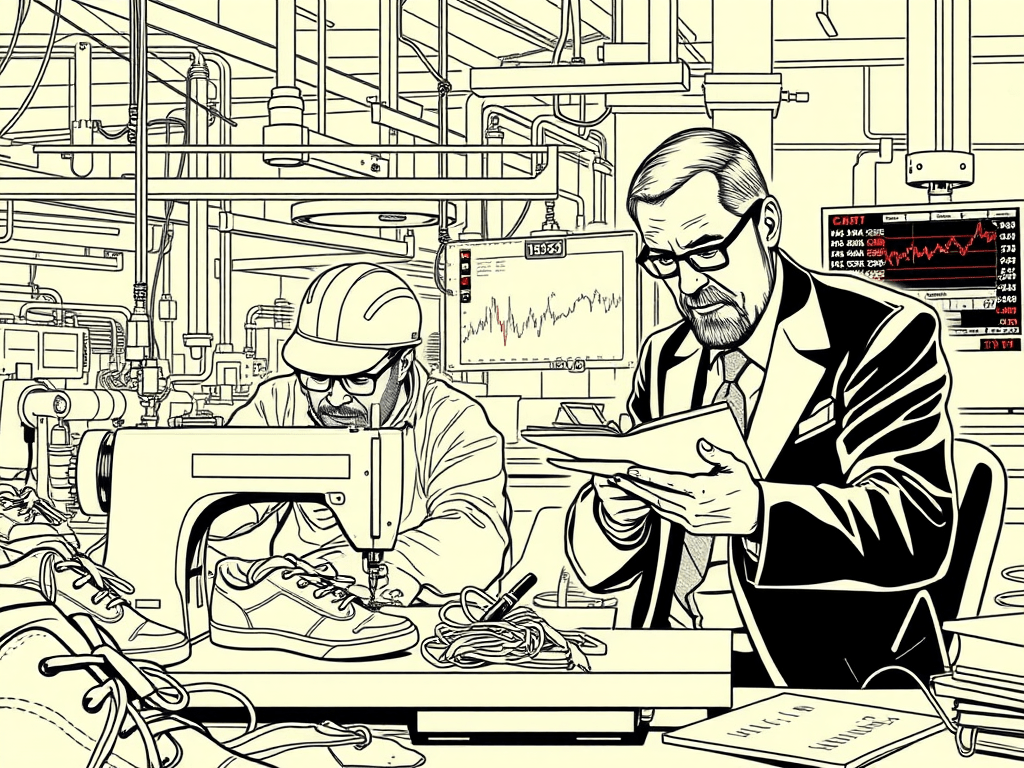
Marxist thought delineates between productive and unproductive labor, clarifying that productive labor creates surplus value for capital, while unproductive labor merely redistributes wealth. This analysis reveals the exploitation inherent in capitalism. Understanding these distinctions provides clarity and a path to reclaiming labor’s humanity amidst capitalist structures, illuminating a potential for transformation.
 Letters from Tomis