Philosophy
-

The text explores how accidents shape history, challenging the notion that monumental events are solely the result of deliberate actions or ideologies. It argues that small, chance occurrences often alter the course of nations, emphasizing that history is not linear but a complex interplay of chaos and contingency, making our choices significant.
-

Rosa Luxemburg’s Reform or Revolution, written in 1899, critiques revisionist socialism, emphasizing that reforms cannot resolve capitalism’s inherent contradictions. Luxemburg advocates for revolutionary action as essential for achieving social justice, presenting a thoughtful interplay between reform and revolution. Her passionate arguments urge a collective struggle for a world beyond capitalism.
-

The belief that history repeats itself oversimplifies the complexities of human experience. While patterns exist, history should be viewed as a spiral rather than a circle, shaped by human choices. Learning from past mistakes allows for progress and change, empowering humanity to carve new paths instead of reliving old errors.
-
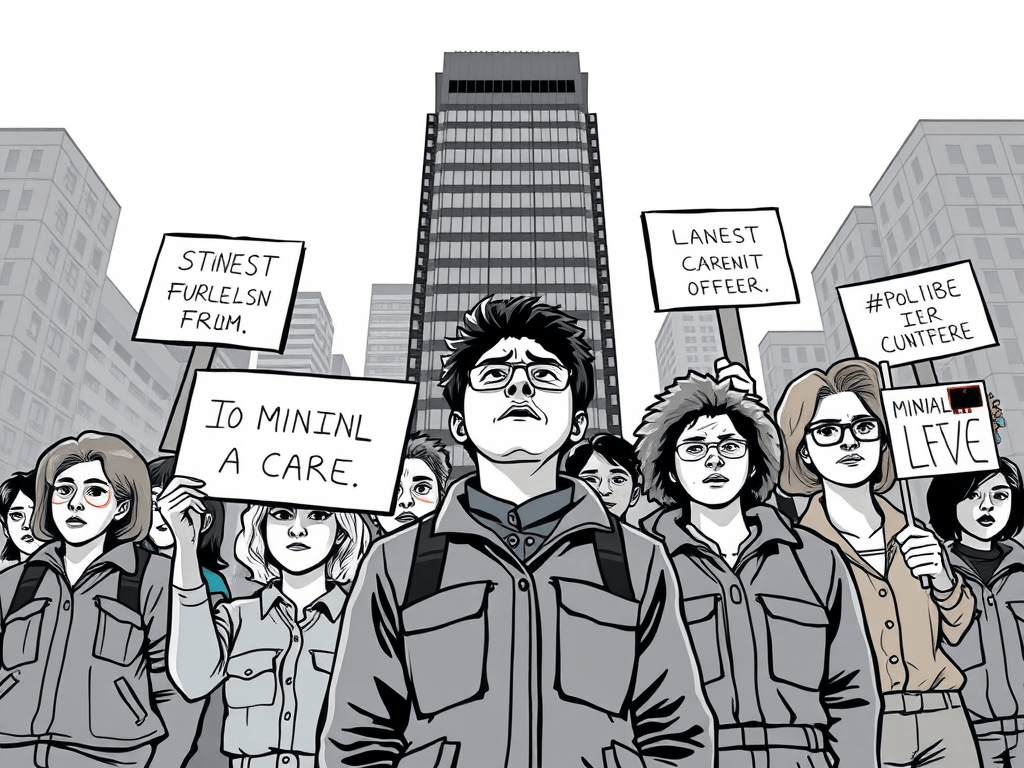
The human spirit endures injustices but may erupt against minor affronts that symbolize deeper frustrations. Workplace indignities often catalyze rebellion, revealing collective strength. Small incidents crystallize everyday humiliations, igniting strikes as workers reclaim their dignity. These actions affirm worth and humanity, highlighting a fundamental truth about resistance against oppression.
-
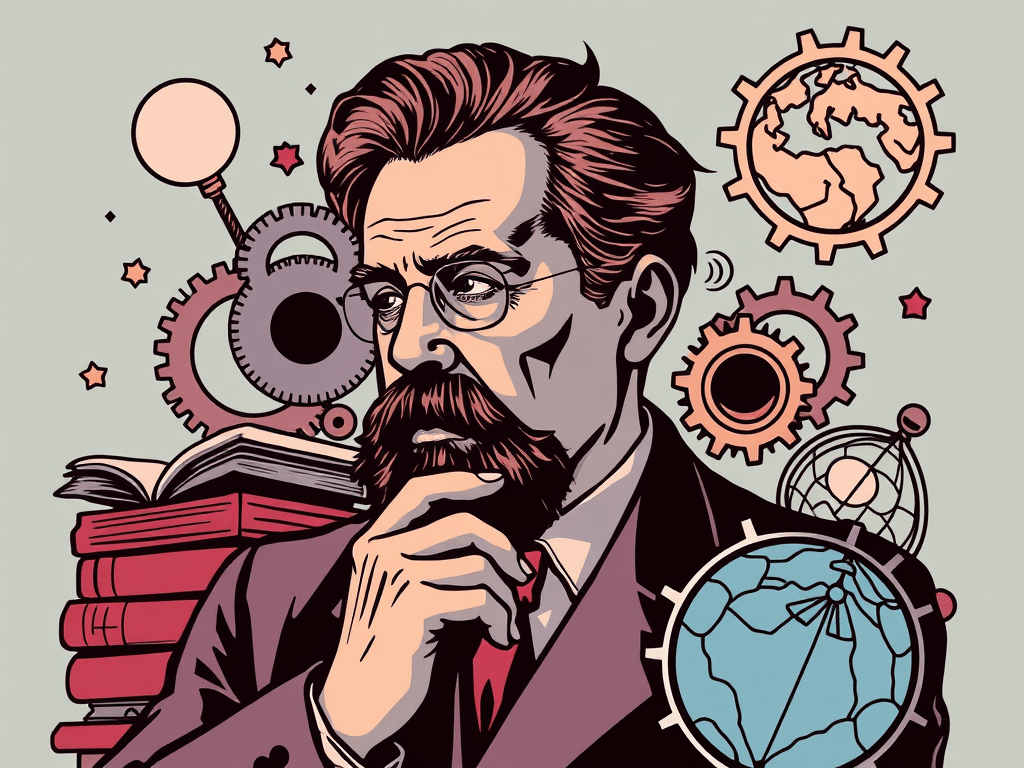
In the tenth installment of reflections on What is Marxism by Sewell and Woods, Trotsky’s The ABC of Materialist Dialectics is praised for its clarity and passion. It connects philosophical concepts with class struggles, viewing contradictions as catalysts for change. Trotsky offers a dynamic approach to dialectics, urging critical thought and action for social transformation.
-

Formal logic, often overlooked, is essential for clear thinking and moral reasoning, providing rigorous principles for valid arguments. Originating from Aristotle, it serves both philosophy and society by exposing unexamined assumptions and fallacies. In an age of emotional discourse, its principles are vital for distinguishing truth from confusion and fostering intellectual clarity.
-

Mechanistic materialism, while intellectually appealing, offers a limited perspective on reality. It reduces complexities of existence, including creativity and morality, to mere physical processes. Although materialism has grounded our understanding of the universe, it fails to acknowledge essential dimensions of human experience and understanding, necessitating a broader approach to reality.
-

The reflections explore the complex concept of dialectics, emphasizing its historical evolution from ancient Greek argumentation to Marx’s material interpretation. Dialectics challenges simplifications, urging a nuanced understanding of contradictions in human thought and society. Embracing dialectics requires intellectual rigor and readiness to confront complexity in pursuit of truth and personal growth.
-

The term “metaphysical” historically refers to inquiries beyond empirical observation, questioning existence’s nature and purpose. While often associated with mystical ideologies, true metaphysical inquiry challenges us to think critically about what questions remain unanswered. It encourages disciplined exploration of existence’s mysteries, reaffirming our intellectual curiosity and humanity’s profound inquiries into reality.
-
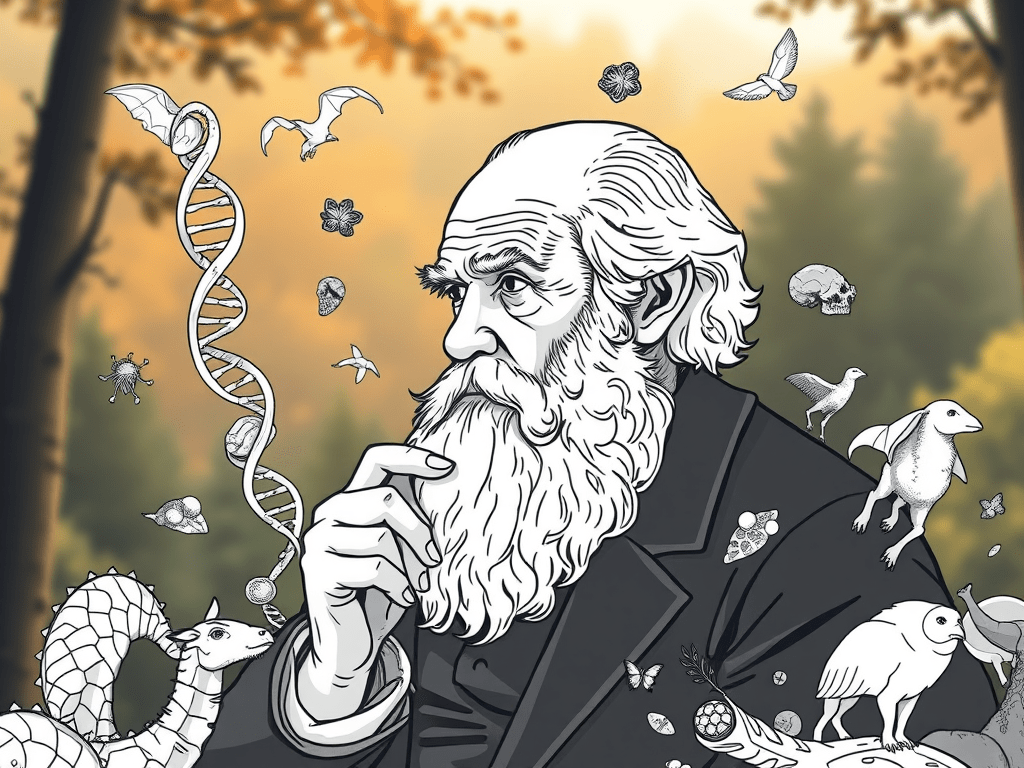
Darwin’s theory of evolution by natural selection challenges both scientific understanding and philosophical beliefs. It highlights humanity’s kinship with other life forms and redefines our moral responsibilities. While some resist this idea due to its unsettling implications, embracing it can deepen our understanding of existence and enrich our perspective on life.
 Letters from Tomis