Philosophy
-

The evolution of psychotherapy began with Freud’s psychoanalysis, emphasizing the unconscious mind and inner conflicts. This tradition expanded through Jung’s collective unconscious and Lacan’s linguistic approach. Modern therapies, like CBT and humanistic methods, prioritize empirical evidence and structured techniques, focusing on present issues, symptom relief, and client empowerment.
-

The concept of the “Body Without Organs” (BwO), developed by Deleuze and Guattari, challenges traditional psychoanalysis and metaphysical thought. It represents a body stripped of structured organization, embodying unregulated potential. The BwO visualizes desire as a creative force, advocating freedom from imposed roles, encouraging new connections and identities beyond rigid frameworks.
-
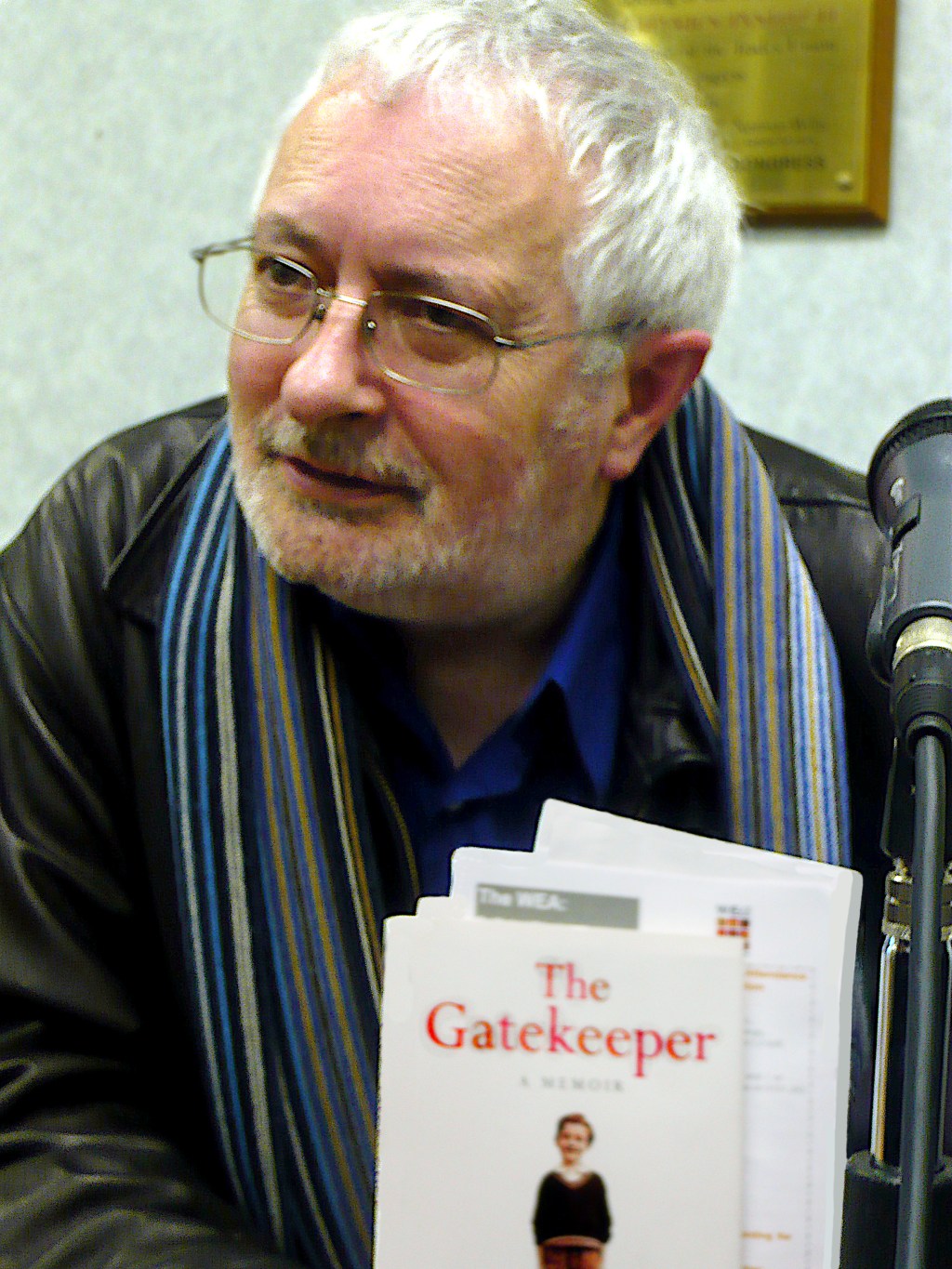
Terry Eagleton, born in 1943, is a leading British literary theorist recognized for his Marxist interpretations of literature. His academic career spans prestigious institutions, with works that blend accessibility and wit. Defending Marxist critique against postmodernism, Eagleton examines ideology and culture through extensive publications, remaining a vital contemporary intellectual figure.
-

Frederic Jameson, born in 1934, is a prominent Marxist literary critic known for his theories on postmodernism and capitalism. He taught at various prestigious institutions, notably Duke University. His notable works include Postmodernism, or, The Cultural Logic of Late Capitalism and The Political Unconscious, analyzing the intersections of culture and economics.
-

Jacques Lacan, a French psychoanalyst, merged Freudian psychoanalysis with structural and post-structural ideas. His key concepts include the Imaginary, the Symbolic, and the Real, as well as the mirror stage and objet petit a. Lacan’s influence spans psychoanalysis, philosophy, and critical theory, continuing to inspire scholars and clinicians today.
-

Alan Woods, a British Marxist theorist born in 1944 in Wales, engaged in socialist politics from a young age. After studying Russian, he participated in Spain’s anti-Franco movement and co-founded the International Marxist Tendency in 1992. An advocate for the Bolivarian Revolution, he has published extensively on Marxism and related fields.
-
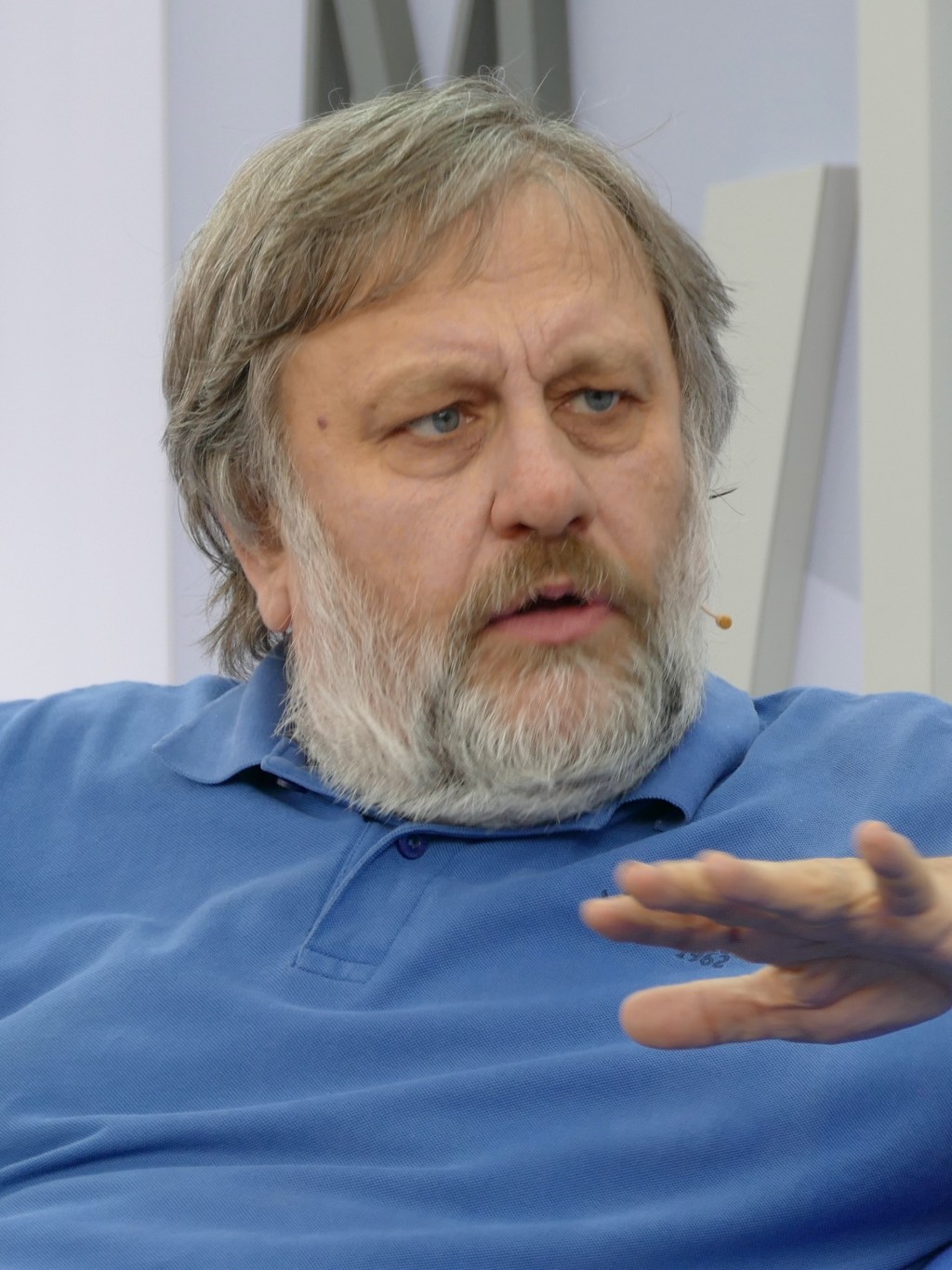
Slavoj Žižek, born in 1949, is a Slovenian philosopher and cultural critic known for his analyses of culture, politics, and psychoanalysis, merging Marxism with Lacanian theory. His works critique ideology and capitalism, with significant contributions to critical theory and political philosophy. He remains influential in academia and public discourse.
-

The German Ideology, co-authored by Karl Marx and Friedrich Engels, critiques idealist philosophy and introduces historical materialism. It argues that material conditions shape societal structures and consciousness. The text examines ideology as a tool for ruling classes, remains relevant for understanding power dynamics, and is essential for exploring Marxist thought and socialism.
-

Louis Pierre Althusser, born in Algeria in 1918, was a prominent Marxist philosopher who reinterpreted Marxism through structuralism. His concepts of Ideological State Apparatuses and overdetermination reshaped Marxist thought amid Cold War disillusionment. Despite personal struggles and a controversial legacy, his theories continue to influence critical and cultural studies today.
-

The evolution of human civilization, intertwined with the institution of slavery, reflects a complex relationship between progress and exploitation. While slave societies contributed significantly to economic and cultural achievements, they did so at a severe human cost. Recognizing this paradox compels a moral obligation to strive for a future devoid of exploitation.
 Letters from Tomis