Philosophy
-

Slavoj Žižek’s The Sublime Object of Ideology (1989) integrates Lacanian psychoanalysis, Hegelian idealism, and Marxist theory, challenging conventional ideology critiques. It revitalizes Marxist thought by emphasizing structure over false consciousness and critiques postmodernism. Although dense, the work reshapes ideology understanding, influencing critical theory and political discourse post-Cold War.
-

Jacques Lacan’s psychoanalytic theory features three interdependent registers: the Imaginary, the Symbolic, and the Real, with the Real as the most complex. This summary explores Lacan’s evolving understanding of the Real throughout his career, examining its distinctions from the other orders, its role in human experience, and its implications for psychoanalysis.
-
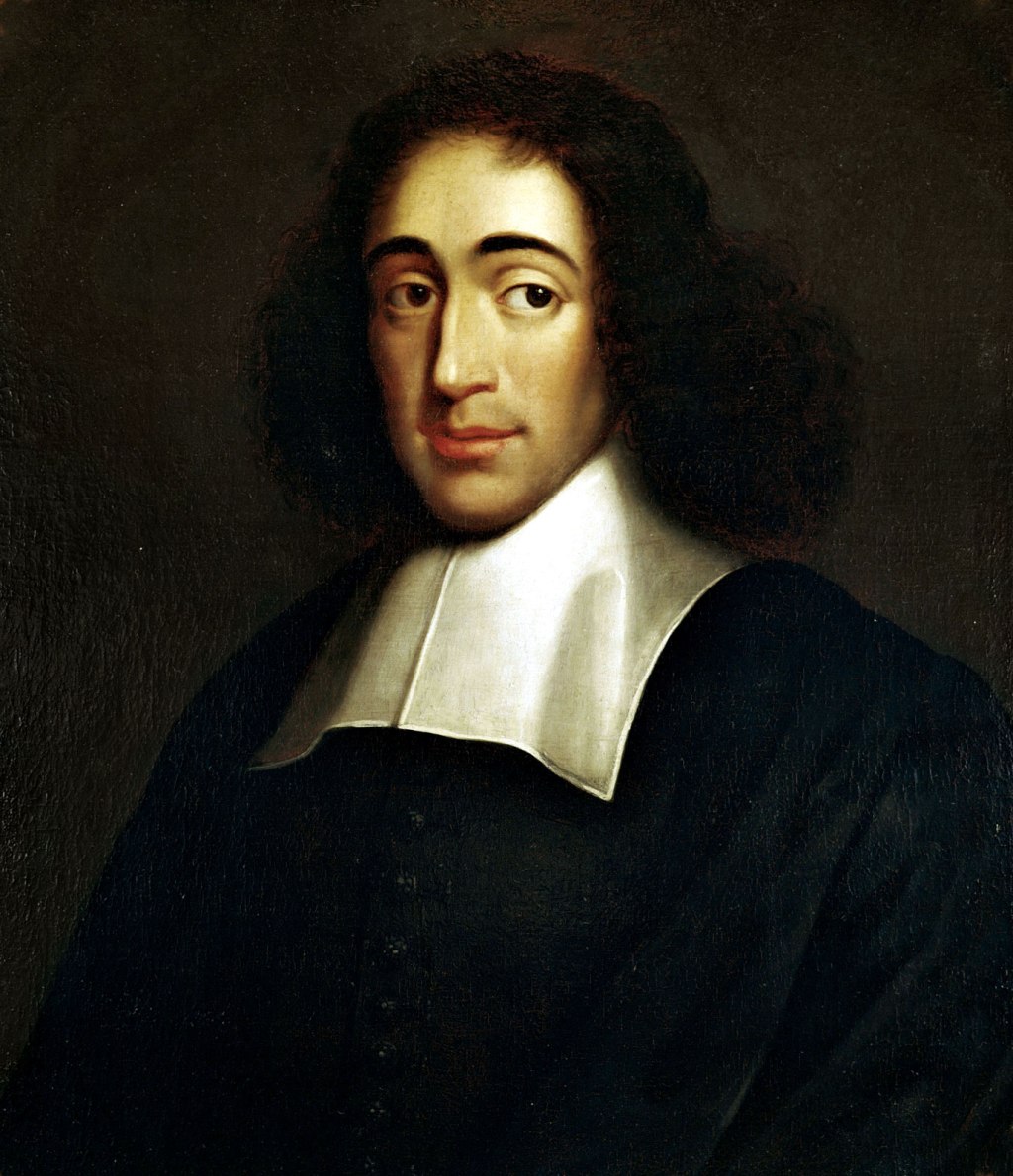
Baruch Spinoza (1632–1677) was a pivotal figure in Western philosophy, known for his radical rationalism and monistic metaphysics. Excommunicated from his Jewish community, he promoted a naturalistic view of religion, emphasizing the unity of God and Nature. Influencing modern thought, Spinoza’s ideas sparked debates on ethics, freedom, and political theory.
-
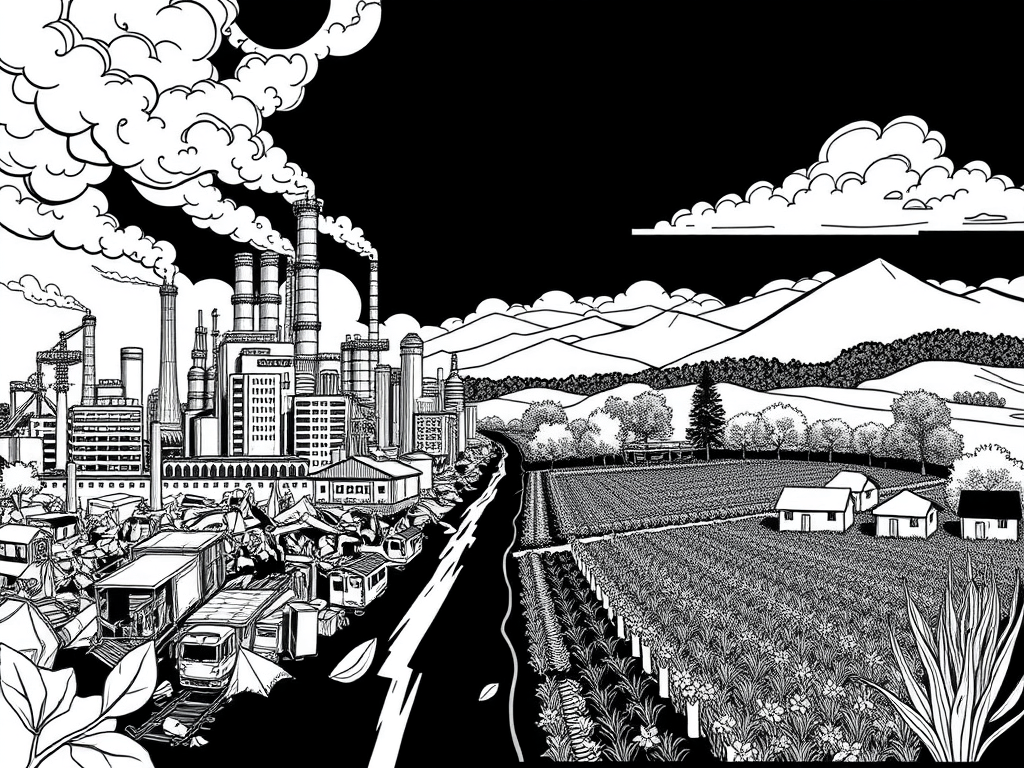
Climate change, a crisis stemming from capitalist structures, demands transformative eco-socialism that promotes collective ownership and ecological stewardship. Marxist analysis highlights capitalism’s destructive impact on nature. Historical examples, such as Cuba’s agroecology and Indigenous land management globally, illustrate how socialist approaches can effectively address ecological challenges while prioritizing sustainability and equity.
-

The lecture on “The Communist Manifesto” emphasizes its historical significance and ongoing relevance in contemporary discourse. It explores the text’s insights on capitalism, class struggle, and Marxist theory, alongside a critique of its predictions and enduring themes such as alienation and inequality in today’s global economy.
-
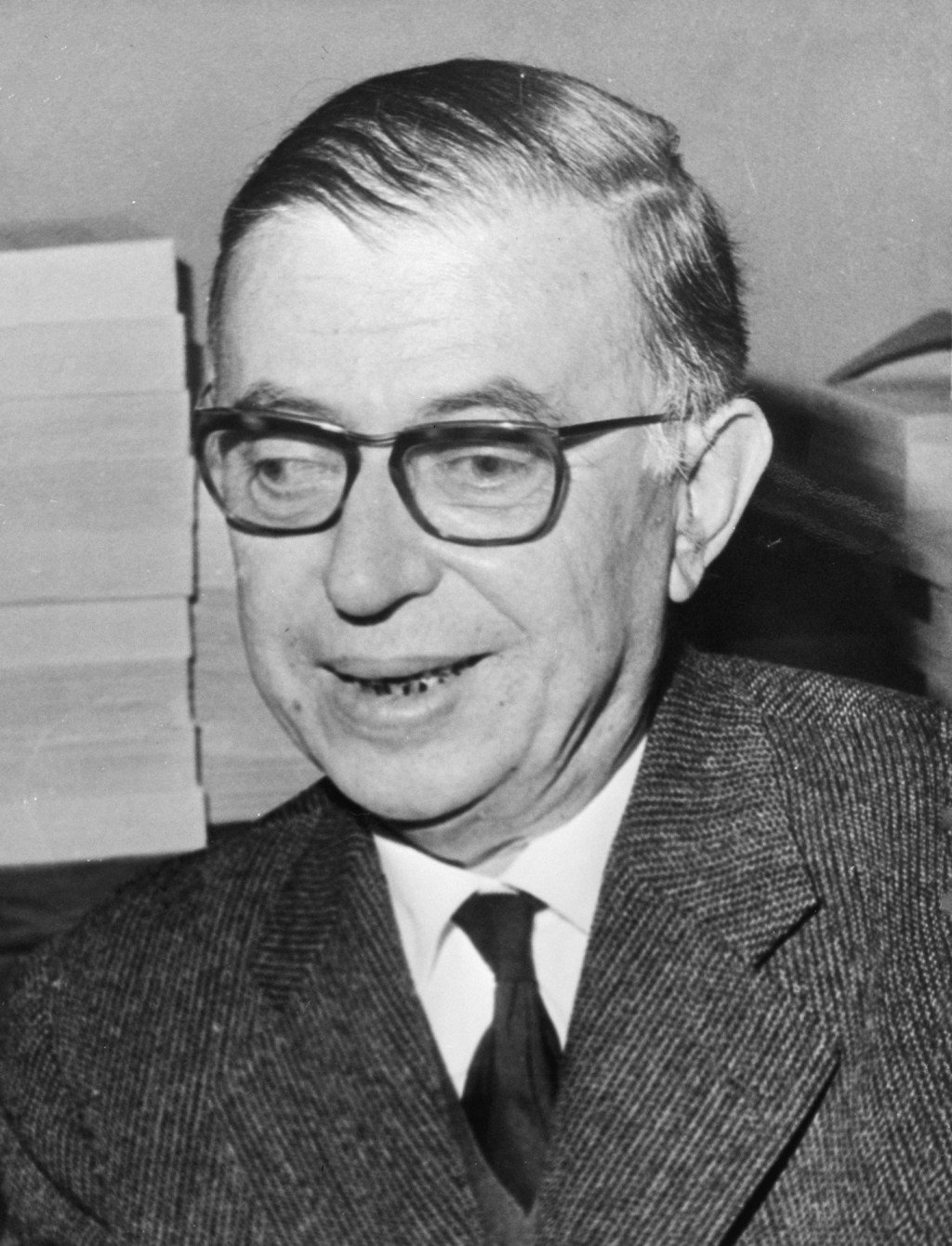
Jean-Paul Sartre (1905–1980) was a pivotal French existentialist philosopher whose works examined human freedom and responsibility in an indifferent universe. His book “Being and Nothingness” established foundational existentialist ideas. A prolific novelist and playwright, he also engaged in political activism and declined the Nobel Prize in Literature, emphasizing intellectual independence.
-
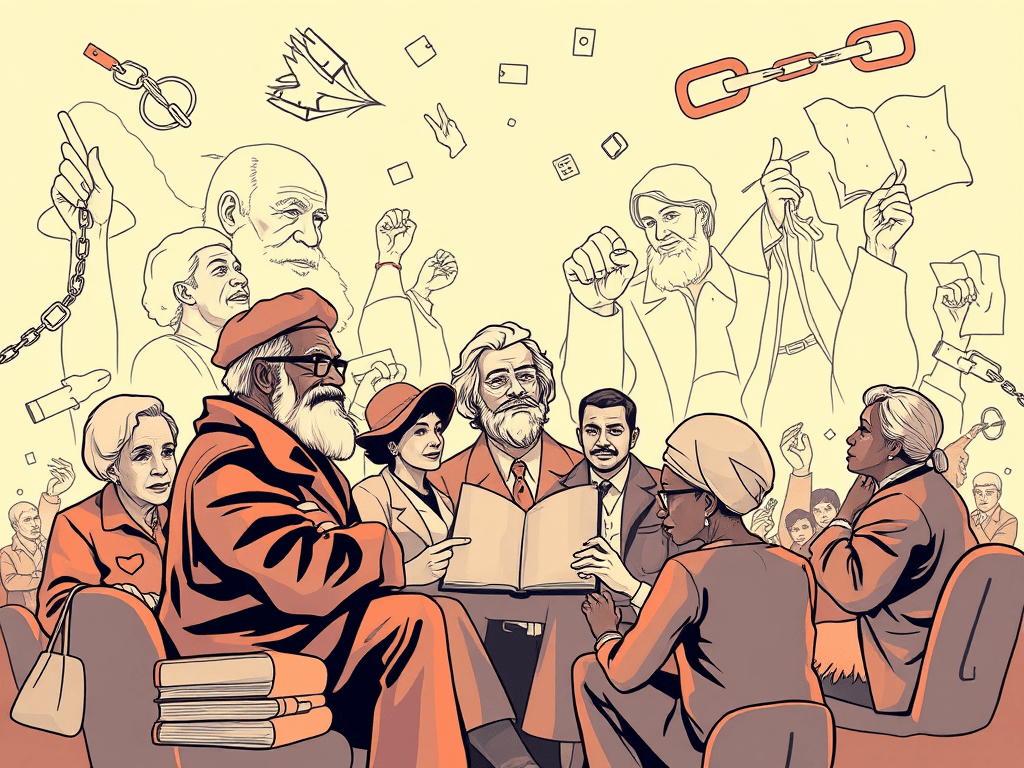
Marxist humanism emphasizes human freedom, drawing from early Marx’s ideas on alienation and emancipation. Emerging in the 1960s, it critiqued bureaucratic socialism, blending Marxism with Hegelian themes. The tradition addresses global issues like decolonization, ecology, and social justice, advocating for a socialism centered on human dignity and needs.
-

Félix Guattari (1930–1992) was a French psychoanalyst and philosopher renowned for co-authoring “Anti-Oedipus” with Gilles Deleuze, proposing schizoanalysis which critiqued capitalism’s effects on desire. His later works, like “The Three Ecologies,” promoted ecological and social justice, influencing contemporary philosophy, activism, and therapeutic practices until his death in 1992.
-
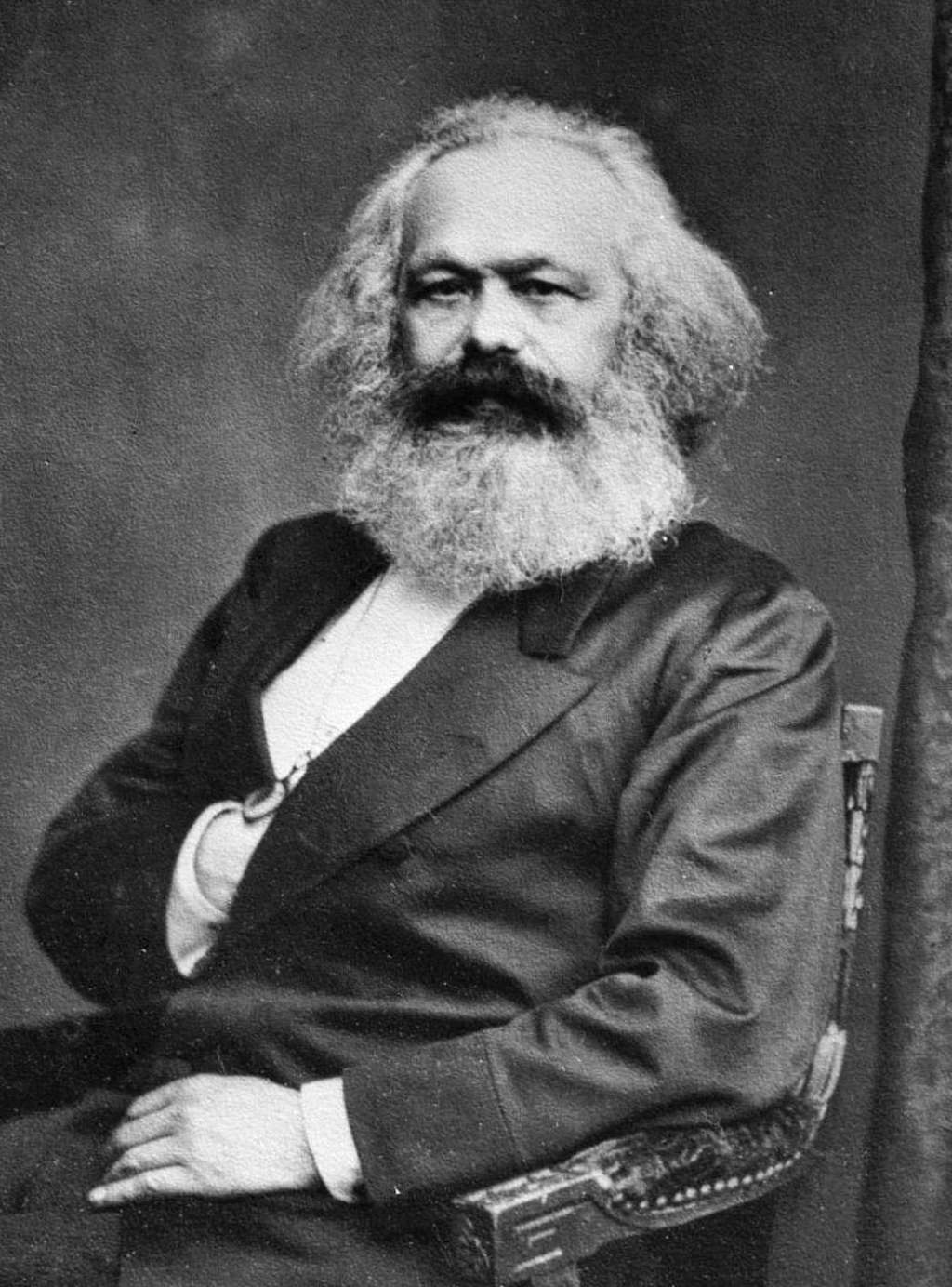
My Socialist Hall of Fame During this chaotic era of vile rhetoric and manipulative tactics from our so-called bourgeois leaders, I am invigorated by the opportunity to reflect on Socialists, Revolutionaries, Philosophers, Guerrilla Leaders, Partisans, and Critical Theory titans, champions, and martyrs who paved the way for us—my own audacious “Socialism’s Hall of Fame.” These…
-

Andreas Malm is a notable Swedish scholar, author, and associate professor whose work focuses on human ecology, environmental history, and political ecology. He examines the relationship between capitalism and climate change, advocating for radical climate activism. His influential writings include “Fossil Capital” and “How to Blow Up a Pipeline,” emphasizing ecological justice.
 Letters from Tomis