Philosophy
-

Gerald Allan Cohen (1941–2009) was a key political philosopher, known for reconciling Marxism with analytic philosophy. His works addressed historical materialism, justice, and egalitarianism, challenging libertarian and liberal theories. Cohen’s legacy influences contemporary debates on socialist justice, sustainability of inequality, and moral philosophy, emphasizing ethical commitment to equality.
-

Alan Woods’s The History of Philosophy: A Marxist Perspective offers a compelling synthesis of two millennia of philosophy, arguing it evolves through contradictions shaped by societal development. It effectively connects historical thinkers to Marxist principles, serving as both an educational tool and a critique of intellectual traditions, essential for anyone studying philosophy critically.
-
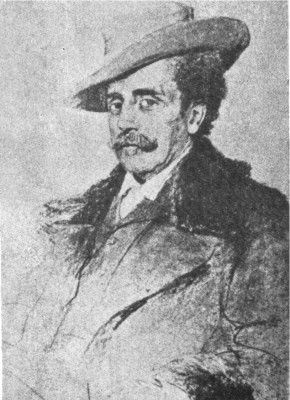
Antonio Labriola emerged as a pivotal figure in Italian Marxism, advocating for historical materialism as a critical method rather than a doctrine. His intellectual independence influenced both Benedetto Croce and Antonio Gramsci, emphasizing praxis and collective human activity. Labriola’s works reshaped socialism, linking theory with political education amid Italy’s socio-political turmoil.
-
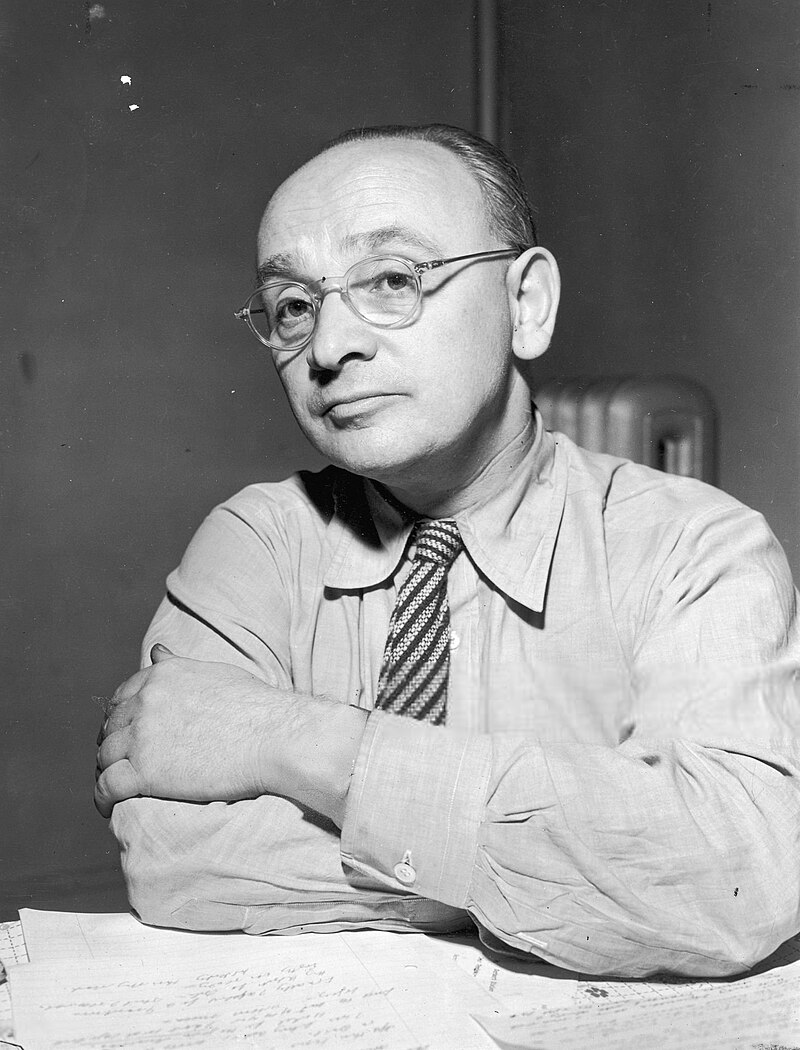
Gerhart Eisler (1897–1968), a German communist intellectual and operative, navigated the political landscape from Weimar Germany to the Cold War. Known for his influential role in the Comintern and later in East Germany, his life reflects the complexities of Marxism, illustrating the tensions between revolutionary ideals and bureaucratic realities.
-

Bryan Magee’s The Philosophy of Schopenhauer is a comprehensive and clear study of Schopenhauer’s thought, emphasizing his influence on Western philosophy. Magee adeptly contextualizes Schopenhauer’s ideas while making complex concepts accessible. The work’s interdisciplinary relevance and critical engagement with Schopenhauer’s limitations make it an essential read for scholars and students alike.
-
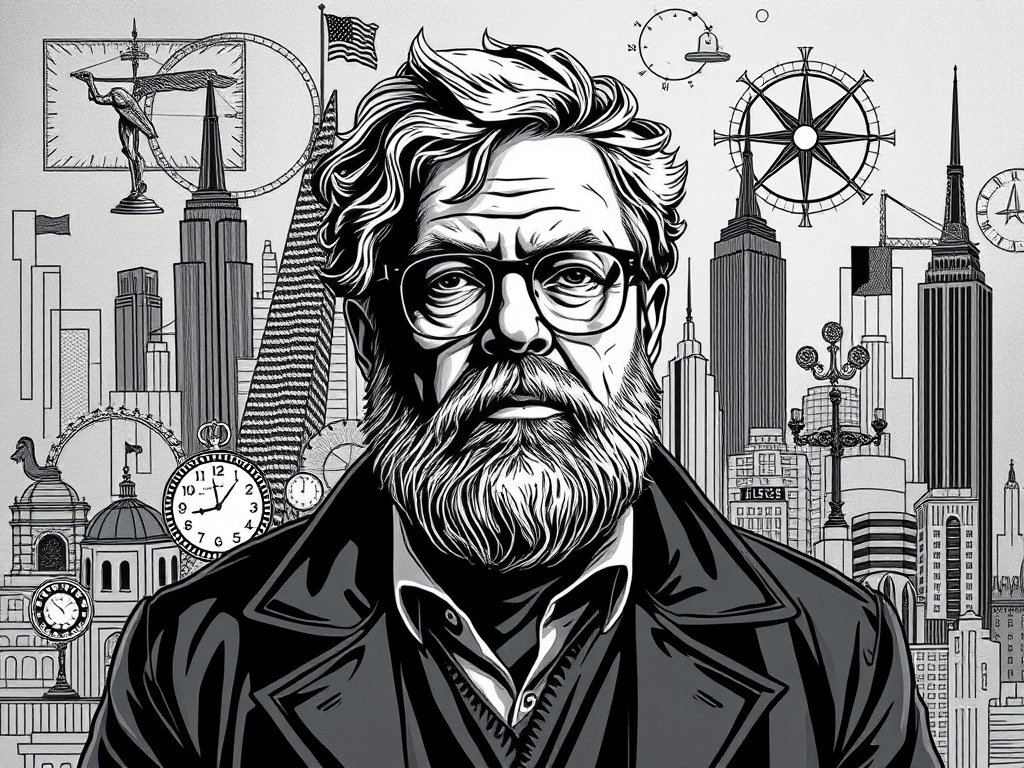
Frederic Jameson’s Postmodernism examines late capitalism’s cultural dynamics, identifying postmodernism as a critical ideological manifestation. While praised for its historical materialism, it lacks a revolutionary praxis, offering diagnostics instead of solutions. Jameson emphasizes the need for cognitive mapping but fails to connect these ideas with grassroots political action, ultimately serving as a theoretical lens rather…
-
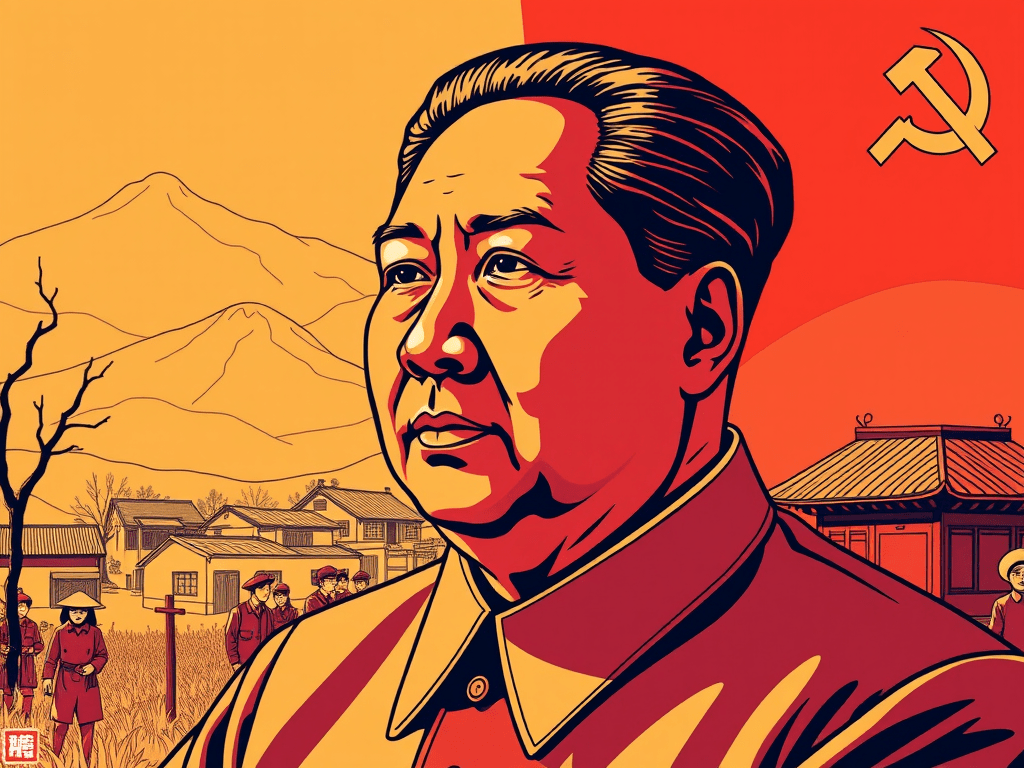
The Chinese Communist Party (CCP) underwent significant ideological evolution under Mao Zedong from 1921 to 1976, adapting Marxism-Leninism to Chinese realities. Key innovations included Mao Zedong Thought, the Mass Line, peasant-centered revolution, and democratic centralism. These concepts shaped the CCP’s strategies, aimed at socialist construction, continuous class struggle, and integrating theory with practice.
-

Structural Marxism emerged in the 1960s, critiquing Stalinist economism and humanist Marxism through thinkers like Althusser and Poulantzas, who emphasized social structures’ supremacy over individual agency. Their theories on ideology, state, and class struggle remain relevant today, informing analyses of modern capitalism and emphasizing the significance of ideological apparatuses and class relations.
-
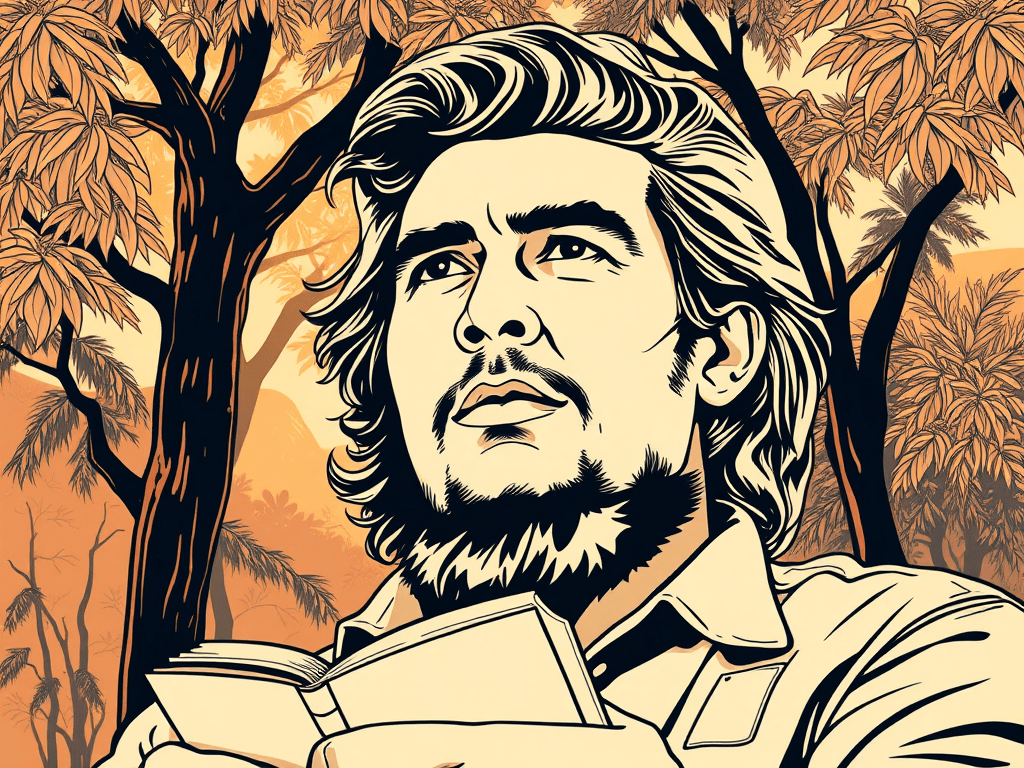
Ernesto Guevara’s “Socialism and Man in Cuba” is a pivotal essay that articulates a humanist vision of revolutionary socialism. It emphasizes moral transformation, collective commitment, and the concept of the “new man,” advocating for a socialism rooted in ethical engagement rather than materialism. Guevara’s insights remain relevant today, inspiring ongoing social justice and socialist movements.
-
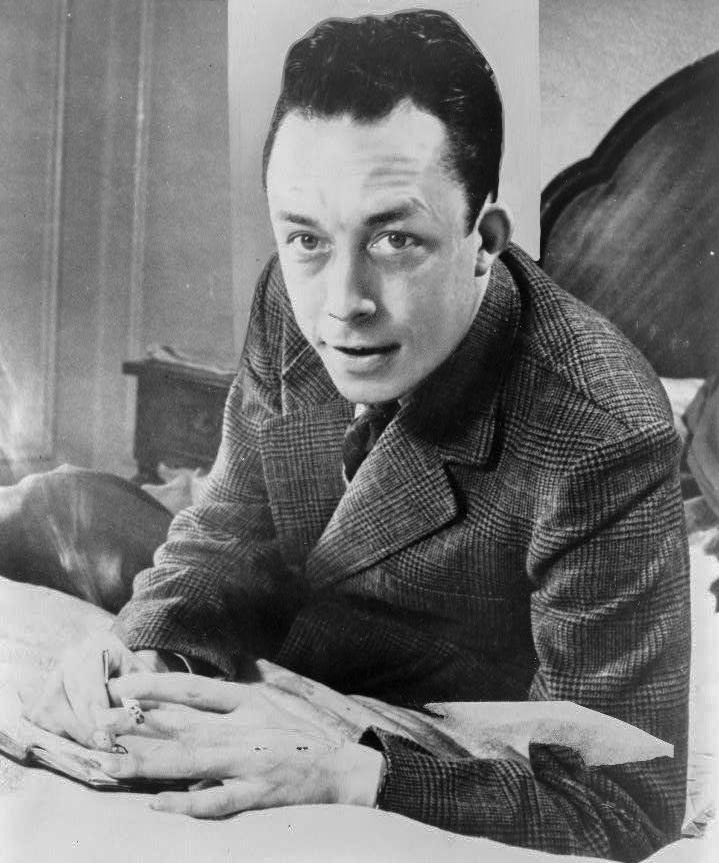
Albert Camus was born in Algeria in 1913 and faced poverty after his father’s death in WWI. He excelled in academics and became involved in politics and theater in the 1930s. Key works like “The Stranger” and “The Myth of Sisyphus” reflect his absurdist philosophy. A Nobel laureate, he remains influential for his ethical stance…
 Letters from Tomis