Marxism
-
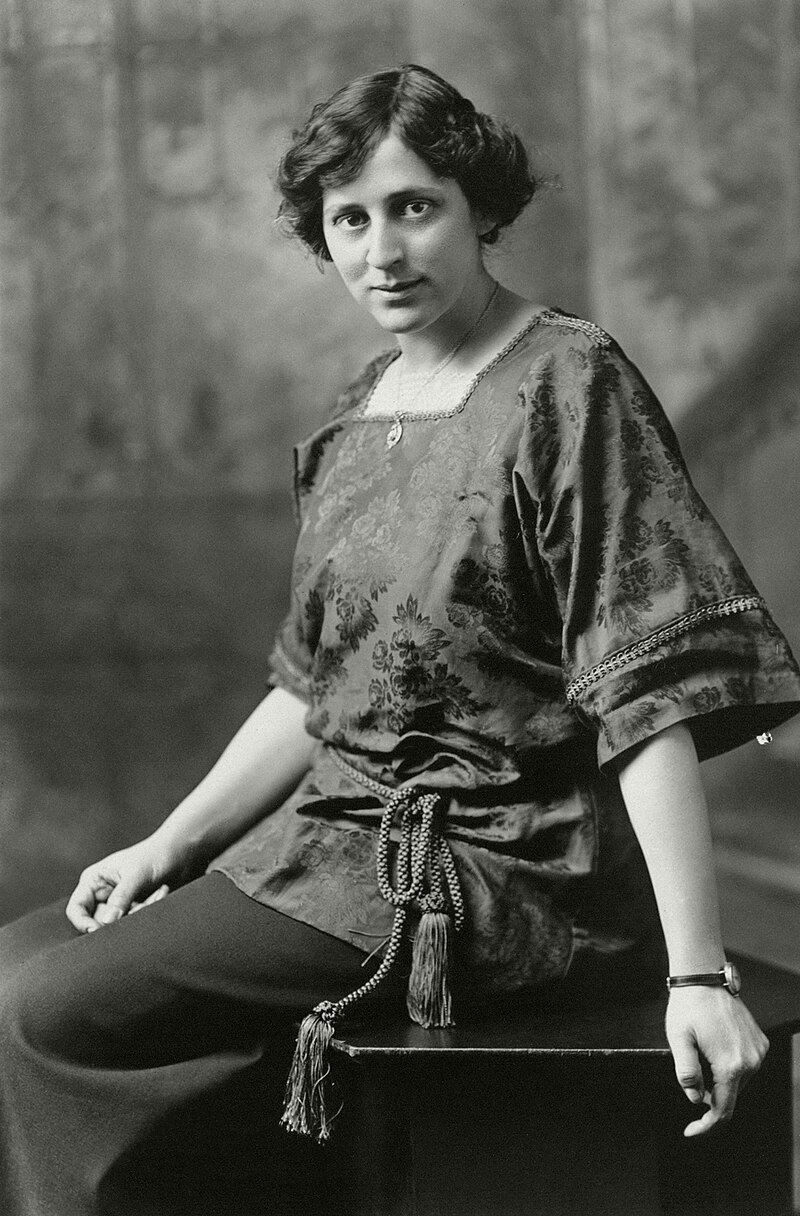
Crystal Eastman (1881–1928) was a pioneering radical intellectual, lawyer, journalist, and co-founder of the ACLU. Her advocacy combined socialism and feminism, focusing on workers’ rights, anti-militarism, and civil liberties. Despite her significant contributions, Eastman’s remarkable impact on feminist and socialist movements remains widely unrecognized today.
-
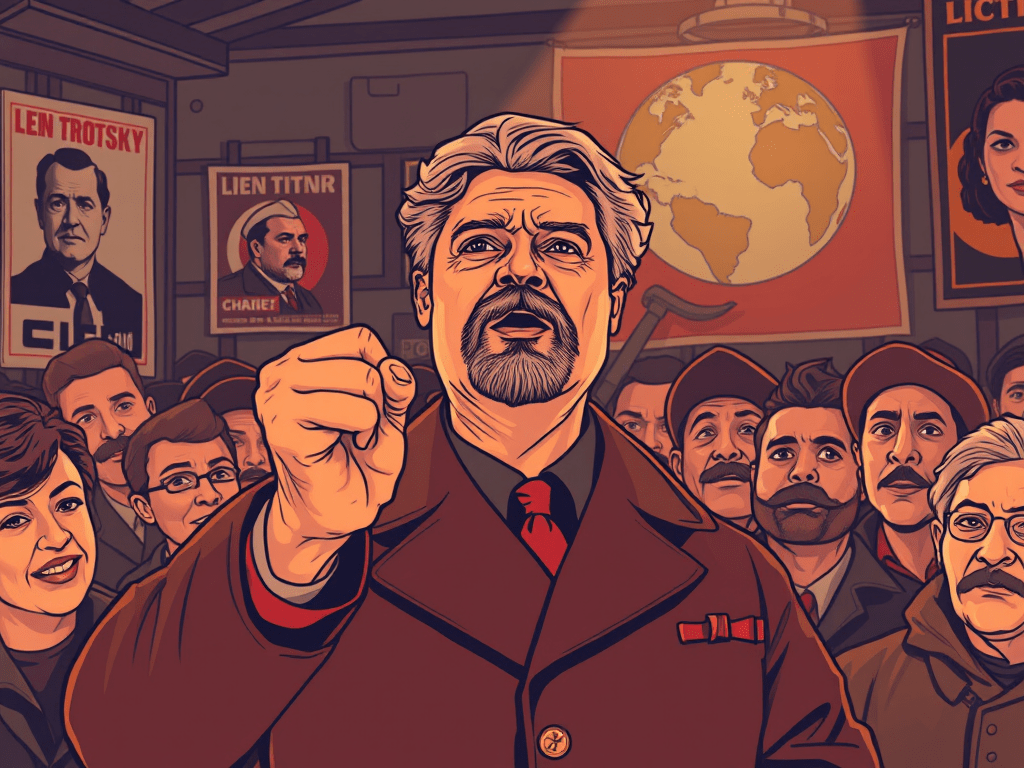
The essay analyzes the rise and fall of the Fourth International, founded by Trotsky in 1938. It argues that post-Trotsky leadership’s sectarianism and bureaucratic methods led to its degeneration. Ted Grant’s faction is highlighted as a true continuation of Trotskyism, advocating for adapting Marxist theory to current conditions and preserving revolutionary integrity.
-

My Socialist Hall of Fame During this chaotic era of vile rhetoric and manipulative tactics from our so-called bourgeois leaders, I am invigorated by the opportunity to reflect on Socialists, Revolutionaries, Philosophers, Guerrilla Leaders, Partisans, and Critical Theory titans, champions, and martyrs who paved the way for us—my own audacious “Socialism’s Hall of Fame.” These…
-

The lecture critiques finance as a central pillar of capitalism, extracting value rather than producing. It traces financial capital’s evolution, highlighting Marx, Engels, and Lenin’s analyses of its role in global exploitation and class struggle. To dismantle capitalism, it argues for abolishing finance, rejecting reform, and empowering workers through organized resistance.
-

Ruth Fischer was a pivotal figure in the early European communist movement and a leader of the German Communist Party during the Weimar Republic. Her contributions reflected the tensions within revolutionary Marxism. After her expulsion from the KPD, she became an anti-Stalinist critic, publishing significant works. Fischer’s legacy illustrates the complexities of 20th-century revolutionary politics.
-

Alfred Rosmer (1877–1964) was a key yet overlooked figure in early 20th-century socialist movements. A French trade unionist and anti-war activist, he evolved from anarcho-syndicalism to Bolshevism and Trotskyism. His legacy includes advocating for workers’ internationalism, historical scholarship, and principled opposition to Stalinism, reflecting essential revolutionary struggles.
-

Benjamin Jefferson Davis Jr. (1903–1964) was an influential African American lawyer and Communist activist who served on the New York City Council. His legal work challenged Jim Crow laws, and he became prominent in leftist politics. Convicted under the Smith Act, Davis continued advocating for civil rights until his death, leaving a significant legacy.
-
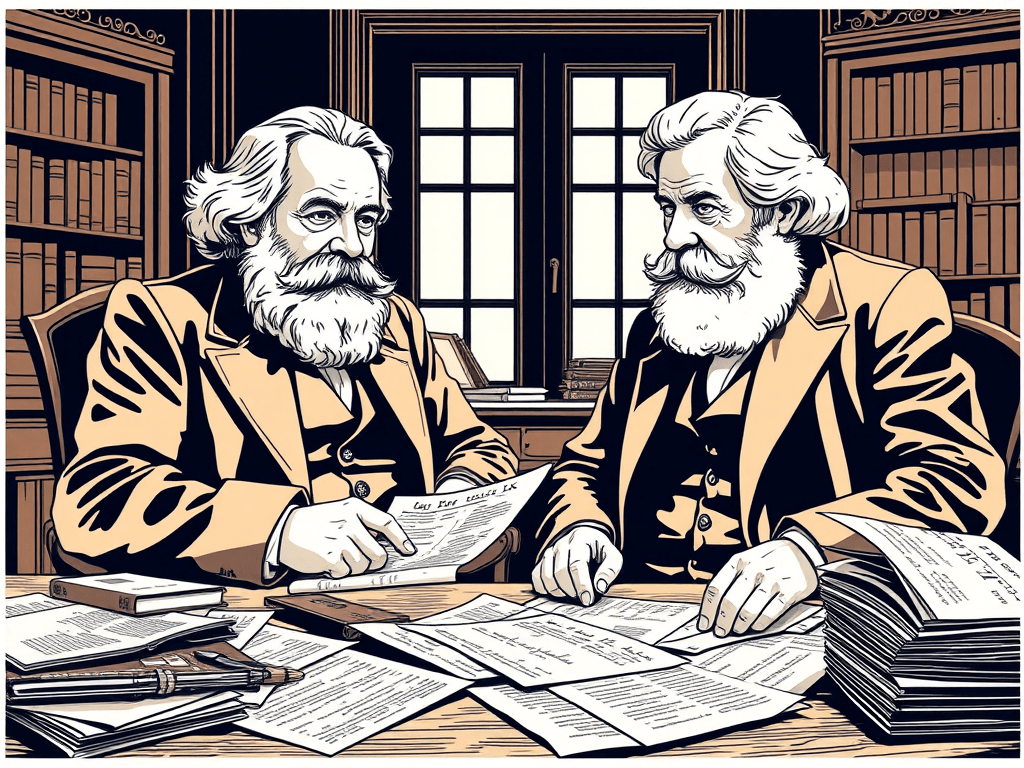
“The Civil War in the United States,” edited by Andrew Zimmerman, is a foundational Marxist analysis by Marx and Engels of the American Civil War, emphasizing class struggle. It offers insights into the war’s implications for international working-class movements and cautions against sectarianism, advocating for solidarity and concrete analysis amid bourgeois-democratic struggles.
-

Cedric James Robinson (1940–2016) was a pivotal political theorist and scholar whose work transformed the study of race, capitalism, and political thought. Notable for developing Black Marxism and the Black Radical Tradition, his contributions challenged Eurocentric narratives, emphasizing African cultural epistemologies and the intertwined nature of racial and economic oppression.
-
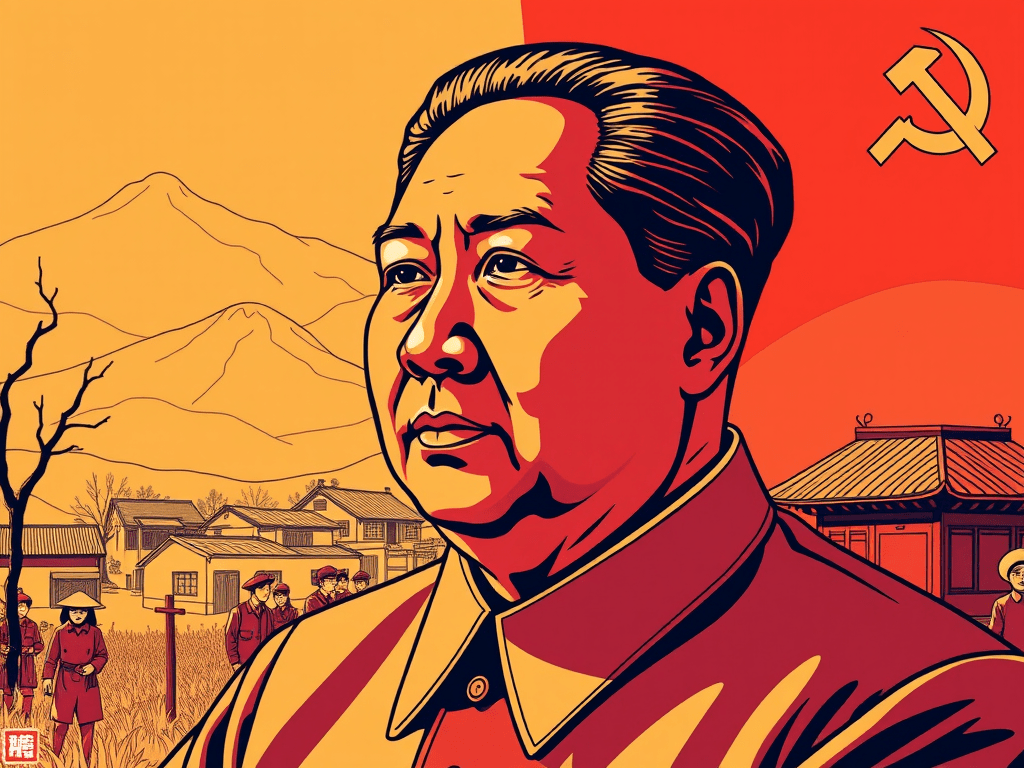
The Chinese Communist Party (CCP) underwent significant ideological evolution under Mao Zedong from 1921 to 1976, adapting Marxism-Leninism to Chinese realities. Key innovations included Mao Zedong Thought, the Mass Line, peasant-centered revolution, and democratic centralism. These concepts shaped the CCP’s strategies, aimed at socialist construction, continuous class struggle, and integrating theory with practice.
 Letters from Tomis