Marxism
-
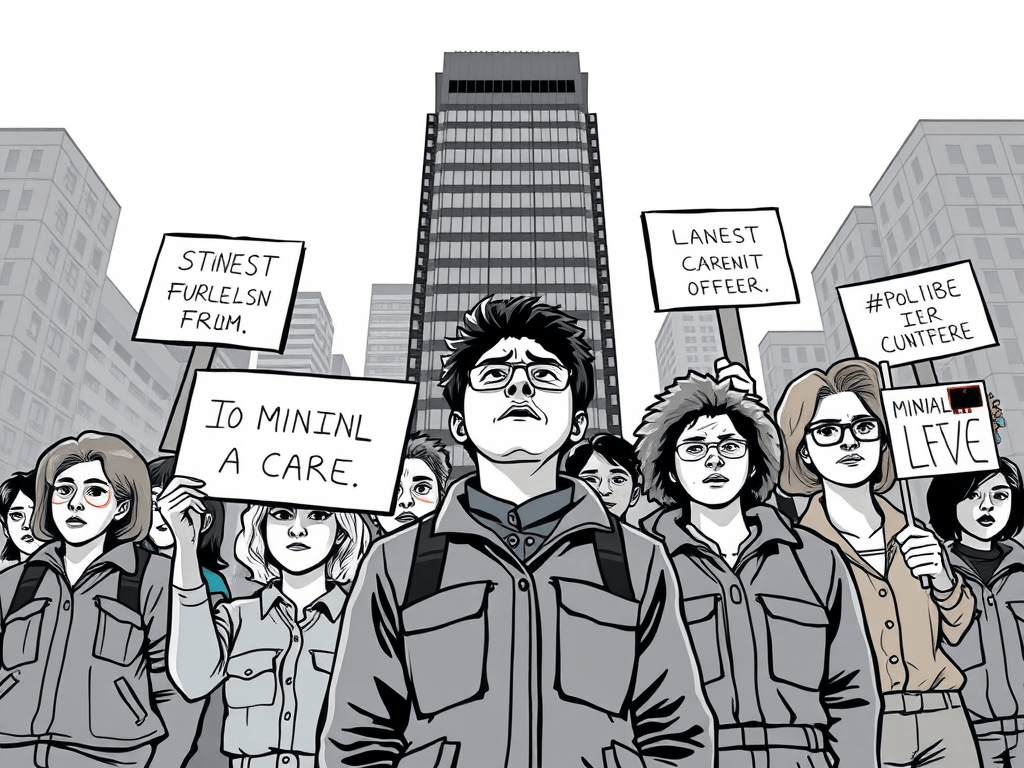
The human spirit endures injustices but may erupt against minor affronts that symbolize deeper frustrations. Workplace indignities often catalyze rebellion, revealing collective strength. Small incidents crystallize everyday humiliations, igniting strikes as workers reclaim their dignity. These actions affirm worth and humanity, highlighting a fundamental truth about resistance against oppression.
-

The shooting of the UnitedHealthcare CEO highlights the moral decay of a society rife with contradictions of late capitalism. This act reveals systemic injustices, as capitalism’s legal framework obscures exploitation. Violence is not a solution but a symptom of despair, stemming from a healthcare system that prioritizes profit over human life.
-
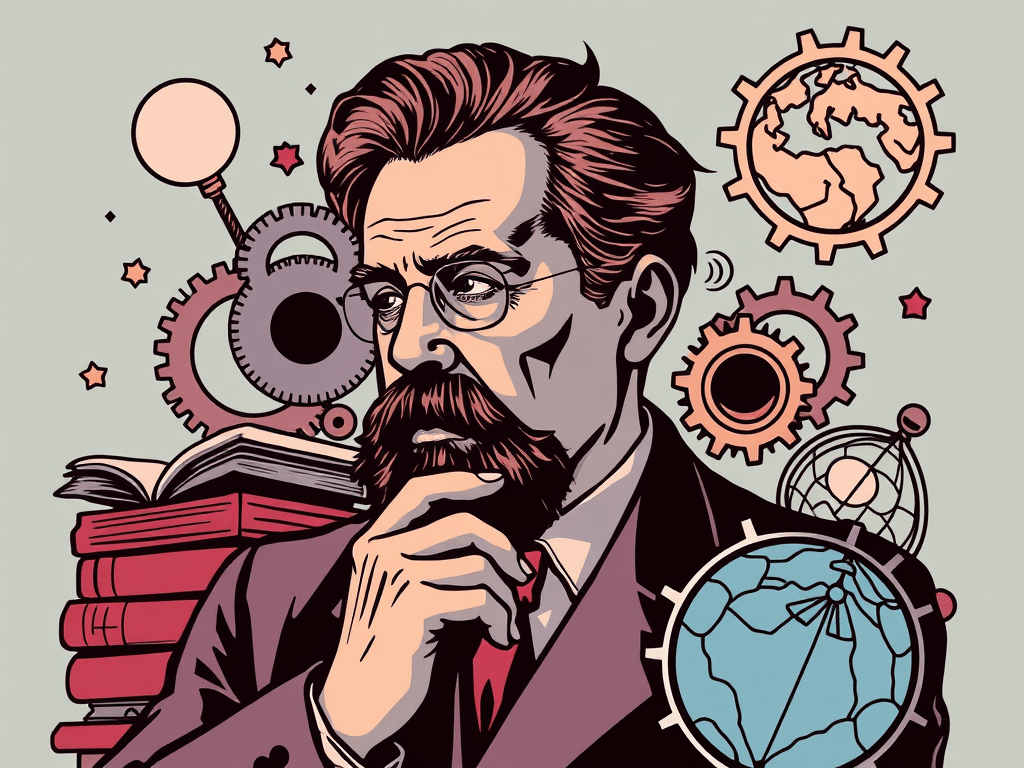
In the tenth installment of reflections on What is Marxism by Sewell and Woods, Trotsky’s The ABC of Materialist Dialectics is praised for its clarity and passion. It connects philosophical concepts with class struggles, viewing contradictions as catalysts for change. Trotsky offers a dynamic approach to dialectics, urging critical thought and action for social transformation.
-

Formal logic, often overlooked, is essential for clear thinking and moral reasoning, providing rigorous principles for valid arguments. Originating from Aristotle, it serves both philosophy and society by exposing unexamined assumptions and fallacies. In an age of emotional discourse, its principles are vital for distinguishing truth from confusion and fostering intellectual clarity.
-
Declaring oneself a Marxist today invites skepticism due to historical misuses of Marxism. However, the author embraces a critical and ethical Marxism that critiques power structures and capitalism’s inherent contradictions. This perspective promotes human dignity, challenges the status quo, and insists on the necessity of exploring alternatives to injustice and inequality.
-

The reflections explore the complex concept of dialectics, emphasizing its historical evolution from ancient Greek argumentation to Marx’s material interpretation. Dialectics challenges simplifications, urging a nuanced understanding of contradictions in human thought and society. Embracing dialectics requires intellectual rigor and readiness to confront complexity in pursuit of truth and personal growth.
-

The author critiques philosophical idealism, arguing it’s a dangerous distraction that prioritizes abstraction over material reality. Idealism’s solipsism shapes history as an unfolding of ideas, neglecting the impact of material struggles. In contrast, materialism emphasizes understanding and transforming the world based on tangible conditions, asserting that ideas emerge from reality, not the reverse.
-

Euripides’ play Orestes, written in 408 BCE, explores themes of class struggle and societal dynamics through a Marxist lens. The protagonists Orestes and Electra grapple with moral crises stemming from their aristocratic lineage. The play critiques the ruling elite’s corruption and the societal institutions that perpetuate inequality, urging viewers to question their own societal norms.
-

Materialism posits that matter is the essence of reality, challenging superstitions and promoting evidence-based understanding. It advocates for self-created meaning and emphasizes ethical responsibilities, particularly in social justice. Critics argue it is bleak, yet it empowers individuals to confront reality, fostering dignity and progress in an indifferent universe.
-

The discussion explores the nature of “common sense” versus philosophy, arguing that while common sense provides practical insights essential for survival, it lacks the depth and rigor of philosophical inquiry. Common sense should not be mistaken for universal truth; instead, it serves as a starting point for deeper exploration rather than a definitive worldview.
 Letters from Tomis