Marxism
-

In “China: From Permanent Revolution to Counter-Revolution,” John Peter Roberts examines China’s historical transformation under the Communist Party, emphasizing ideological and political shifts from Mao to Deng Xiaoping. His critique reveals the human costs and contradictions of China’s market economy while encouraging critical debate on socialism and capitalism’s future.
-

Rosa Luxemburg emphasized the “subjective factor” in Marxist theory, focusing on the working class’s consciousness and initiative as vital for revolutionary change. She opposed fatalistic views of history, arguing that active engagement and preparation of class consciousness are essential. The 1905 Russian Revolution demonstrated the necessity of this proactive approach for meaningful social transformation.
-
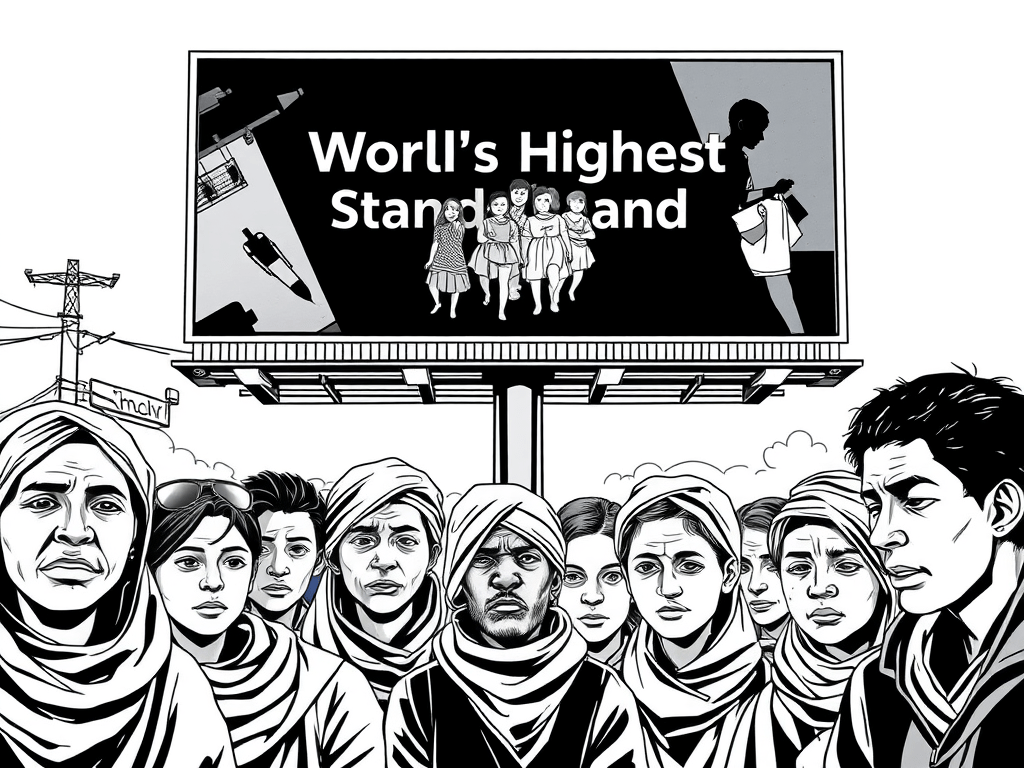
The concept of “under-consumption” highlights the paradox of poverty amidst abundance in capitalism, where overproduction leads to unsold goods while many lack means to purchase essentials. This systemic issue, rooted in class exploitation and wage suppression, consistently results in economic crises, revealing flaws in capitalist distribution, not consumer behavior.
-

Marxist theorists Lenin, Gramsci, and Luxemburg offered varied analyses of the state’s role in class societies. Lenin emphasized coercion and the necessity of a proletarian state, Gramsci focused on hegemony and ideological consent, while Luxemburg insisted on mass democracy. Despite differences, all agreed on revolution’s necessity to transcend class oppression.
-
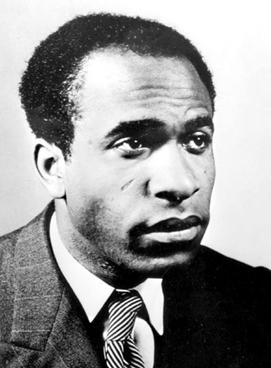
Frantz Fanon, born in 1925 in Martinique, was a significant figure influenced by French colonialism and his experiences as a psychiatrist during the Algerian War. His major works, including “Black Skin, White Masks” and “The Wretched of the Earth,” explored themes of racism, decolonization, and revolutionary thought, inspiring global anti-colonial movements. Fanon died in 1961.
-
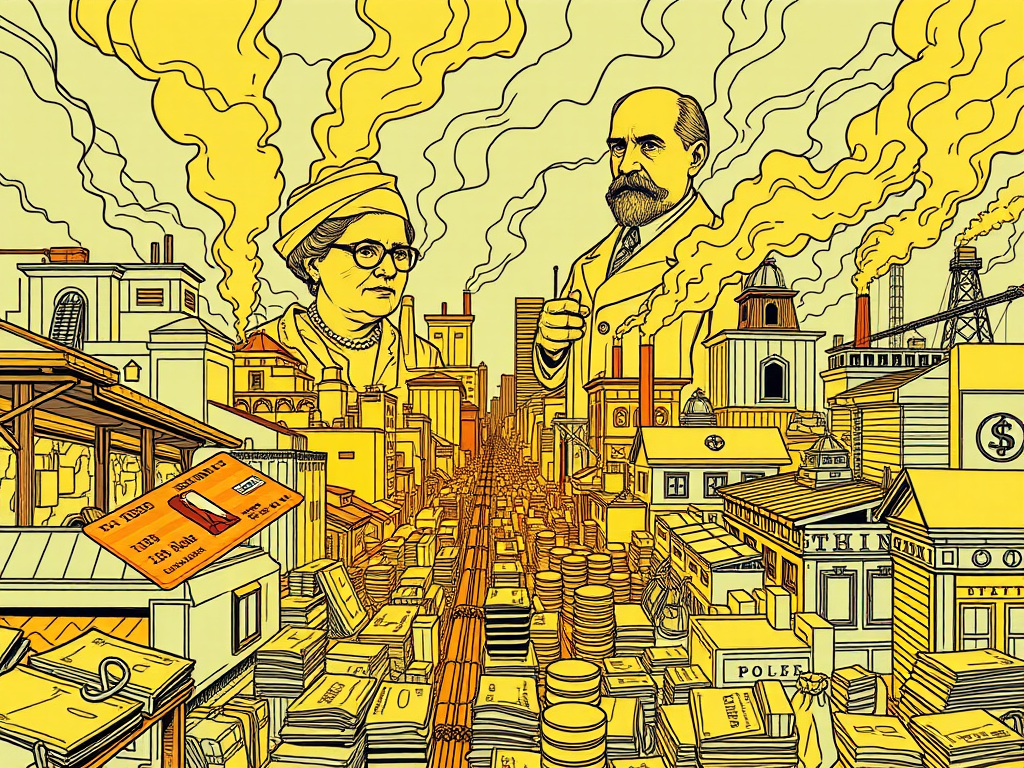
The content explores the dual nature of credit in capitalism, as both a lifeline and a noose. It critically examines how figures like Marx, Luxemburg, and Lenin understood credit as a mechanism allowing capitalism to expand and exploit, ultimately warning of inevitable crises due to unsustainable debt. The analysis highlights historical and contemporary global economic…
-

The article critiques capitalism’s taxation system through a Marxist lens, arguing it reflects class struggle, particularly benefiting the bourgeoisie at the expense of the working class. Marxists propose utilizing taxation as a tool for redistribution while advocating for deeper social change to abolish class divides. Taxation’s flaws highlight systemic inequalities in capitalist societies.
-
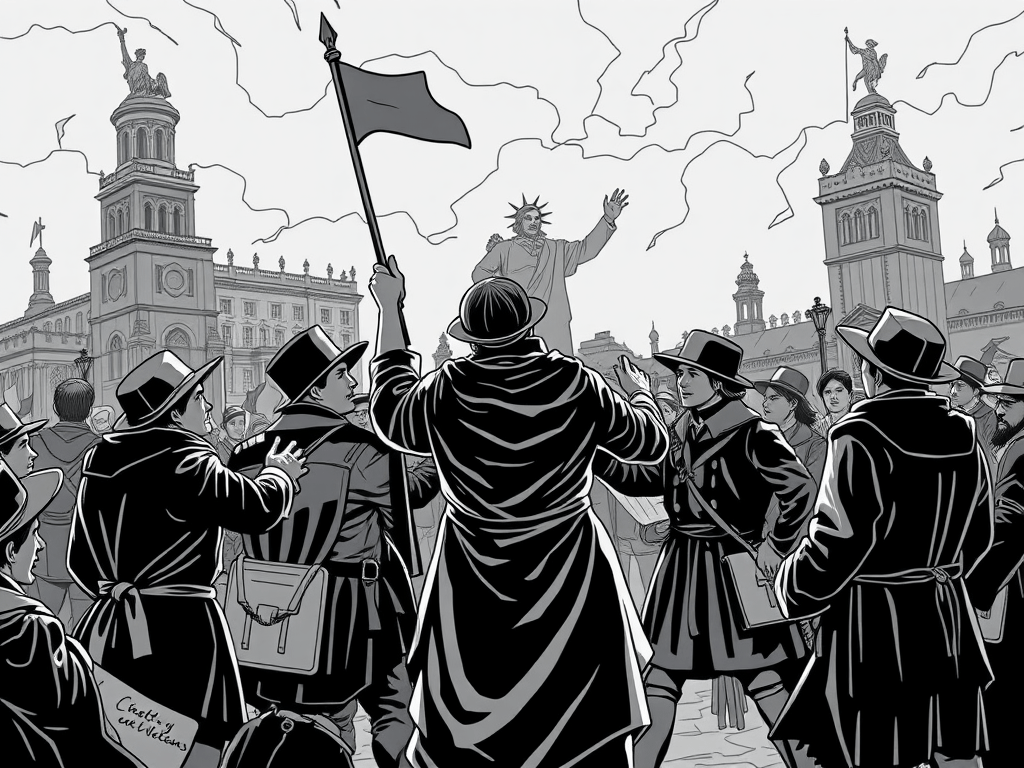
The essay critiques the bourgeoisie’s historical reliance on liberal democracy, arguing they now see it as outdated. Initially champions of democratic principles, they increasingly embrace authoritarianism to protect their privileges. Contemporary signs include rising authoritarianism, entrenched plutocracy, and disdain for public accountability, suggesting democracy’s utility for the bourgeoisie has waned.
-

Terry Eagleton, born in 1943, is a leading British literary theorist recognized for his Marxist interpretations of literature. His academic career spans prestigious institutions, with works that blend accessibility and wit. Defending Marxist critique against postmodernism, Eagleton examines ideology and culture through extensive publications, remaining a vital contemporary intellectual figure.
-
Rosa Luxemburg challenges the notion that socialists long for a pre-industrial past, asserting instead that socialism emerges from capitalism’s inherent tensions. She emphasizes the importance of embracing technological progress for the benefit of all, advocating for reforms like universal basic income. Luxemburg’s vision for socialism focuses on utilizing capitalism’s advances to create a more equitable…
 Letters from Tomis