Marxism
-
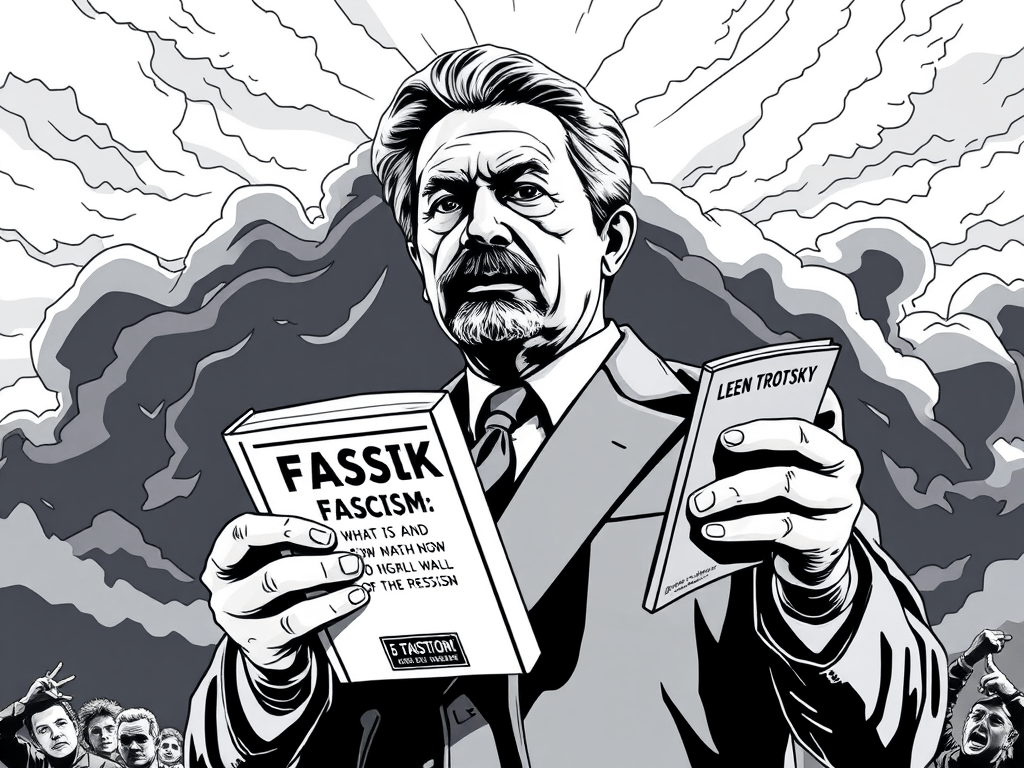
Leon Trotsky’s work, Fascism: What It Is and How to Fight It, analyzes the socio-economic factors leading to fascism’s rise, emphasizing the need for a united socialist response. Written in the 1930s, it offers insights relevant to contemporary political issues, advocating for class consciousness and proactive resistance against authoritarianism.
-
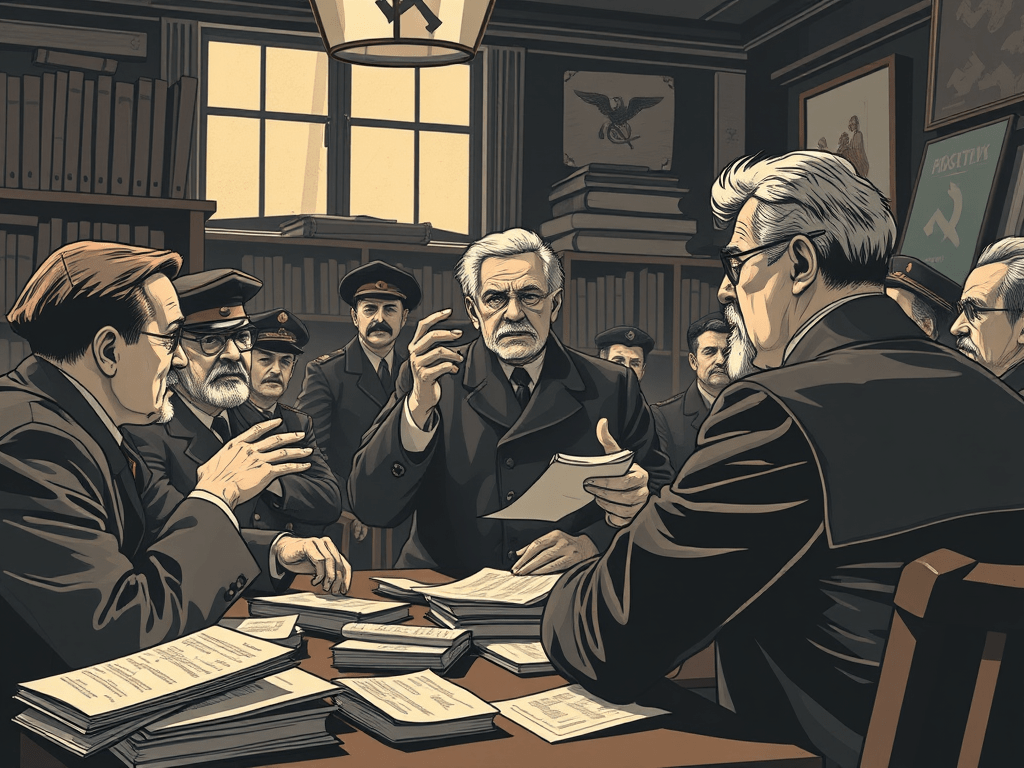
Leon Trotsky’s The Permanent Revolution critiques the necessity of mature capitalism for socialist revolutions, arguing that the proletariat can lead such movements. His analysis addresses differences within the Communist Party, particularly against Stalin’s policies. Despite editorial issues in the 2014 edition, the work remains essential for understanding Marxist theory and revolutionary dynamics.
-

The content explores how capitalism distorts human labor into abstract value through Karl Marx’s labor theory of value. It differentiates between absolute and relative surplus value, highlighting methods of exploitation. Marx’s insights reveal value as socially constructed, influenced by class struggle rather than individual preference, challenging the foundations of capitalist society.
-
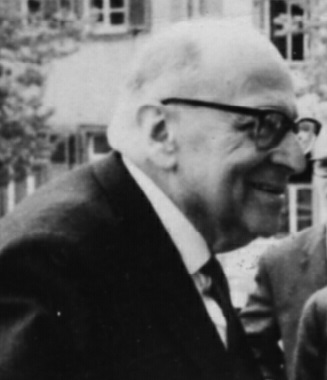
Max Horkheimer (1895–1973) was a prominent German philosopher and sociologist associated with the Frankfurt School. He critiqued modern capitalism and rationality, co-authoring the influential work “Dialectic of Enlightenment.” Exiled during Nazism, he returned after WWII, leaving a lasting impact on critical theory, cultural studies, and political philosophy.
-
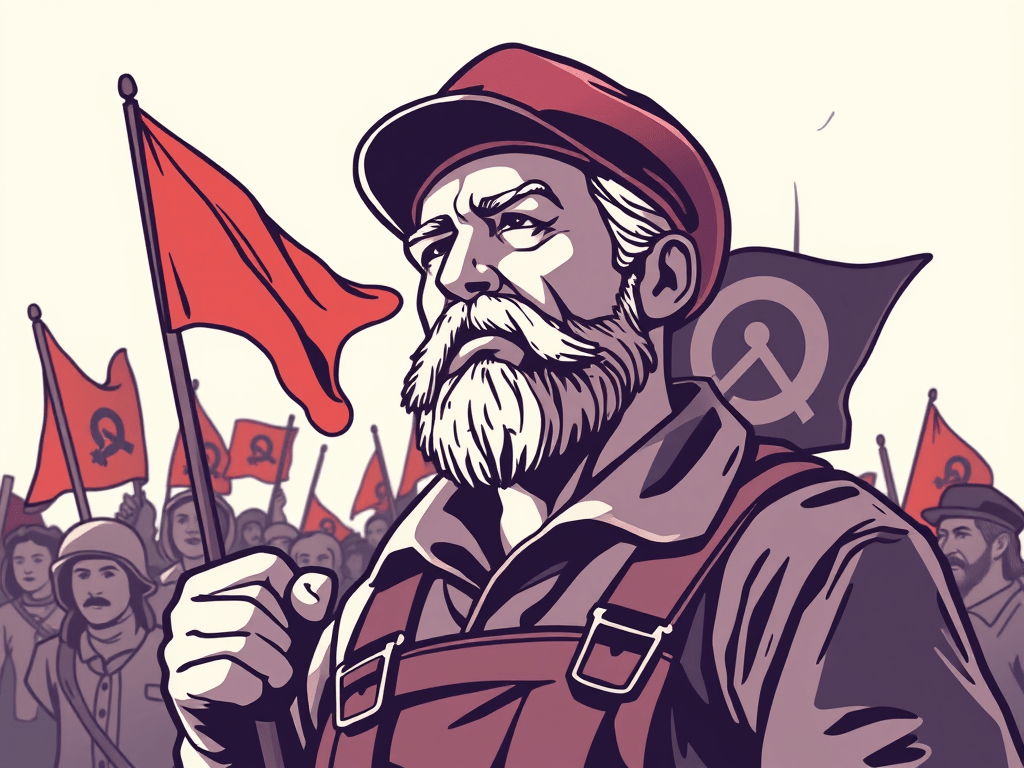
May Day embodies a complex legacy of worker celebration and exploitation, reflecting capitalism’s duality. While historically significant, it demands scrutiny rather than reverence. For Marxists, it symbolizes the struggle for dignity, freedom, and the right to leisure, urging contemporary society to confront who benefits from labor. This reckoning preserves its revolutionary promise.
-

Paul O’Flynn’s Them and Us in Literature examines how literature navigates identity, power, and otherness, utilizing diverse texts. Its interdisciplinary approach combines historical, sociological, and philosophical insights. O’Flynn critiques portrayals of “the other” while encouraging critical engagement, making it a vital resource for understanding literature’s impact on societal perceptions of inclusion and exclusion.
-
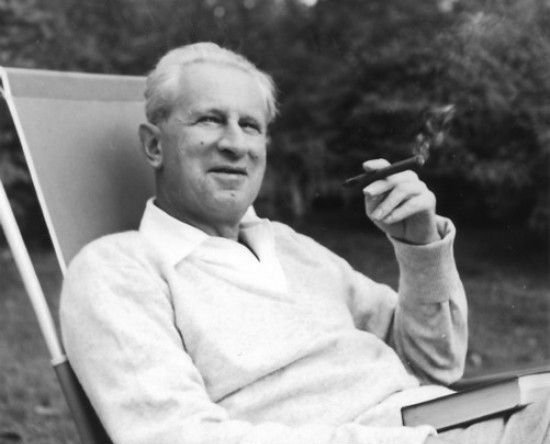
Herbert Marcuse, a German-American philosopher linked to the Frankfurt School, critiqued capitalist societies using Marxist and psychoanalytic theories. Influenced by Heidegger, he fled Nazism and gained fame in the 1960s with One-Dimensional Man, advocating for radical change. Marcuse’s work focused on ideological control, culture, and liberation until his death in 1979.
-

The evolution of psychology and psychiatry in the Soviet Union from the 1920s to the 1980s showcased a complex interplay of Marxist ideology and scientific inquiry. The fields experienced creative innovation amid ideological constraints, producing significant theories like Pavlov’s reflex theory and Vygotsky’s cultural-historical approach, which influenced global psychology despite periods of enforced conformity.
-
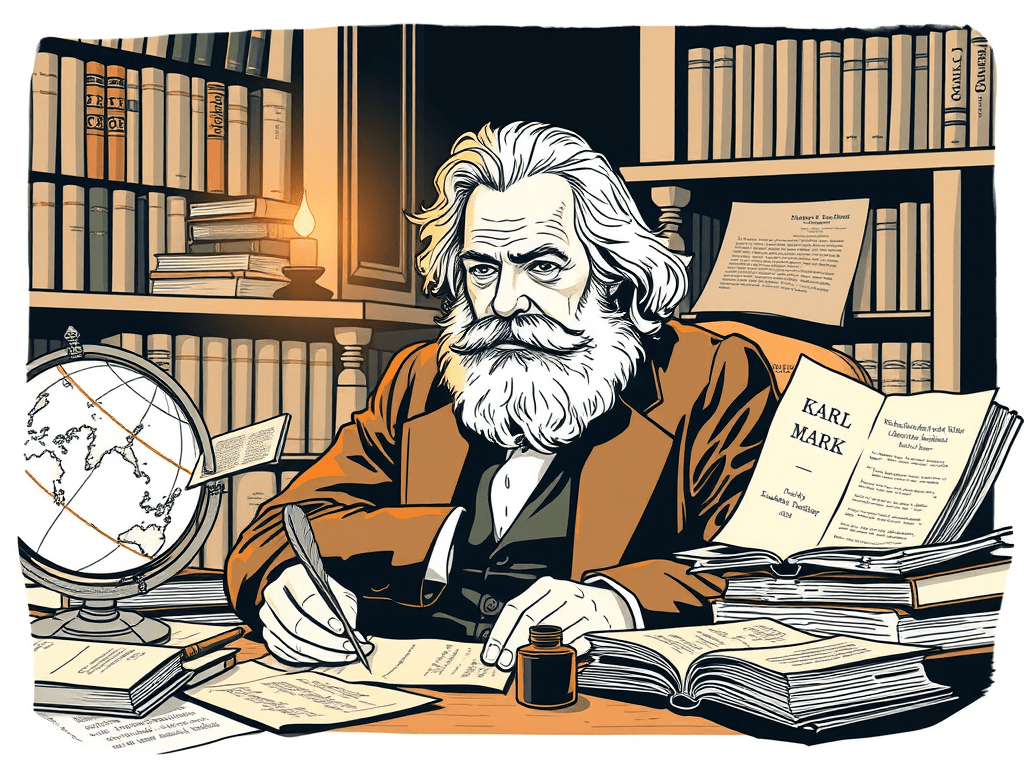
The text explores Marx’s theory of surplus value, asserting that profit under capitalism originates solely from labor. Marx critiques classical economics for failing to explain profit, emphasizing that surplus arises in production rather than circulation. By highlighting the exploitation of labor, he reveals how capital accumulates wealth through unpaid worker contributions.
-
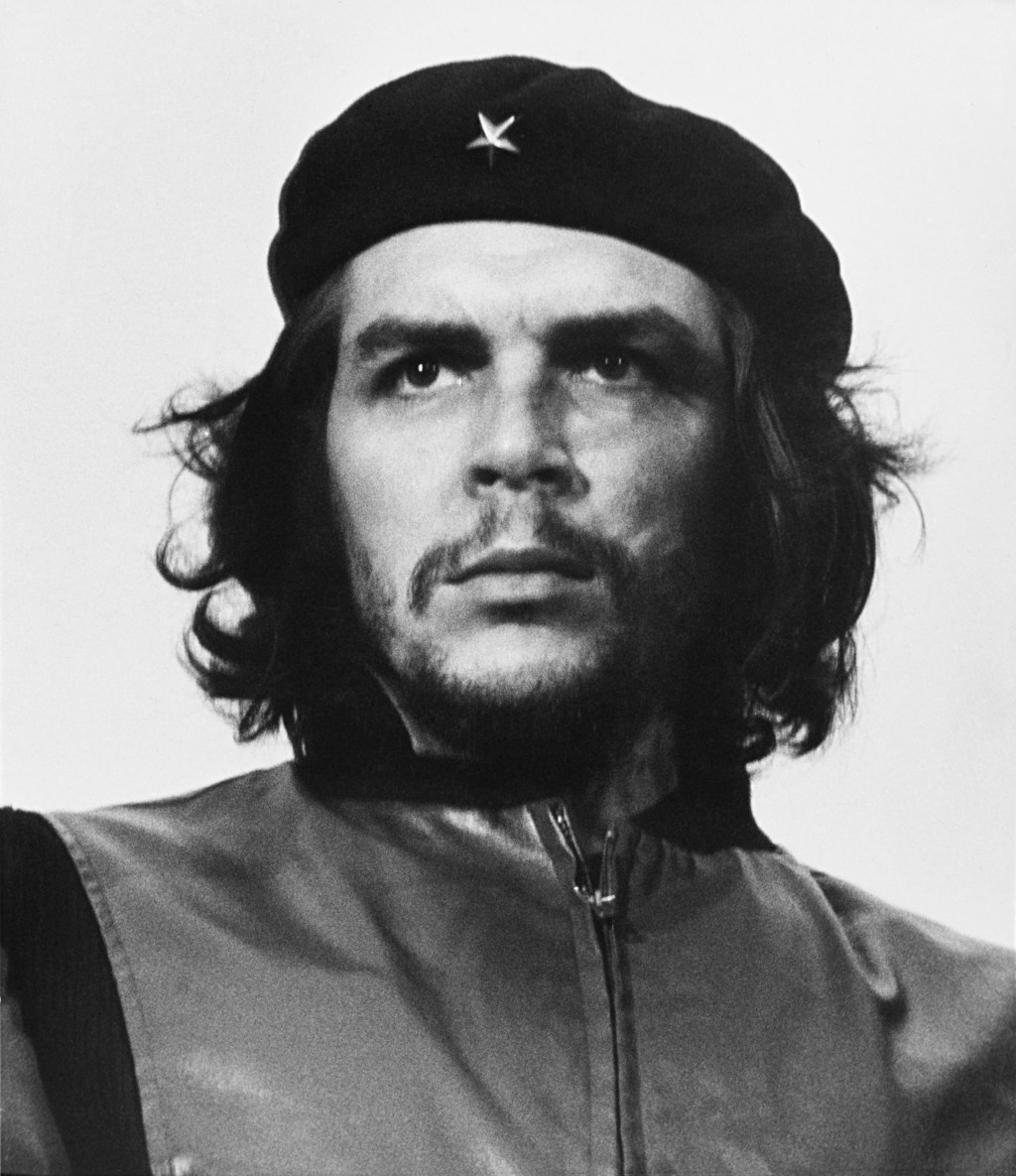
Ernesto “Che” Guevara (1928-1967) was an Argentine Marxist revolutionary and key figure in the Cuban Revolution. Influenced by social injustices during his travels, he joined Fidel Castro’s movement to overthrow Batista. Guevara sought global revolutions but was captured and executed in Bolivia. He is a polarizing icon of rebellion.
 Letters from Tomis