Marxism
-

The essay explores the evolving role of money in a future socialist society, building on Marxist theory. It argues that money, as a medium of exploitation under capitalism, would eventually wither away or transform in socialism, leading to direct social production and distribution. Initial transitional phases may involve labor vouchers, but these too would vanish…
-
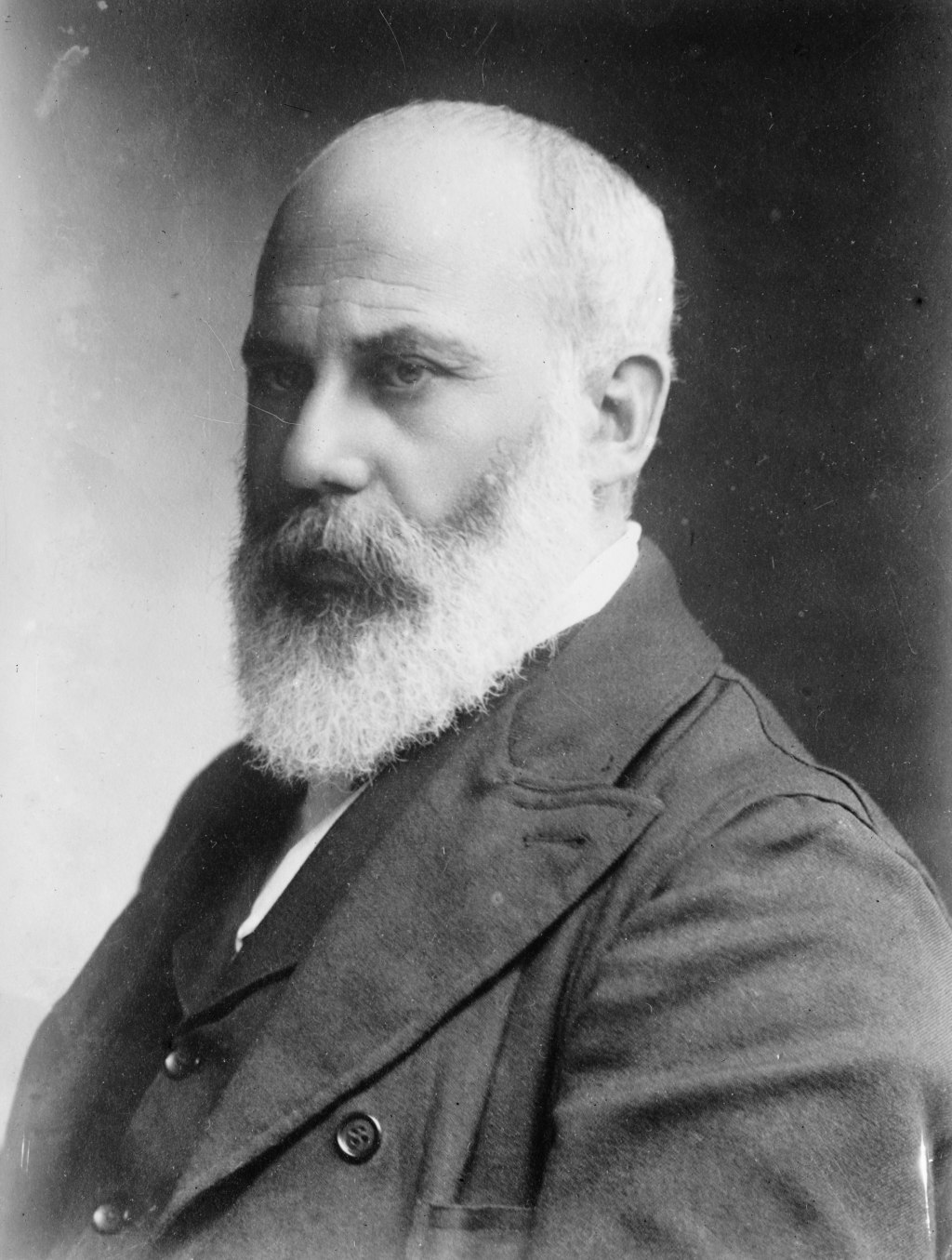
Daniel De Leon (1852–1914) was a significant American socialist theorist and labor organizer, known for developing De Leonism, which emphasized industrial unionism and political action. Educated in Europe, he contributed to socialist movements, founded the Socialist Trade and Labor Alliance, and influenced global socialist ideology. De Leon’s legacy continues to be relevant today.
-
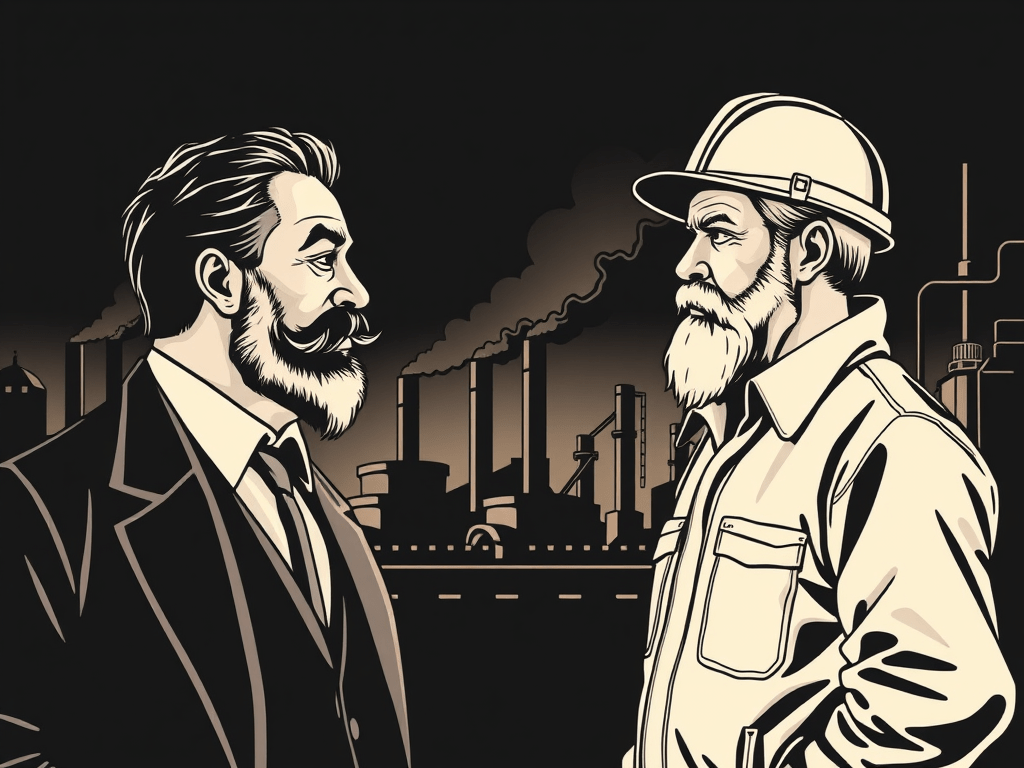
Karl Marx’s economic theories emphasize class struggle as the driving force behind societal change and historical evolution. Central concepts include the labor theory of value, surplus value, and historical materialism, which illustrate the antagonistic relationship between the bourgeoisie and proletariat. This conflict reflects broader socio-economic dynamics, ultimately predicting a revolutionary transition towards socialism and communism.
-
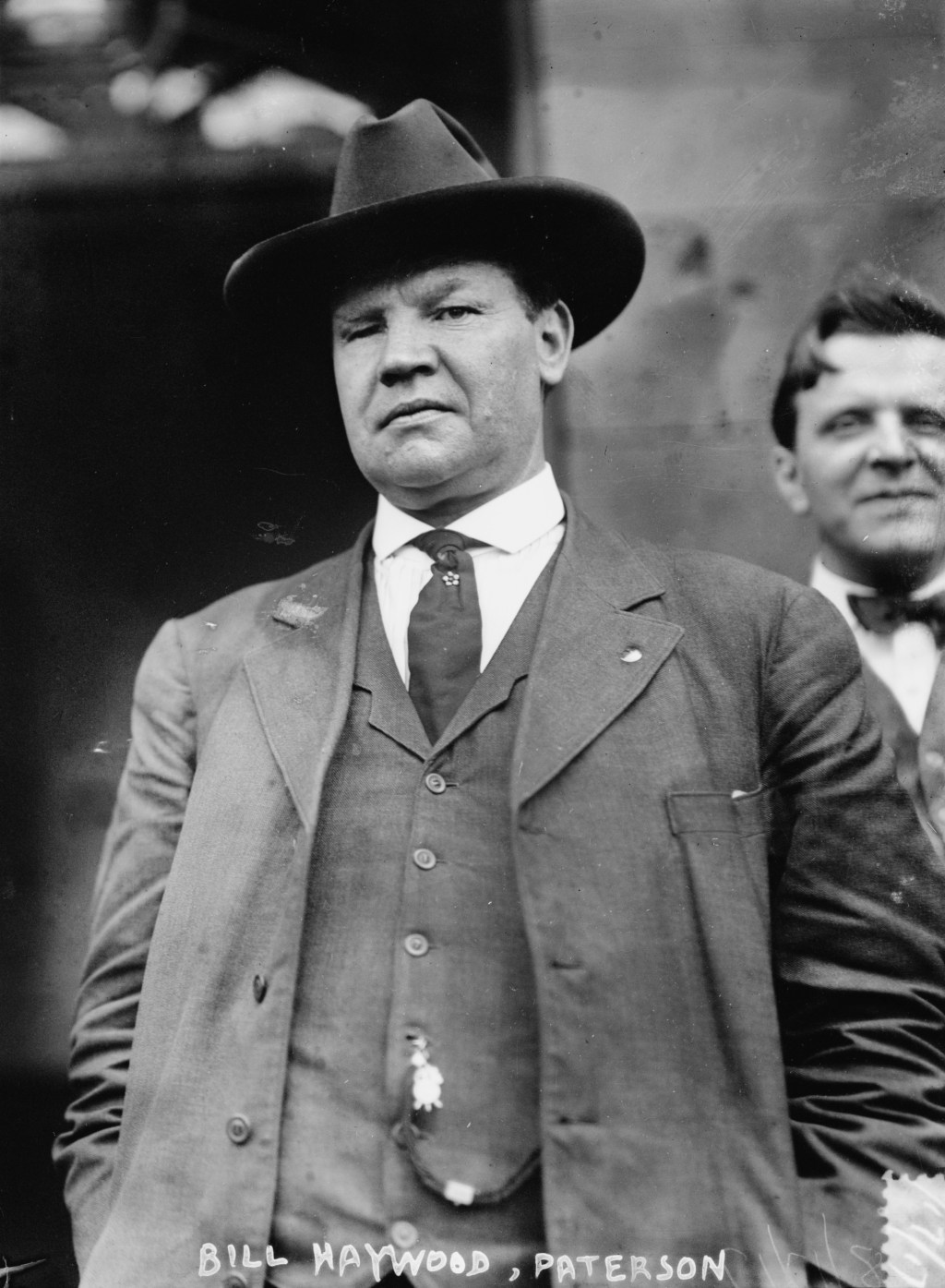
William Dudley Haywood, known as “Big Bill,” was a pivotal figure in American labor history. His advocacy for workers’ rights led to the founding of the Industrial Workers of the World (IWW). Haywood faced legal challenges due to his militant stance and eventually sought exile in Soviet Russia, where he continued to support labor movements…
-
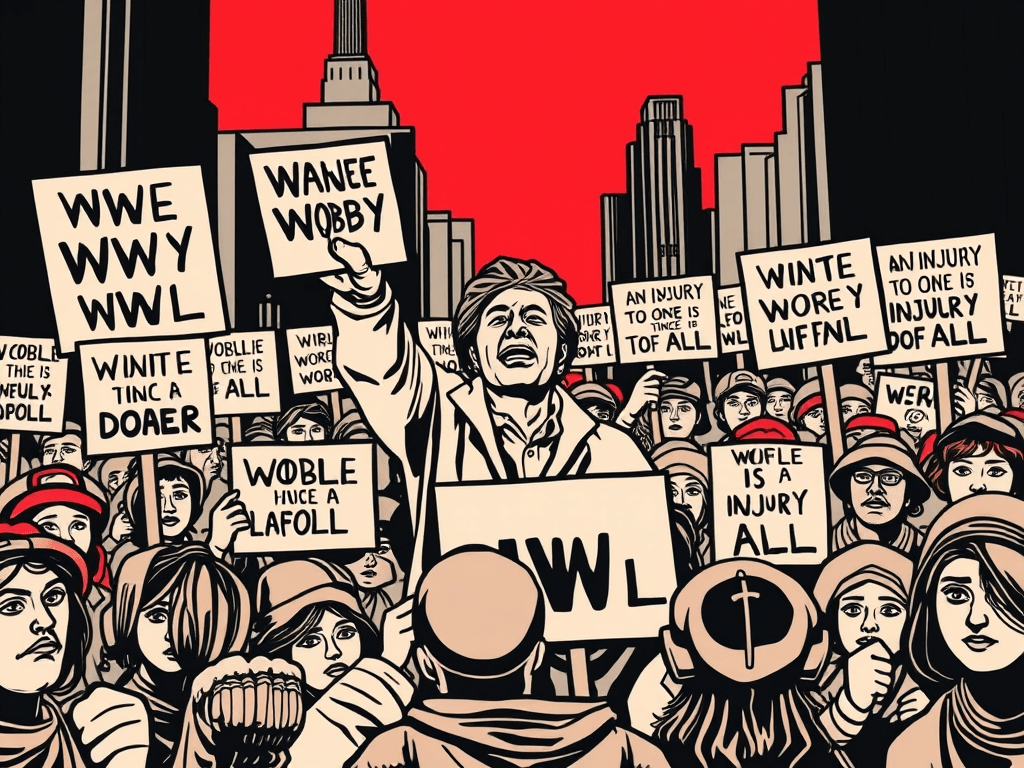
The Congress of Industrial Organizations (CIO) emerged as a powerful labor force between 1930 and 1945, largely due to the contributions of radical organizers and leftists, often disparaged yet pivotal in rallying unorganized workers. Their audacious tactics and commitment fostered significant gains in union representation amidst hostility from traditional labor leaders and the state.
-
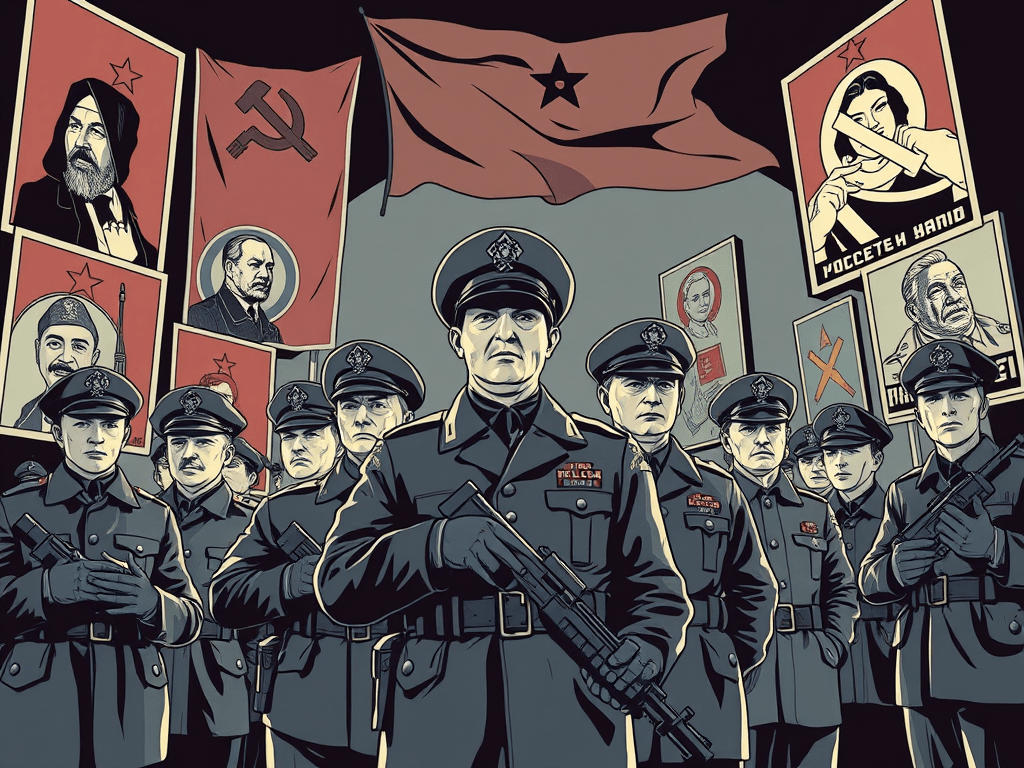
Between 1920 and 1940, Soviet law enforcement evolved significantly under Marxist-Leninist ideology, serving the Communist Party’s revolutionary goals. Institutions like the Cheka and NKVD enforced state security through extensive surveillance and brutal repression, targeting class enemies and dissenters. This ideological framework shaped a coercive policing system that instilled fear and compliance in society.
-

Imre Nagy (1896–1958) was a pivotal Hungarian communist politician during the 1956 revolution. Initially a socialist, he became Prime Minister advocating reforms and national sovereignty. Following Soviet oppression, Nagy sought asylum but was captured and executed for treason. He later became a symbol of resistance against Soviet rule and was rehabilitated posthumously in 1989.
-
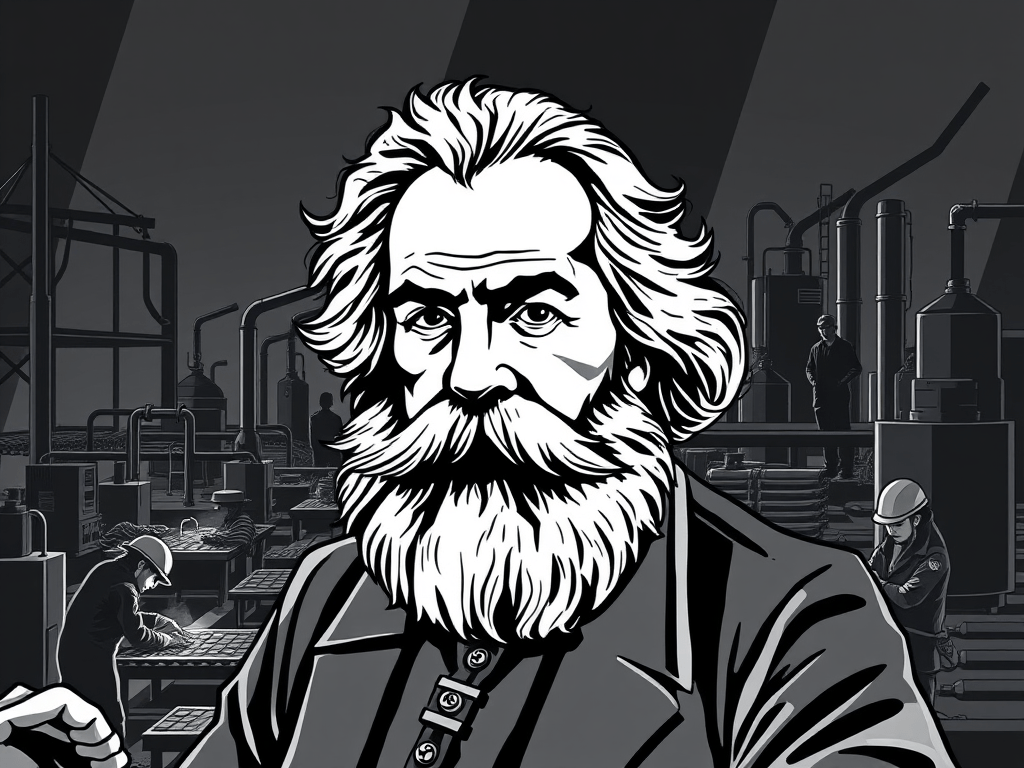
Marxist economic theory critiques capitalism by revealing systemic contradictions that lead to recurring crises. Central to this theory is surplus value, where workers’ labor generates profit for capitalists. The tendency of profit rates to fall exacerbates overproduction and underconsumption, creating inevitable economic downturns, indicating capitalism’s inherent instability and crisis-prone nature.
-

Georgi Dimitrov Mihaylov (1882-1949) was a key Bulgarian communist leader known for his role with the Comintern, his defense during the Reichstag fire trial, and as Bulgaria’s first communist prime minister. He promoted anti-fascism collaboration and left a significant legacy in communist theory, particularly regarding fascism and capitalism.
-

The GDR’s psychology and psychiatry evolved within a Marxist-Leninist framework, yielding a unique blend of ideological conformity and scientific practice. This included prioritizing social determinants of mental health, integrating psychology into state functions, and sometimes compromising therapeutic ethics. Despite significant constraints, East German practitioners managed to innovate within their context, contributing substantially to mental health…
 Letters from Tomis