Marxism
-

Friedrich Engels’ The Origin of the Family, Private Property and the State remains vital in Marxist theory, analyzed in the 2020 Wellred Books edition. Rob Sewell’s introduction contextualizes Engels’ claims on the evolution of family, property, and state, especially regarding gender inequality. This edition enhances accessibility and relevance for contemporary discussions on social inequality.
-
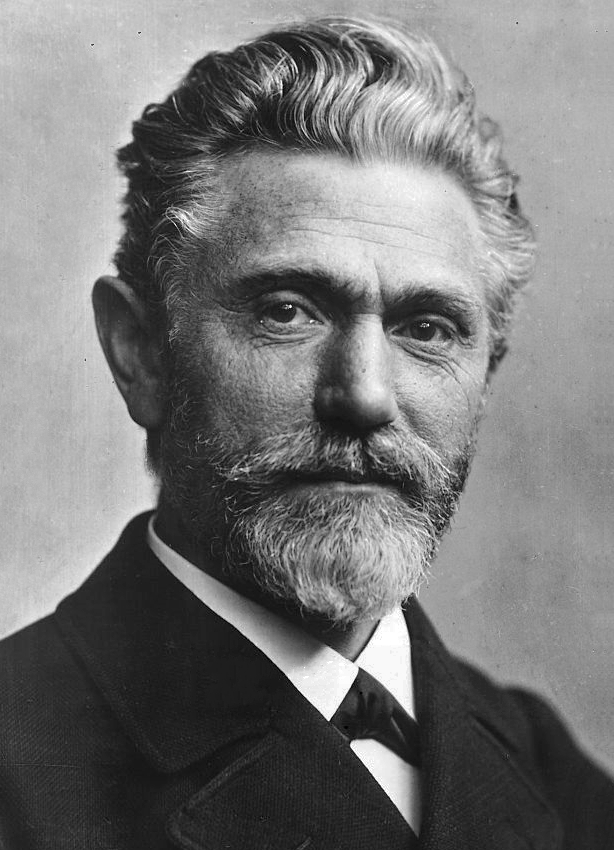
August Ferdinand Bebel (1840–1913) was a key figure in German socialism and co-founder of the Social Democratic Party of Germany (SPD). A committed Marxist, he advanced democratic socialism, advocating for gender equality in “Woman and Socialism.” Despite persecution, Bebel’s legacy endures as a catalyst for labor rights and social welfare initiatives.
-
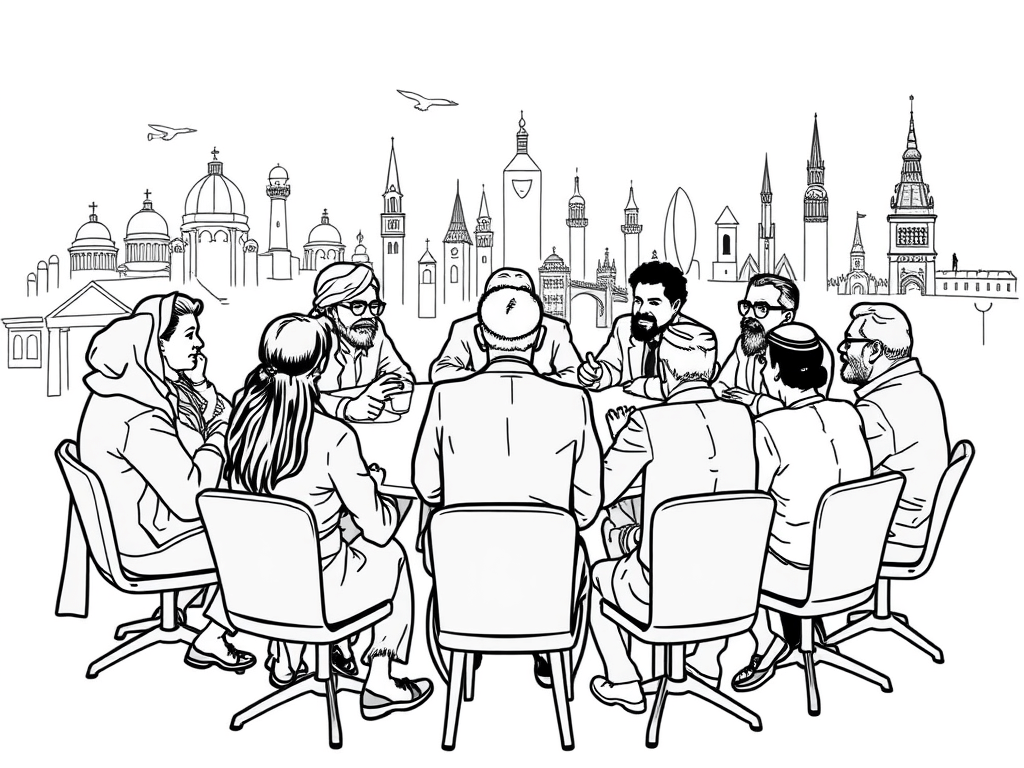
Between 2015 and 2025, Marxist philosophy revived globally, reshaping itself through dialogues with feminism, critical race theory, and ecological thought. Influential figures emerged in various regions, enriching traditional Marxism by addressing contemporary socio-economic and environmental issues. This evolution reflects Marxism’s adaptability in confronting modern challenges and diverse forms of oppression.
-
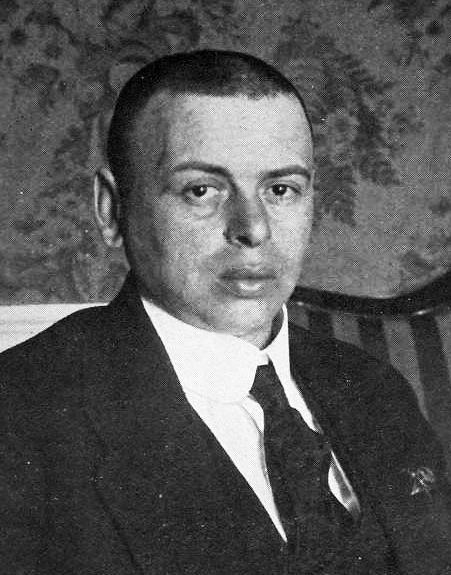
Béla Kun (1886–1938) was a key Hungarian communist leader, known for establishing the Hungarian Soviet Republic in 1919. Influenced by the Russian Revolution, he implemented radical reforms but faced significant opposition, leading to the state’s collapse. After fleeing, he was executed during Stalin’s purges, leaving a controversial legacy of communism and repression.
-

Marx’s theory of alienation, addressing workers’ estrangement under capitalism, remains relevant today. Contemporary theorists like Harvey, Fraser, and Žižek extend this concept to digital labor and ecological crises, emphasizing how modern capitalism deepens alienation through technological control and environmental degradation. Structural changes are essential for overcoming these pervasive estrangements.
-

Friedrich Engels was a key figure in developing Marxist theory, co-authoring The Communist Manifesto and collaborating with Karl Marx for four decades. His independent works, such as The Origin of the Family, contributed significantly to socialist thought, addressing class, state, and gender issues. Engels’s legacy includes his role in international socialism and dialectical materialism.
-

The concept of commodity fetishism, as discussed by Marx, highlights how capitalism obscures social relations behind commodity production, attributing value to objects instead of labor. Contemporary Marxist theorists, like Žižek, Harvey, and Jameson, extend this analysis, particularly in the digital age, illustrating how digital commodities further mystify labor and social connections.
-

Contemporary Marxist theorists envision a democratic, participatory socialist planned economy focused on human needs rather than profit. With technology facilitating coordination without markets, resources are allocated through collective decision-making, emphasizing ecological sustainability and social welfare. This approach fosters empowerment, equality, and genuine democracy, seeking to reshape society for a more just future.
-

Leon Trotsky’s The Revolution Betrayed critiques the Soviet Union’s deviation from revolutionary ideals under Stalin. Published in 1937 and reissued in 2015, it analyzes the rise of bureaucracy and predicts the USSR’s collapse due to systemic issues. Trotsky’s insights on democracy and governance remain relevant for contemporary discourse in political and economic contexts.
-

Victor Adler (1852–1918) was the founder and leader of the Austrian Social Democratic Workers’ Party. Initially a physician, he became involved in politics advocating universal suffrage and labor rights. His pragmatic socialism prioritized legislative reforms over revolutions. Adler’s legacy persisted through his son, Friedrich, a notable socialist leader.
 Letters from Tomis