Literature
-
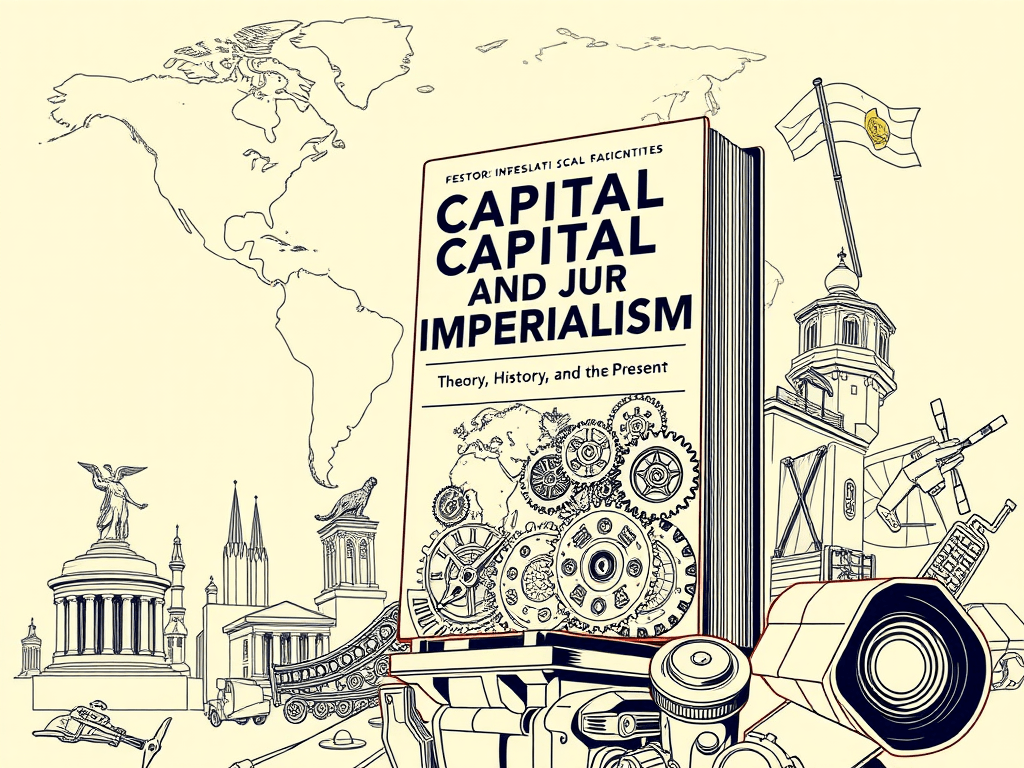
“Capital and Imperialism: Theory, History, and the Present” by Utsa and Prabhat Patnaik analyzes the connection between capitalism and imperialism, exploring their historical roots and contemporary implications. The authors provide accessible insights into global economic inequalities, emphasizing the ongoing exploitation from the Global South to the Global North and offering pathways toward a more equitable…
-

Friedrich Engels’ Anti-Dühring critically examines Eugen Dühring’s theories while expounding Marxist thought. Through its structured approach, the book elucidates dialectical and historical materialism, addressing socialism’s scientific basis. Engaging and relevant, it has shaped socialist movements and offers essential insights into class struggle and societal transformation. A must-read for understanding socialism.
-
Nathan Thrall’s A Day in the Life of Abed Salama offers a profound portrayal of life under occupation through the lens of Abed Salama’s search for his son after a school bus accident. The narrative intertwines personal and political realities, highlighting systemic inequalities while humanizing the Palestinian experience, ultimately inspiring empathy and reflection.
-

Euripides’ play Orestes, written in 408 BCE, explores themes of class struggle and societal dynamics through a Marxist lens. The protagonists Orestes and Electra grapple with moral crises stemming from their aristocratic lineage. The play critiques the ruling elite’s corruption and the societal institutions that perpetuate inequality, urging viewers to question their own societal norms.
-
Joseph Moldover’s novel Just Until is a poignant exploration of grief, love, and healing. Through authentic characters experiencing profound loss, Moldover captures the complexities of human emotion with simple yet evocative prose. The narrative highlights both pain and hope, emphasizing the transformative power of connection and the everyday acts of healing.
-
Emile Zola’s The Kill critiques Second Empire France’s moral decay through its characters, Aristide Saccard and Renée. The novel’s vivid depictions of greed and decadence expose societal corruption and complicity, challenging readers to confront their own desires. While lacking structural tightness, it offers a powerful indictment of privilege and ambition amid urban transformation.
 Letters from Tomis