History
-
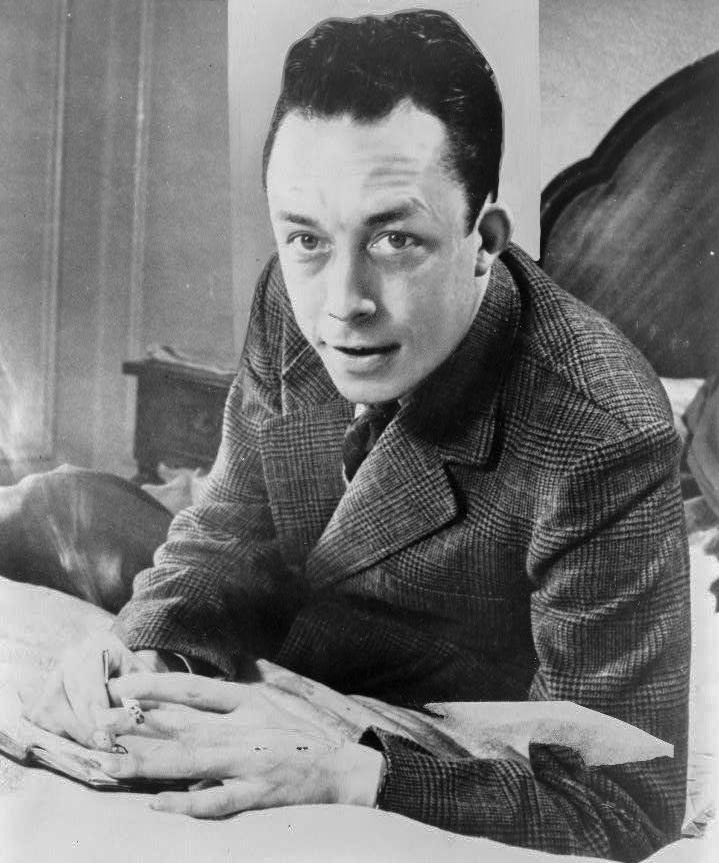
Albert Camus was born in Algeria in 1913 and faced poverty after his father’s death in WWI. He excelled in academics and became involved in politics and theater in the 1930s. Key works like “The Stranger” and “The Myth of Sisyphus” reflect his absurdist philosophy. A Nobel laureate, he remains influential for his ethical stance…
-

Frederick Douglass, born into slavery in Maryland, escaped in 1838 and became a prominent abolitionist. He authored influential autobiographies, advocated for women’s rights, and supported Reconstruction efforts. Recognized for his eloquent speeches and writings, Douglass’s legacy endures in civil rights movements, emphasizing racial, gender, and economic justice. He died in 1895.
-

Howard Zinn’s A People’s History of the United States presents a counter-narrative to traditional historical accounts, emphasizing the voices of marginalized groups as the true protagonists. Through a Marxist lens, Zinn critiques established ideologies and advocates for historical consciousness, framing history as an arena of ongoing class struggle and resistance.
-

César Chávez (1927–1993), co-founder of the United Farm Workers (UFW), revolutionized labor and civil rights for migrant farmworkers in America. His early experiences with poverty and discrimination fueled his activism. Chávez’s nonviolent methods, influenced by notable leaders, emphasized collective power, social justice, and dignity, leaving a lasting legacy on workers’ rights.
-

The Communist Party of Greece (KKE), founded in 1918, embodies a resilient history of Marxist-Leninist struggle against imperialism and bourgeois oppression. Active in various pivotal moments, such as WWII and the Greek Civil War, it remains a vital force in advocating for revolutionary socialism amidst contemporary neoliberal challenges, maintaining its ideological integrity.
-

Fred Hampton was a pivotal leader of the Black Panther Party, advocating for Black liberation and anti-capitalist solidarity. His assassination at 21 by the U.S. government highlighted the threat he posed to systemic injustice. Hampton’s legacy inspires contemporary movements, emphasizing grassroots organizing and cross-racial coalition building against oppression.
-
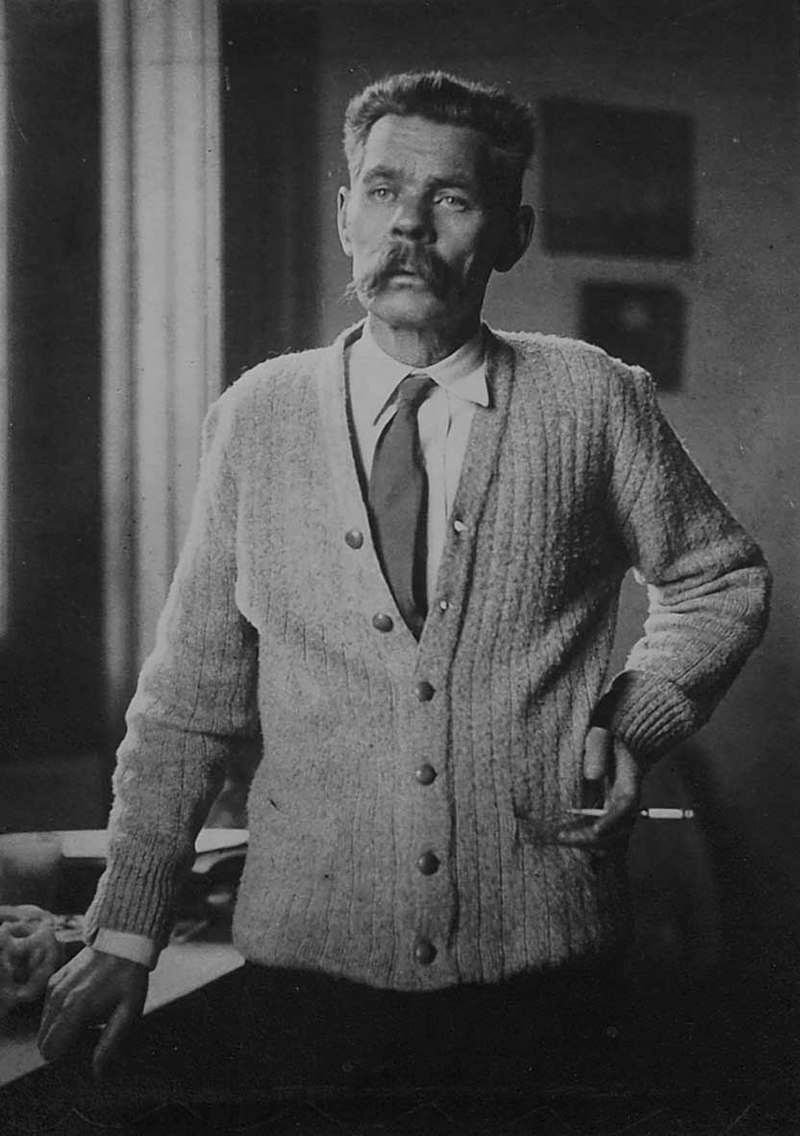
Maxim Gorky (1868–1936) was a pivotal Russian writer whose experiences of poverty shaped his literary themes focused on the working class. A supporter of the Bolshevik Revolution, he later criticized its authoritarianism, leading to self-imposed exile. His legacy endures through his works that explore revolutionary ideals and individual freedoms.
-
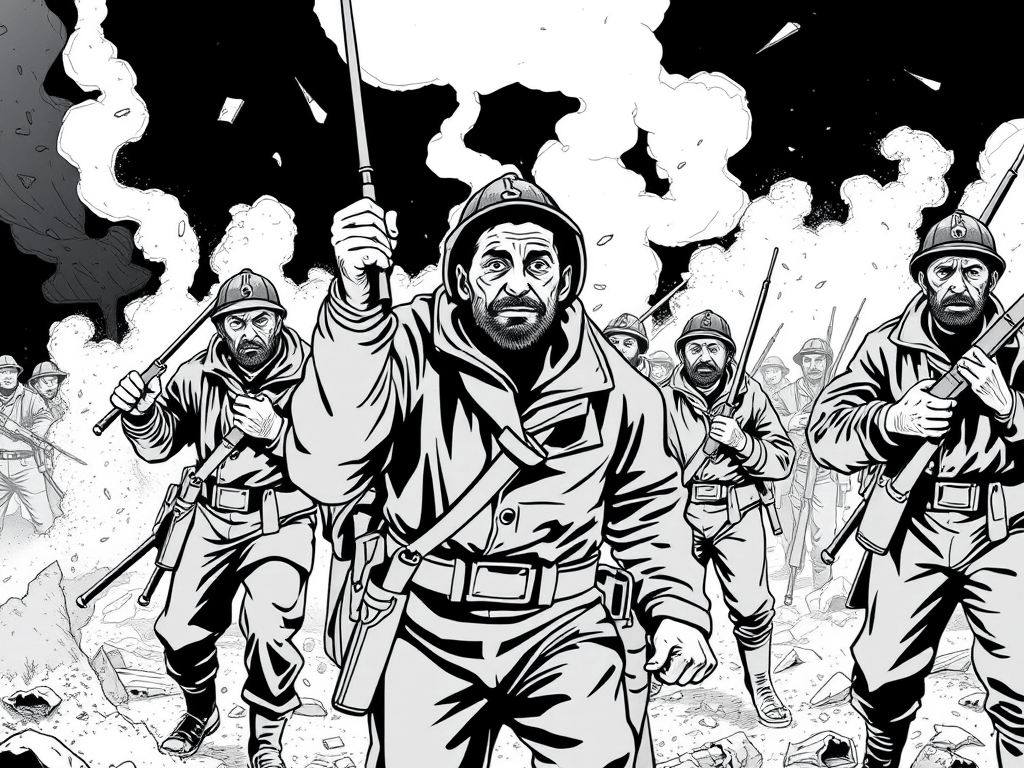
The Ludlow Massacre of April 1914 was a violent clash between striking coal miners, seeking basic rights, and armed capitalist forces, symbolizing stark class struggle. Analyzing this event through a Marxist lens reveals systemic labor exploitation and the intertwining of state power with capitalist interests, illustrating ongoing themes of class conflict relevant today.
-

James Connolly (1868–1916) was a key figure in the Irish socialist movement, blending Marxism with Irish republicanism. Born into poverty, he became a labor leader and strategist. His leadership in the 1916 Easter Rising marked his martyrdom, inspiring future movements for justice and linking national liberation with social transformation.
-
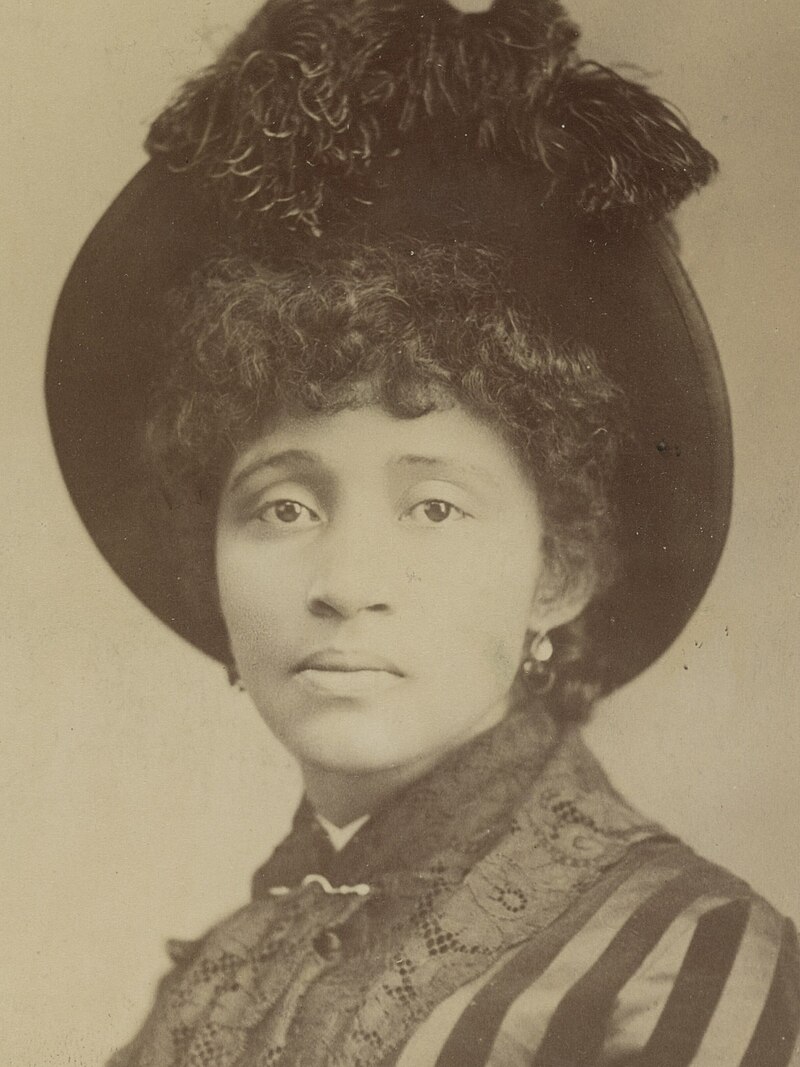
Lucy Parsons (circa 1851 – 1942) was a notable American anarchist and labor activist known for her advocacy of workers’ rights and social justice. Her life was marked by her interracial marriage, involvement in the anarchist movement, and public support for labor rights. Parsons’ legacy continues to inspire modern social justice movements.
 Letters from Tomis