History
-

Eugene V. Debs, born to French immigrant parents in 1855, became a pivotal labor leader and socialist. He co-founded the American Railway Union, led the Pullman Strike, and ran for president five times. His anti-war activism during World War I led to imprisonment. Debs’ legacy endures as a champion for workers’ rights and social justice.
-

Marx’s analysis reveals the transition from feudalism to capitalism as a shift in exploitation rather than a move toward freedom. While serfs were directly bound to land, wage workers face economic necessity, masking their oppression as choice. This continuity of exploitation challenges the romanticized view of capitalist liberation, emphasizing the need for ongoing resistance.
-
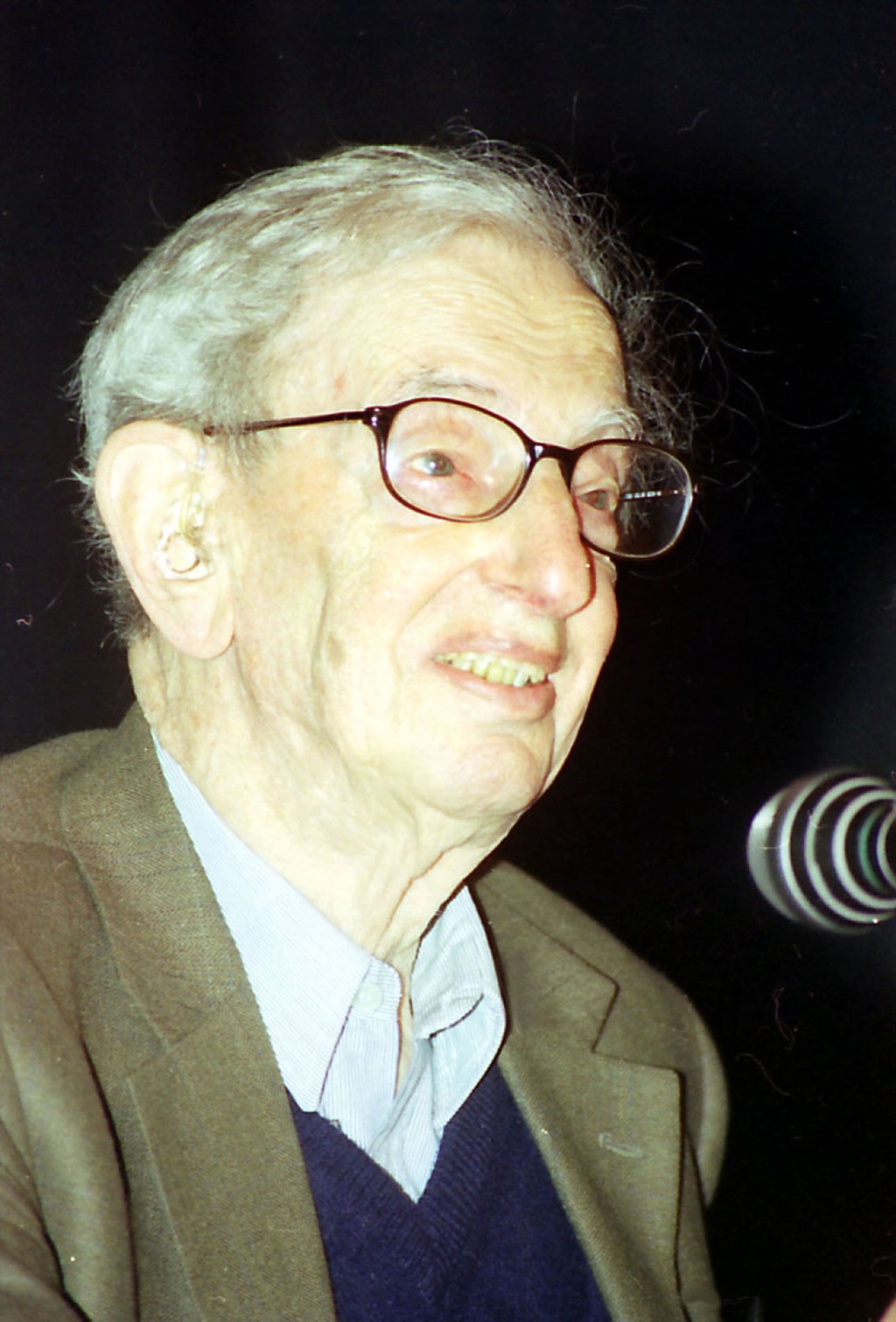
Eric Hobsbawm, a prominent historian born in Egypt, shaped by his experiences in Europe, had a significant academic career focused on social and economic history. A lifelong Marxist, he critiqued capitalism and imperialism while advocating for nuanced historical understanding. Hobsbawm authored influential works, leaving an enduring intellectual legacy upon his death in 2012.
-

The bourgeois revolutions marked significant shifts from feudalism to capitalism, driven by class struggle and economic liberation. They dismantled old hierarchies, established market economies, and fostered national identities, while also emphasizing secular authority. Despite achieving liberation, they introduced new forms of oppression, foreshadowing future class struggles for true emancipation.
-

Eric Hobsbawm’s The Age of Extremes: The Short Twentieth Century, 1914–1991 offers an incisive analysis of the tumultuous century, dividing it into three epochs: the Age of Catastrophe, the Golden Age, and the Crisis Decades. Hobsbawm integrates politics, culture, and economics, providing a global perspective and warnings about neoliberalism’s rise. It is a crucial read…
-
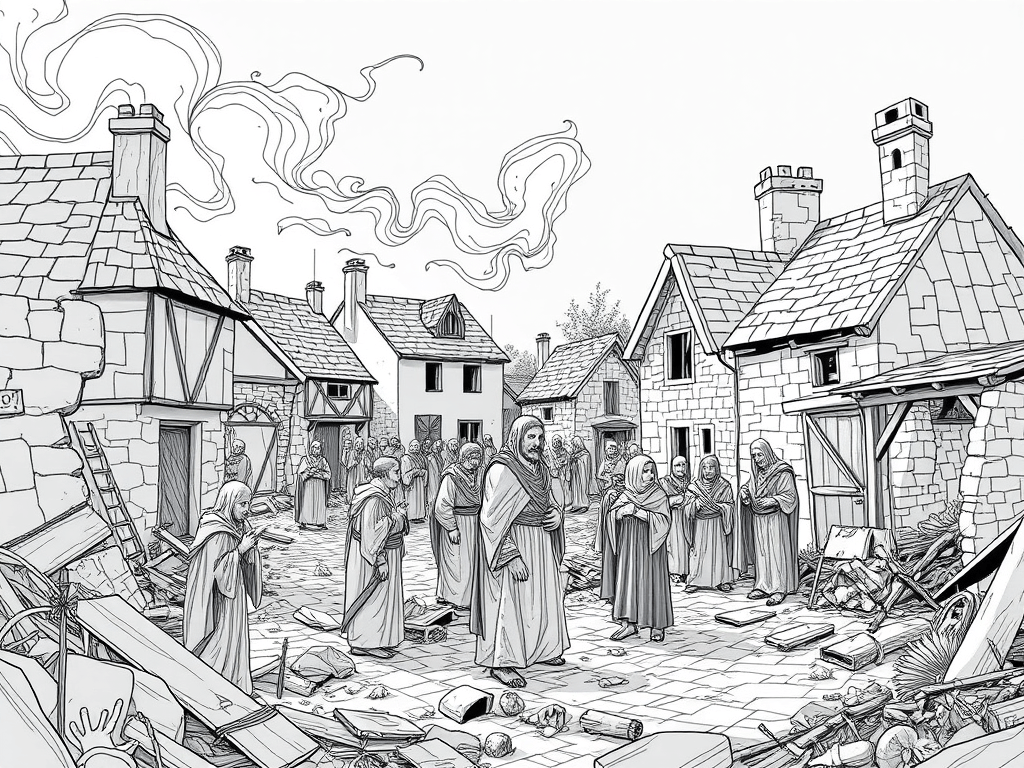
The Black Death of the 14th century exposed the weaknesses of feudal society, acting as a catalyst for its decline rather than a mere natural disaster. The plague caused significant labor shortages, prompting peasants to demand better conditions. This upheaval ultimately laid the groundwork for the emergence of capitalism, marking a pivotal historical transition.
-

The peasantry’s struggle against feudal landlords was marked by toil, sacrifice, and a yearning for dignity, hindered by economic inertia, ideological conditioning, and fragmentation. Their isolation and dependence made sustained rebellion difficult, while shifting societal forces diminished their relevance, yet their legacy paved the way for future revolutions and continues to resonate with resilience.
-
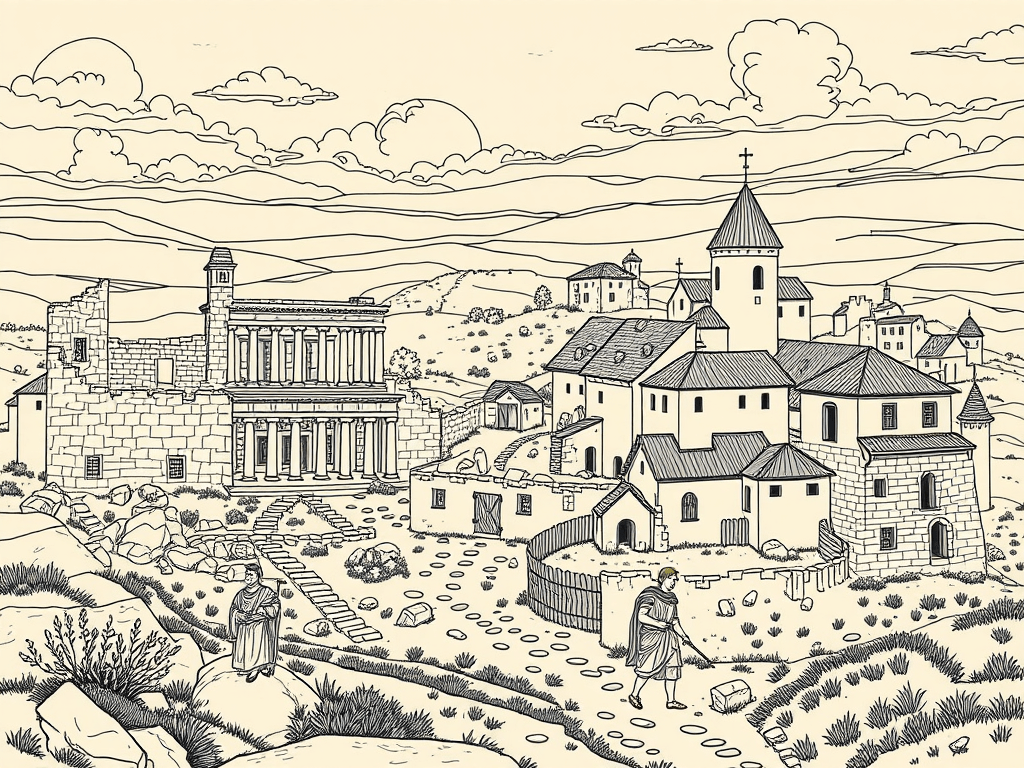
The “Dark Ages” is often viewed as a time of stagnation following the fall of Rome. However, this period involved significant transformations driven by economic and social restructuring, transitioning from slavery to feudalism. The Catholic Church played a key role in unifying fragmented Europe, highlighting the era’s complexity rather than mere darkness.
-

The evolution of human civilization, intertwined with the institution of slavery, reflects a complex relationship between progress and exploitation. While slave societies contributed significantly to economic and cultural achievements, they did so at a severe human cost. Recognizing this paradox compels a moral obligation to strive for a future devoid of exploitation.
-
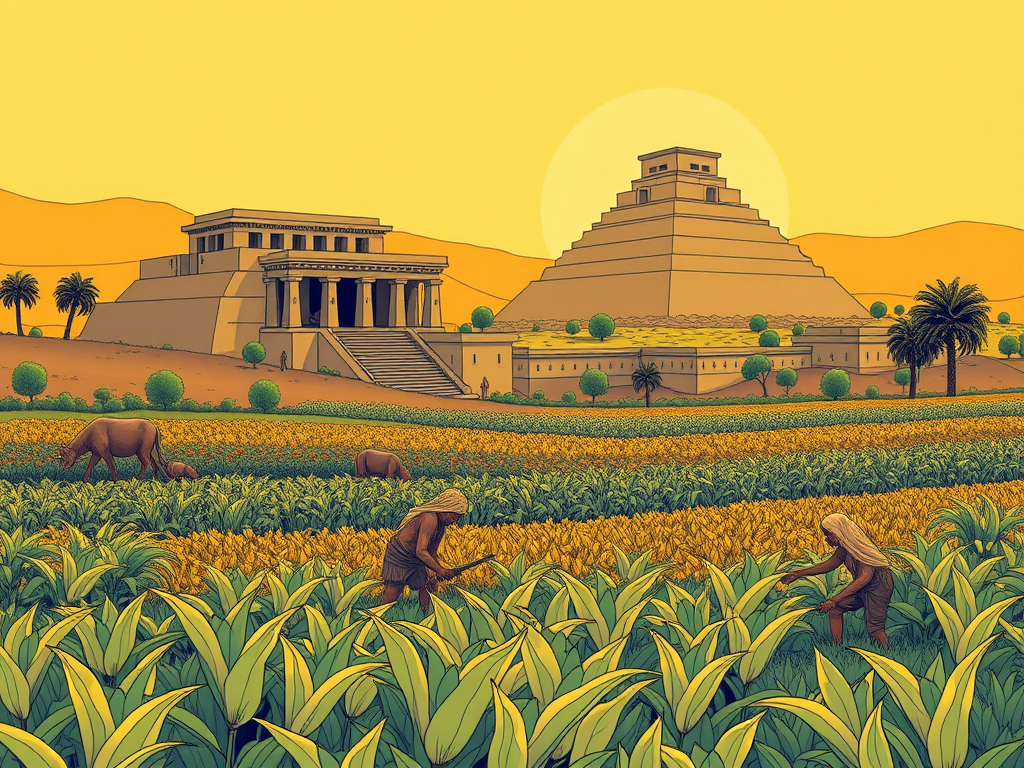
The Neolithic Revolution signifies a pivotal shift from hunter-gatherer societies to agriculture, reshaping human relations. Historical materialism emphasizes that this transformation created surplus production, leading to class divisions and exploitation. The ensuing economic base established power hierarchies and reinforced gender inequalities, illustrating that history is driven by material conditions rather than ideals.
 Letters from Tomis