History
-
Ted Grant’s Programme of the International presents a foundational framework for revolutionary socialist strategy, emphasizing a clear, practical approach to class struggle. Rejecting opportunism, Grant advocates for democratic workers’ control and critiques capitalism’s impact on consciousness. His insights into socialist movements and internationalism resonate today, inspiring new generations committed to combating exploitation and oppression.
-
The Second International (1889–1916) coordinated socialist and labor movements globally, advocating for workers’ rights and international solidarity. Key achievements included promoting the eight-hour workday and women’s rights. However, ideological conflicts and the support for World War I led to its decline, giving rise to successor organizations like the Comintern and Socialist International.
-

The Roman Republic (509–27 BC) experienced significant social revolutions, characterized by struggles for political equality among classes, notably the plebeians. Key events included the struggle of the orders, Gracchan reforms, the Social War, and slave revolts, which ultimately culminated in the transition to an imperial power structure under Augustus.
-
This lecture addresses the significance of social revolutions throughout history, highlighting their causes, key examples, and impacts. It defines social revolutions as rapid societal transformations driven by dissatisfaction and mass mobilization. Key examples include the English, American, French, and Russian revolutions, illustrating diverse paths and consequences across centuries.
-
Karl Marx’s concept of primitive accumulation exposes capitalism’s origins rooted in violence and theft, contrary to the myth of hard work and virtue. This theory highlights the processes of dispossession that created the modern proletariat and critiques how historical injustices continue to impact contemporary economic disparities and power dynamics.
-
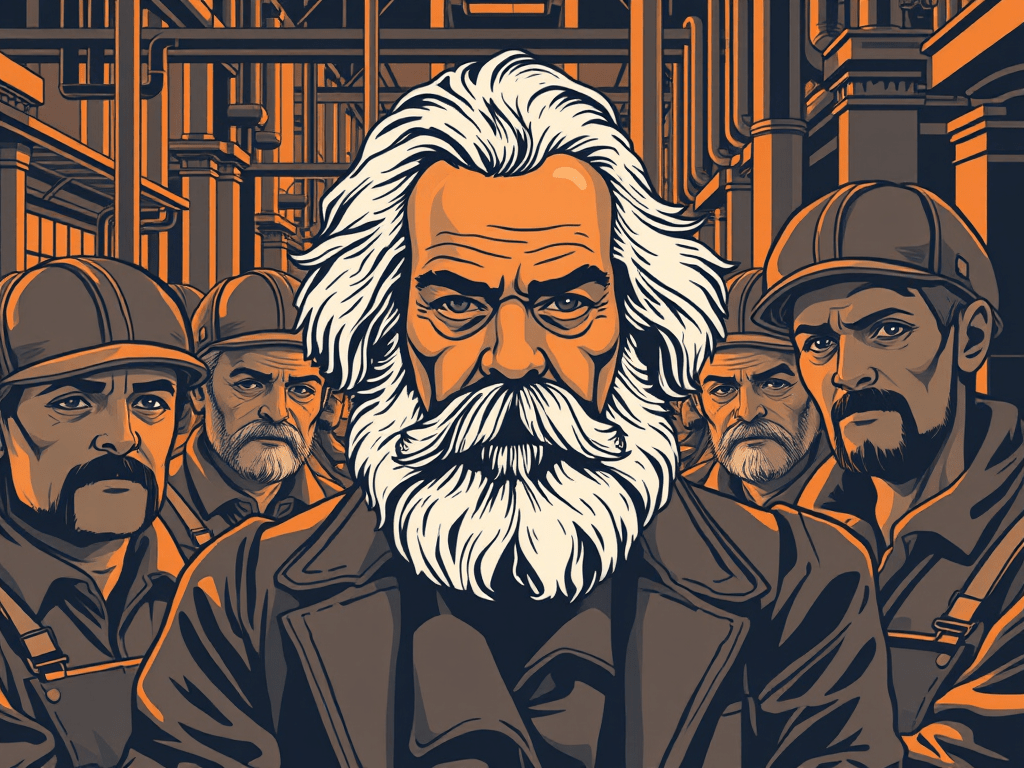
Karl Marx described the working class as the “gravediggers” of capitalism, emphasizing their role in challenging the system’s inherent contradictions and exploitative nature. While capitalism adapts and reshapes itself, the potential for collective action among workers emphasizes their capacity for revolutionary change, making the future of the system uncertain.
-
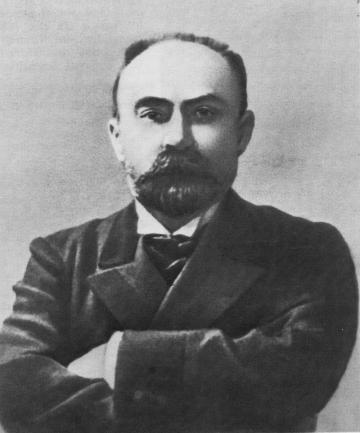
Georgi Plekhanov, born into a minor noble family in Russia, became a pivotal figure in the revolutionary movement, known as the “father of Russian Marxism.” As a writer and philosopher, he laid the theoretical groundwork for socialism in Russia, opposing populism and promoting proletarian revolution. He died in 1918, critiquing Bolshevik tactics.
-
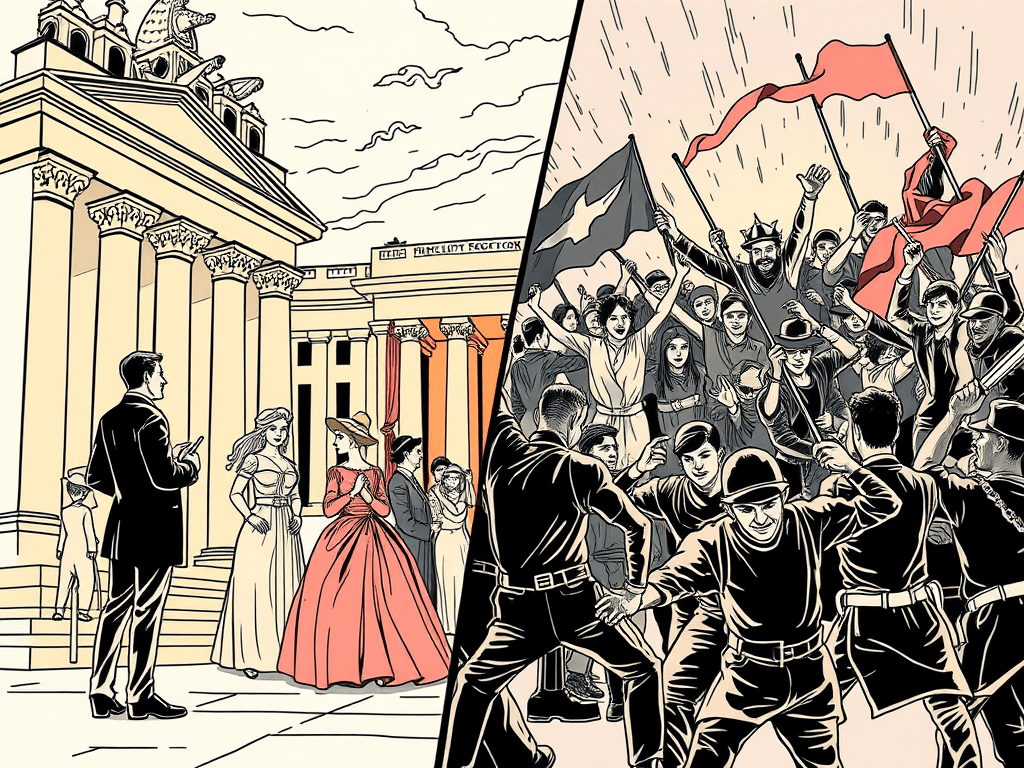
Revolutions have paradoxical traits, blending change with continuity. Bourgeois revolutions like the French and American prioritize reforming power structures without challenging property rights, benefiting the educated upper classes. In contrast, proletarian revolutions, exemplified by the Bolshevik Revolution, aim to dismantle capitalist systems entirely, seeking radical transformation for the dispossessed masses.
-

Heinz Kapelle (1913-1941) was a German communist and anti-fascist activist symbolizing resistance against the Nazi regime. Born in a working-class family, his activism grew amidst the rise of fascism. Arrested for high treason, he was executed for his unwavering commitment to his ideals. Kapelle’s legacy inspires ongoing struggles for social justice.
-

I discuss capitalism’s unique drive for constant innovation, contrasting it with the stagnation of feudal economies. The Industrial Revolution exemplifies how advancements transformed societies, often at a human cost. However, capitalism’s inherent contradictions, like wealth concentration and displacement of workers, raise questions about its sustainability and the potential need for a new economic system.
 Letters from Tomis