History
-

The evolution of psychology and psychiatry in the Soviet Union from the 1920s to the 1980s showcased a complex interplay of Marxist ideology and scientific inquiry. The fields experienced creative innovation amid ideological constraints, producing significant theories like Pavlov’s reflex theory and Vygotsky’s cultural-historical approach, which influenced global psychology despite periods of enforced conformity.
-

The evolution of psychotherapy began with Freud’s psychoanalysis, emphasizing the unconscious mind and inner conflicts. This tradition expanded through Jung’s collective unconscious and Lacan’s linguistic approach. Modern therapies, like CBT and humanistic methods, prioritize empirical evidence and structured techniques, focusing on present issues, symptom relief, and client empowerment.
-
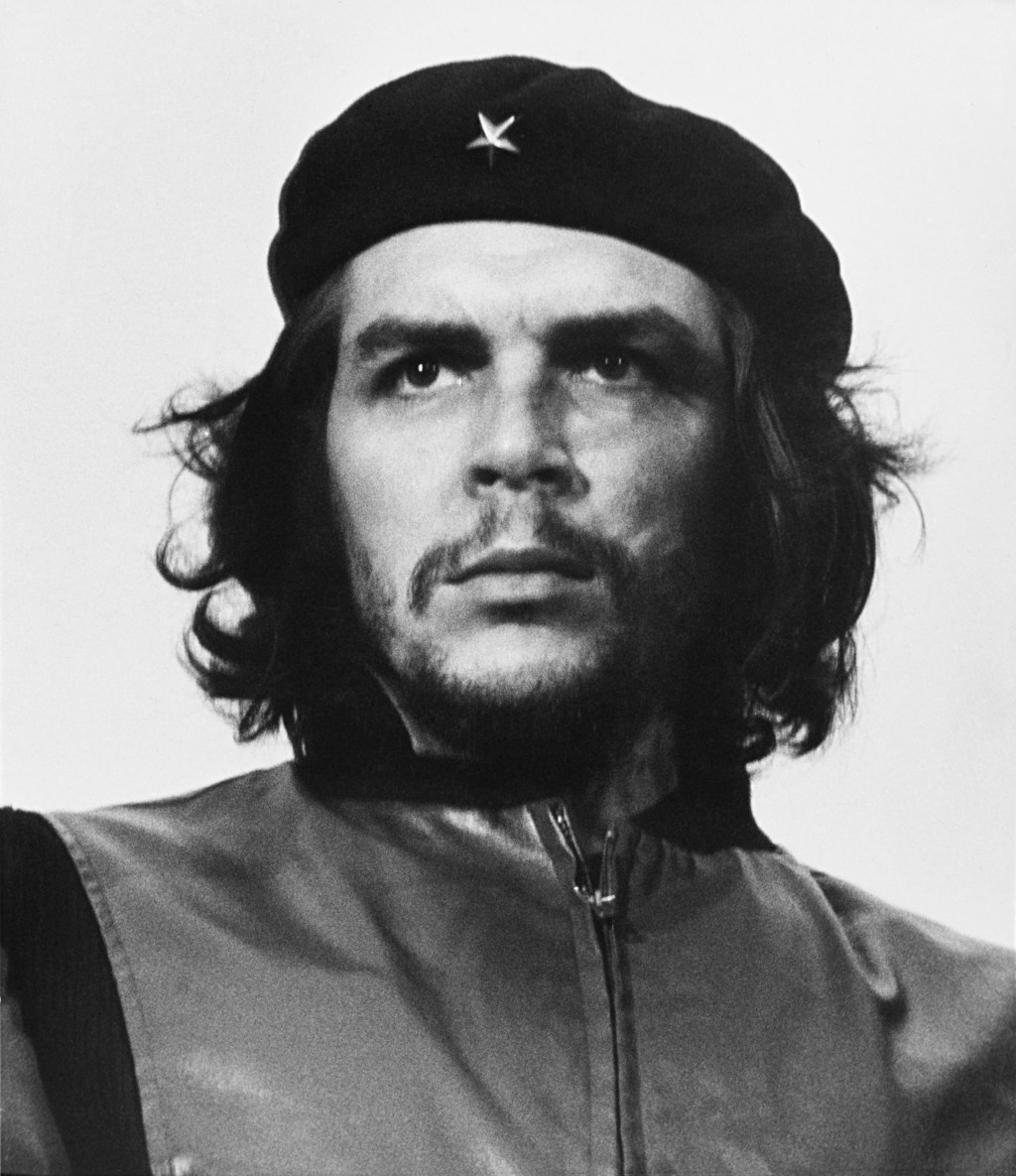
Ernesto “Che” Guevara (1928-1967) was an Argentine Marxist revolutionary and key figure in the Cuban Revolution. Influenced by social injustices during his travels, he joined Fidel Castro’s movement to overthrow Batista. Guevara sought global revolutions but was captured and executed in Bolivia. He is a polarizing icon of rebellion.
-

In “China: From Permanent Revolution to Counter-Revolution,” John Peter Roberts examines China’s historical transformation under the Communist Party, emphasizing ideological and political shifts from Mao to Deng Xiaoping. His critique reveals the human costs and contradictions of China’s market economy while encouraging critical debate on socialism and capitalism’s future.
-
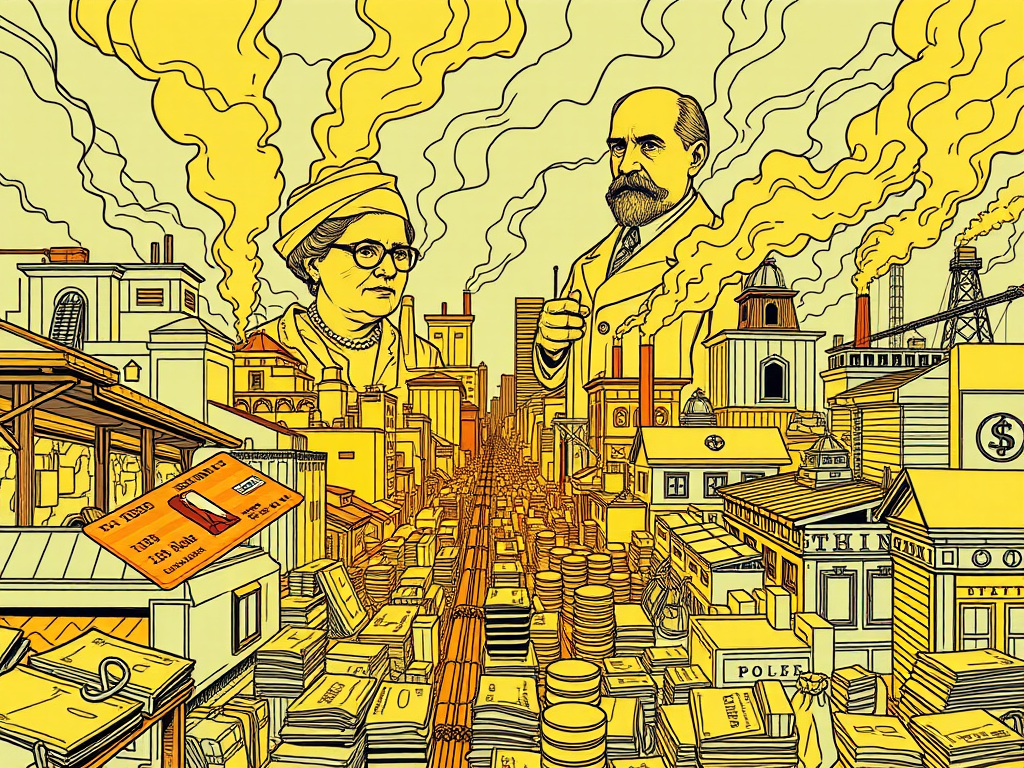
The content explores the dual nature of credit in capitalism, as both a lifeline and a noose. It critically examines how figures like Marx, Luxemburg, and Lenin understood credit as a mechanism allowing capitalism to expand and exploit, ultimately warning of inevitable crises due to unsustainable debt. The analysis highlights historical and contemporary global economic…
-
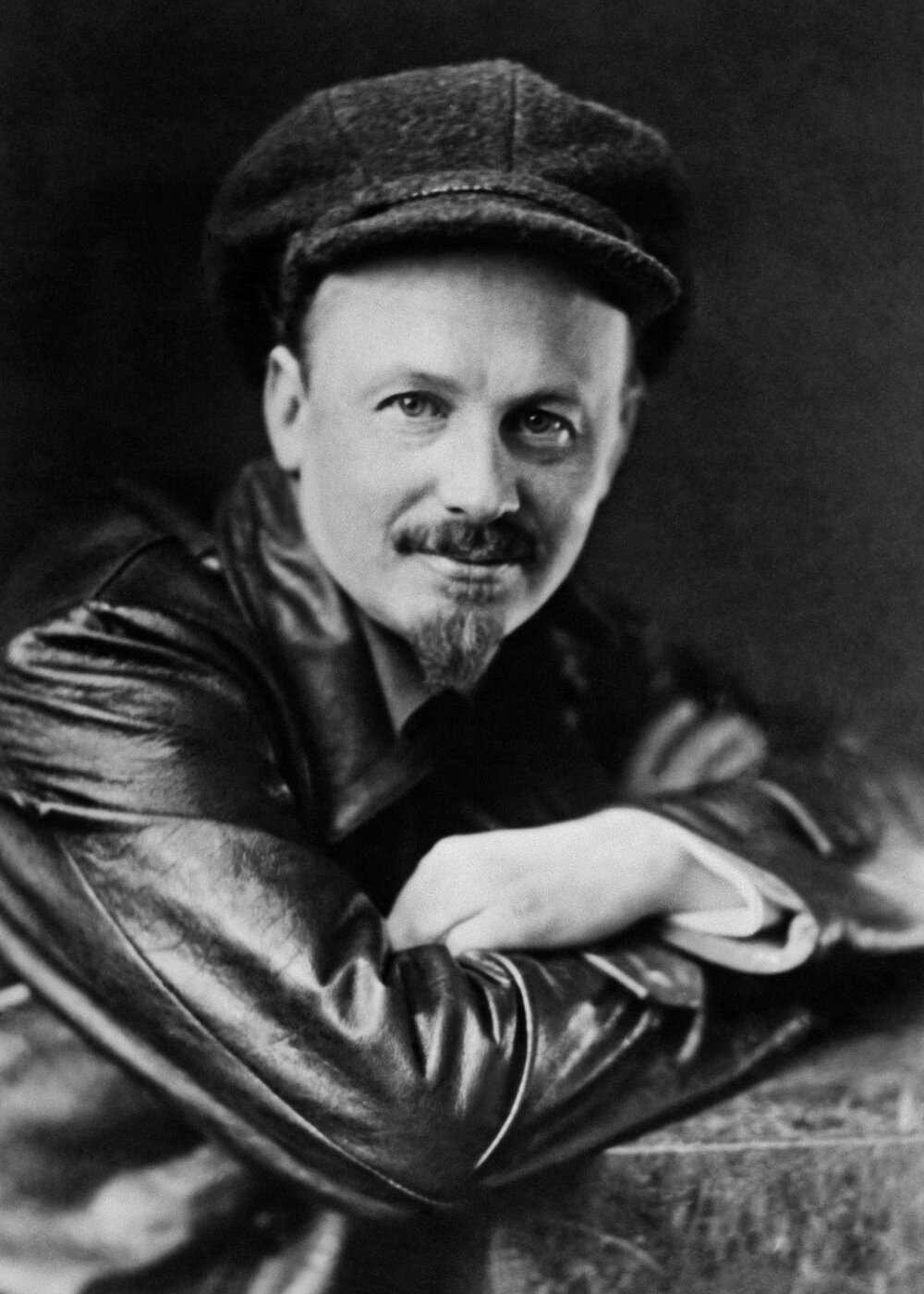
Nikolai Bukharin (1888–1938) was a leading Bolshevik revolutionary, Marxist theorist, and Soviet politician. Initially influential during the October Revolution and supporter of the New Economic Policy, he fell out of favor with Stalin, leading to his arrest and execution during the Great Purge. His legacy endures in Marxist studies.
-

The “History of the Communist Party of the Soviet Union (Bolsheviks): Short Course,” overseen by Stalin, offers a biased, simplified narrative of Bolshevik history. While it serves as a doctrinal tool that shaped Soviet ideology and political thought, it lacks academic rigor and distorts historical facts to reinforce Stalin’s regime.
-

Lenin’s “Testament” warned against Stalin, advocating his removal as General Secretary, yet it was suppressed by Stalin and allies like Zinoviev and Kamenev. Disunity among Lenin’s potential successors, internal divisions, and Stalin’s control over party machinery enabled him to consolidate power, ultimately silencing his rivals and becoming the Soviet leader.
-
Lenin’s “Testament” warned against Stalin, advocating his removal as General Secretary, yet it was suppressed by Stalin and allies like Zinoviev and Kamenev. Disunity among Lenin’s potential successors, internal divisions, and Stalin’s control over party machinery enabled him to consolidate power, ultimately silencing his rivals and becoming the Soviet leader.
-
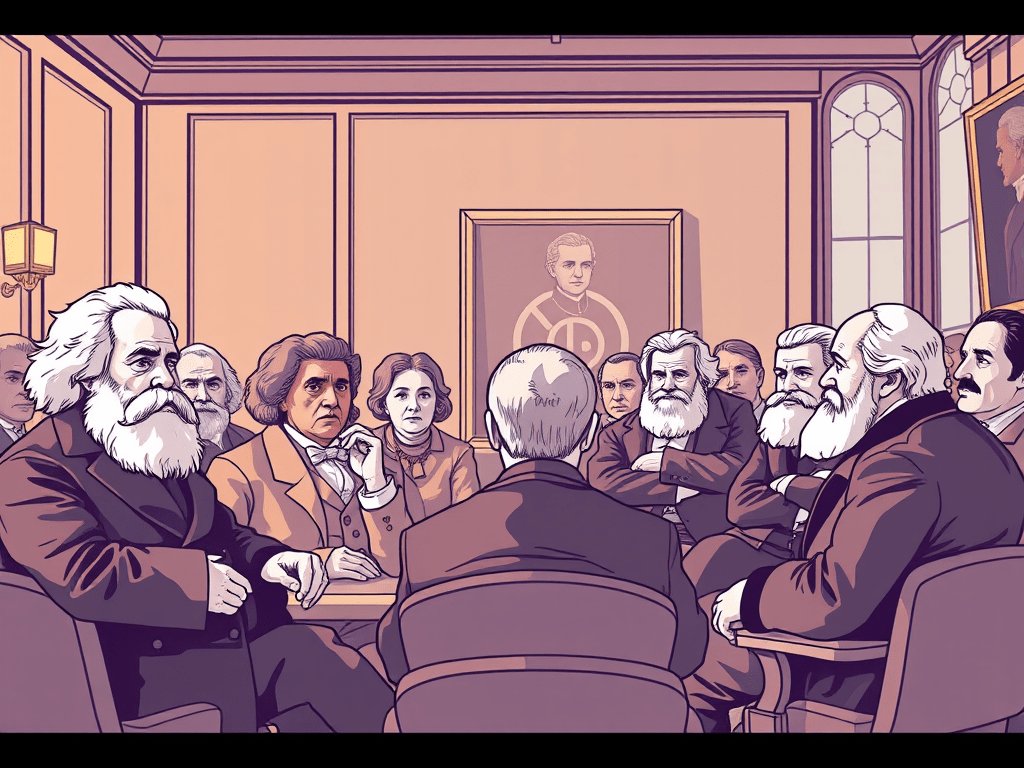
This lecture explores the origins of the socialist movement, focusing on its historical context following the Industrial Revolution. It examines key figures, ideological diversity, and the role of the First International, highlighting its impact on labor movements, class struggles, and shaping modern socialist ideologies, while addressing internal conflicts and legacy.
 Letters from Tomis