History
-
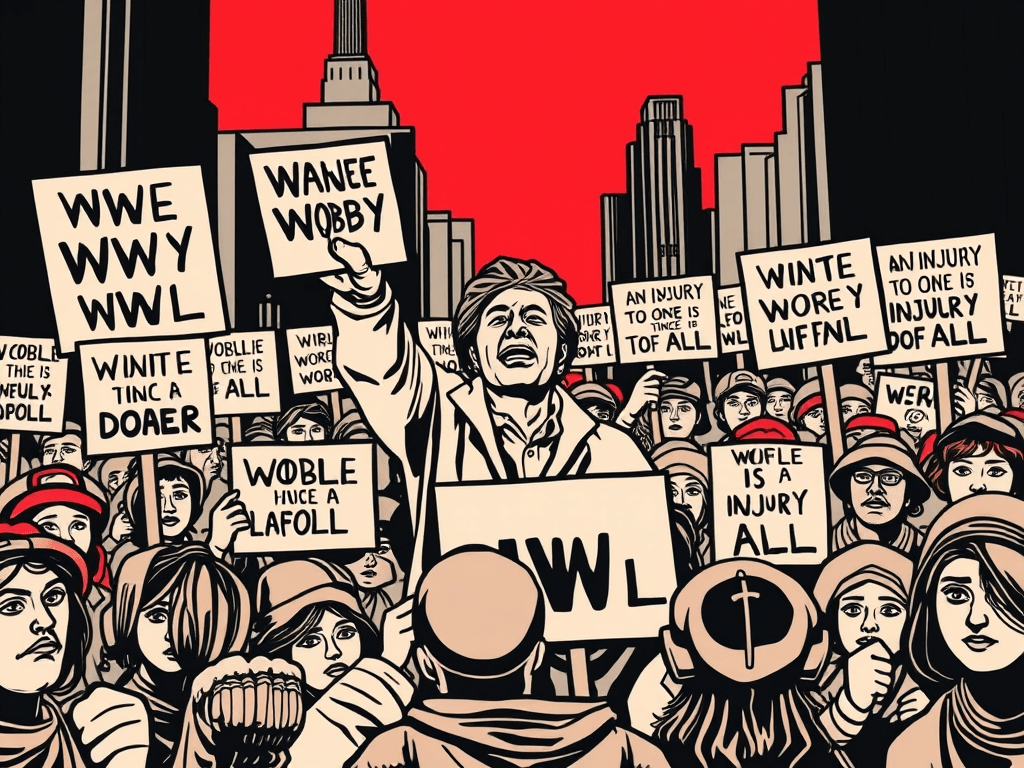
The Congress of Industrial Organizations (CIO) emerged as a powerful labor force between 1930 and 1945, largely due to the contributions of radical organizers and leftists, often disparaged yet pivotal in rallying unorganized workers. Their audacious tactics and commitment fostered significant gains in union representation amidst hostility from traditional labor leaders and the state.
-
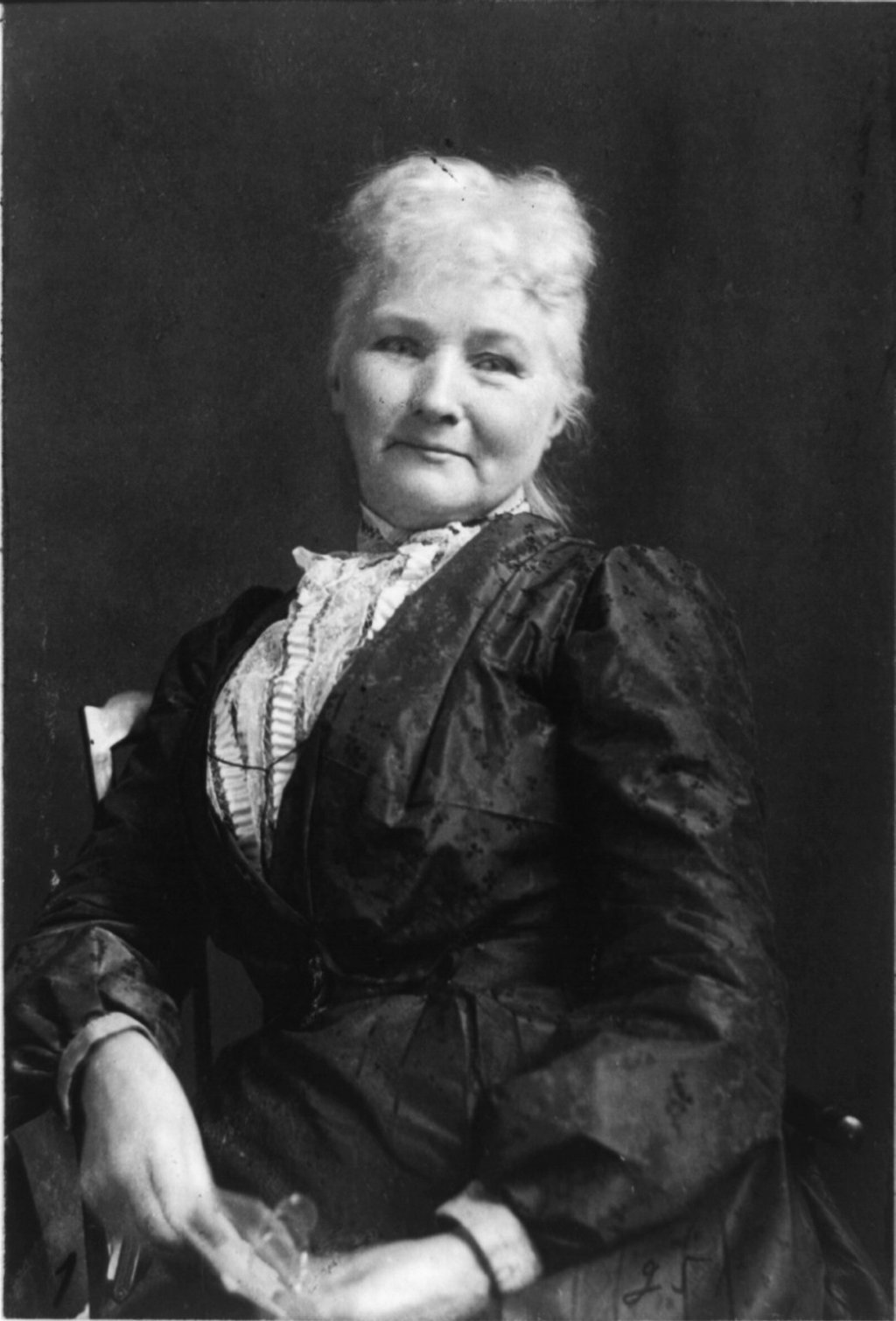
Mary Harris Jones, known as Mother Jones, was a pivotal American labor activist born in Ireland in 1837. She endured personal losses that fueled her advocacy for workers’ rights, focusing on labor struggles and child labor. Her fervent activism made her a prominent figure in labor history until her death in 1930, inspiring future movements.
-
The Industrial Workers of the World (IWW), founded in 1905, championed radical labor rights against the conservative American Federation of Labor. Known as “Wobblies,” they aimed to unite all workers under “One Big Union.” Despite severe repression, their cultural impact and legacy of revolutionary activism continue to inspire modern labor movements.
-
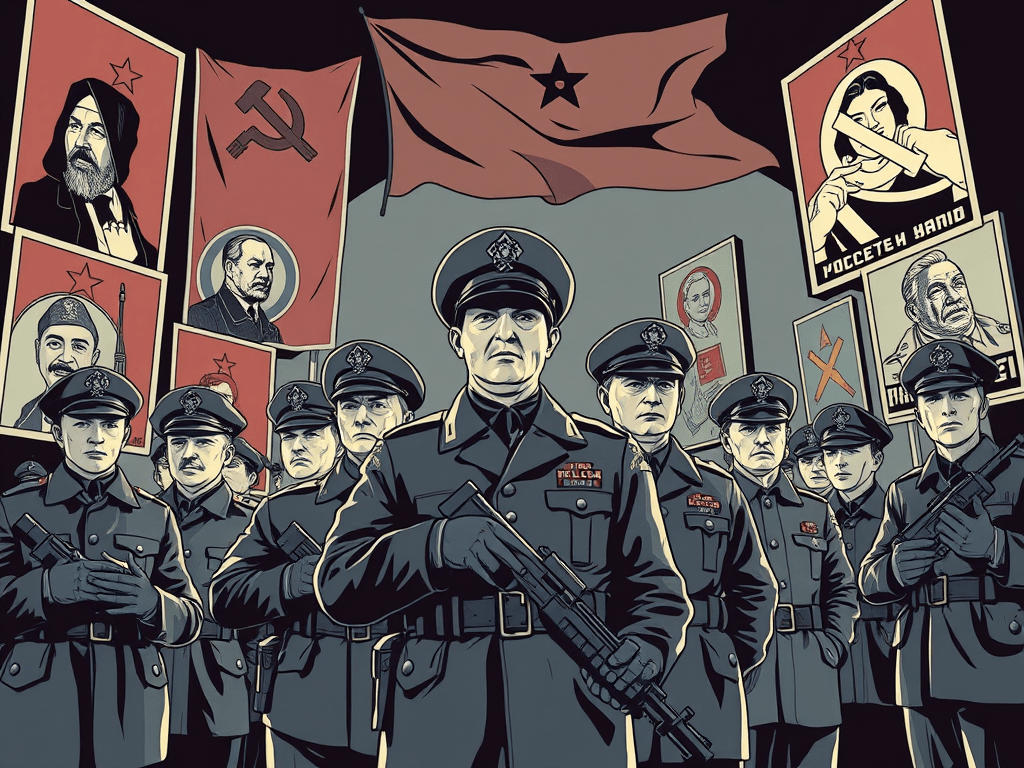
Between 1920 and 1940, Soviet law enforcement evolved significantly under Marxist-Leninist ideology, serving the Communist Party’s revolutionary goals. Institutions like the Cheka and NKVD enforced state security through extensive surveillance and brutal repression, targeting class enemies and dissenters. This ideological framework shaped a coercive policing system that instilled fear and compliance in society.
-

Imre Nagy (1896–1958) was a pivotal Hungarian communist politician during the 1956 revolution. Initially a socialist, he became Prime Minister advocating reforms and national sovereignty. Following Soviet oppression, Nagy sought asylum but was captured and executed for treason. He later became a symbol of resistance against Soviet rule and was rehabilitated posthumously in 1989.
-

Georgi Dimitrov Mihaylov (1882-1949) was a key Bulgarian communist leader known for his role with the Comintern, his defense during the Reichstag fire trial, and as Bulgaria’s first communist prime minister. He promoted anti-fascism collaboration and left a significant legacy in communist theory, particularly regarding fascism and capitalism.
-
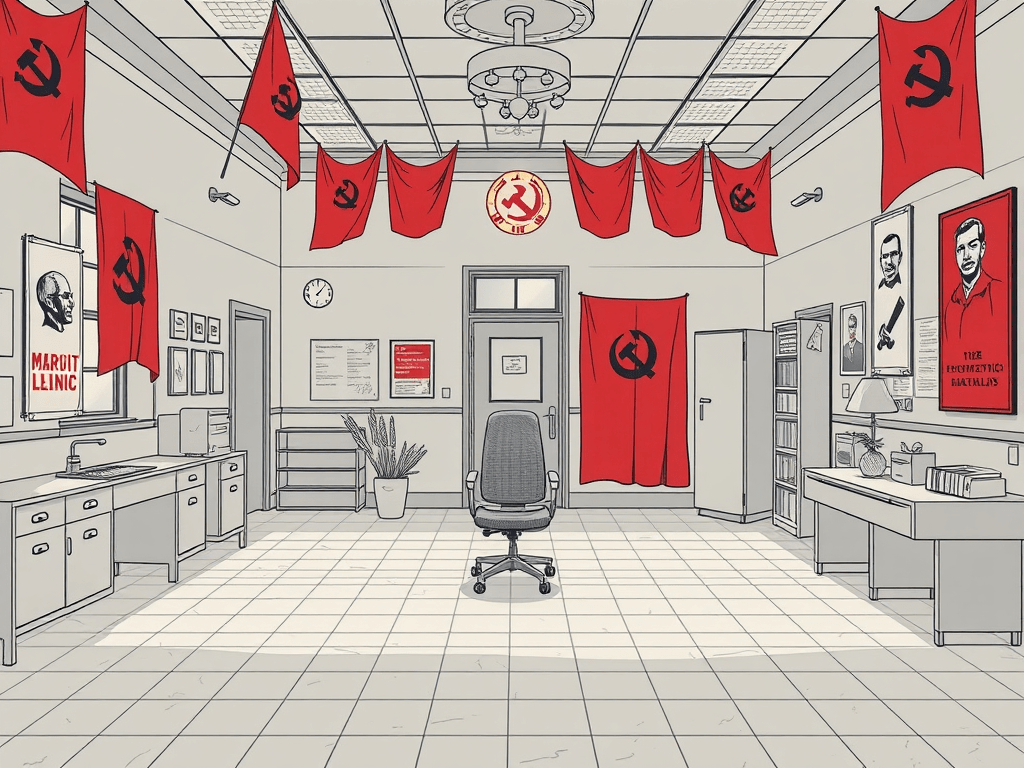
The GDR’s psychology and psychiatry evolved within a Marxist-Leninist framework, yielding a unique blend of ideological conformity and scientific practice. This included prioritizing social determinants of mental health, integrating psychology into state functions, and sometimes compromising therapeutic ethics. Despite significant constraints, East German practitioners managed to innovate within their context, contributing substantially to mental health…
-

Georg Wilhelm Friedrich Hegel was a prominent German philosopher born in 1770, known for his contributions to German Idealism and absolute idealism. His works, including Phenomenology of Spirit and Science of Logic, significantly influenced Western philosophy, shaping areas like Marxism and existentialism. Hegel’s ideas continue to impact theology, political theory, and the sciences.
-
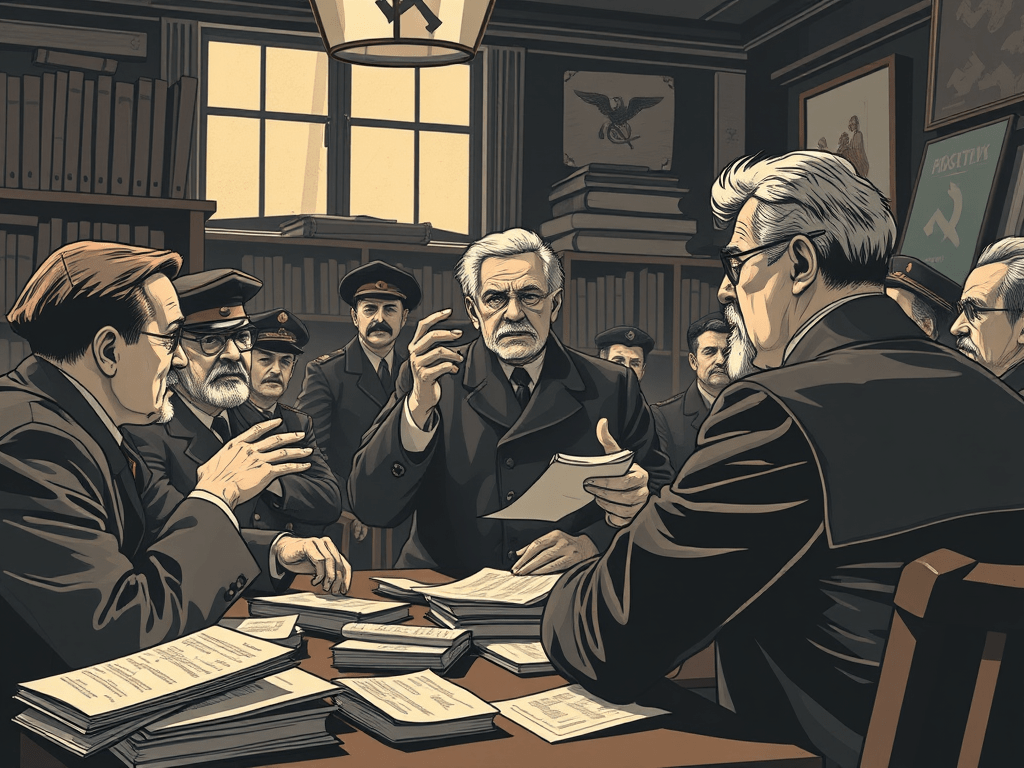
Leon Trotsky’s The Permanent Revolution critiques the necessity of mature capitalism for socialist revolutions, arguing that the proletariat can lead such movements. His analysis addresses differences within the Communist Party, particularly against Stalin’s policies. Despite editorial issues in the 2014 edition, the work remains essential for understanding Marxist theory and revolutionary dynamics.
-
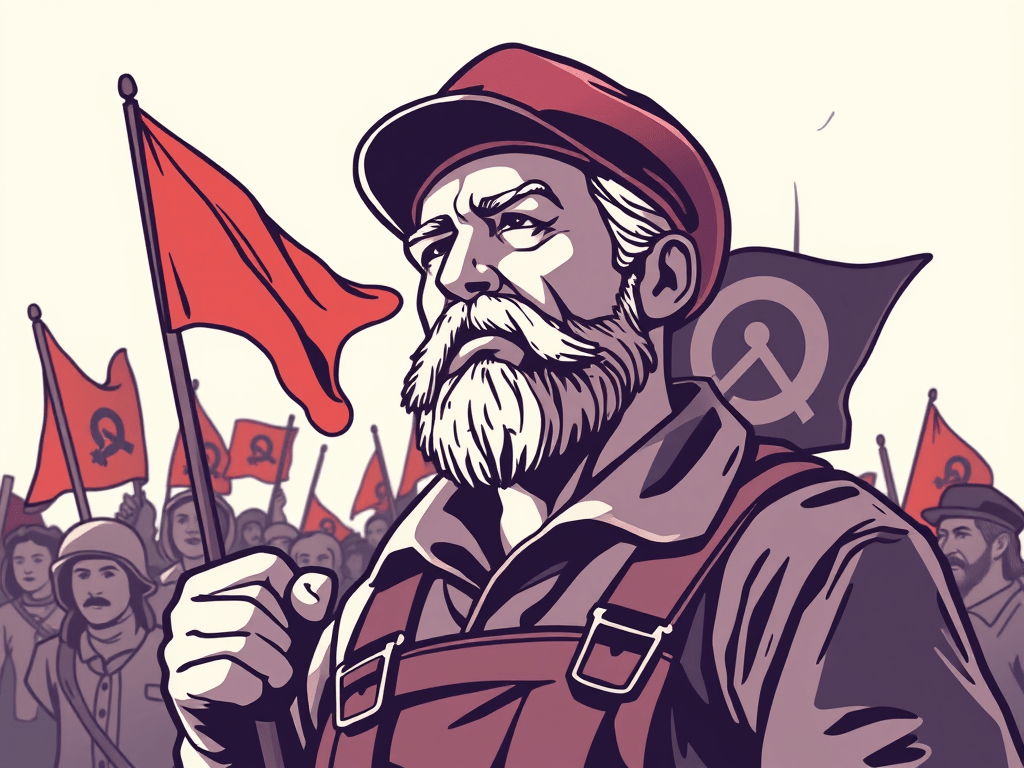
May Day embodies a complex legacy of worker celebration and exploitation, reflecting capitalism’s duality. While historically significant, it demands scrutiny rather than reverence. For Marxists, it symbolizes the struggle for dignity, freedom, and the right to leisure, urging contemporary society to confront who benefits from labor. This reckoning preserves its revolutionary promise.
 Letters from Tomis