History
-

Jean Jaurès, a pivotal figure in modern socialism, advocated for peace, workers’ rights, and social justice in France. An eloquent speaker and thinker, he supported universal suffrage and economic reform. Assassinated in 1914 before World War I, Jaurès’s legacy endures in socialist movements, promoting democracy, equality, and international cooperation.
-
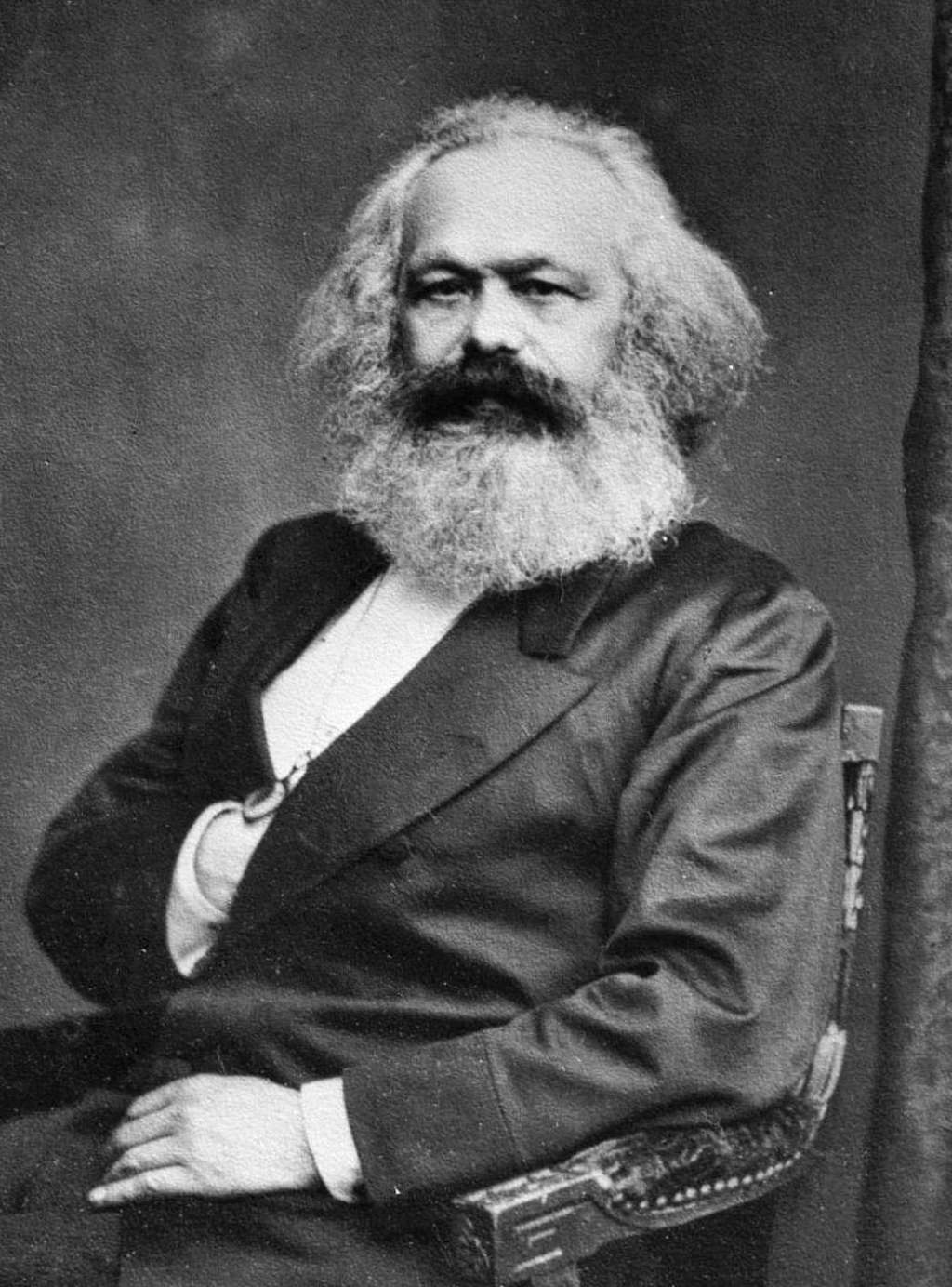
My Socialist Hall of Fame During this chaotic era of vile rhetoric and manipulative tactics from our so-called bourgeois leaders, I am invigorated by the opportunity to reflect on Socialists, Revolutionaries, Philosophers, Guerrilla Leaders, Partisans, and Critical Theory titans, champions, and martyrs who paved the way for us—my own audacious “Socialism’s Hall of Fame.” These…
-

Friedrich Engels’ The Origin of the Family, Private Property and the State remains vital in Marxist theory, analyzed in the 2020 Wellred Books edition. Rob Sewell’s introduction contextualizes Engels’ claims on the evolution of family, property, and state, especially regarding gender inequality. This edition enhances accessibility and relevance for contemporary discussions on social inequality.
-
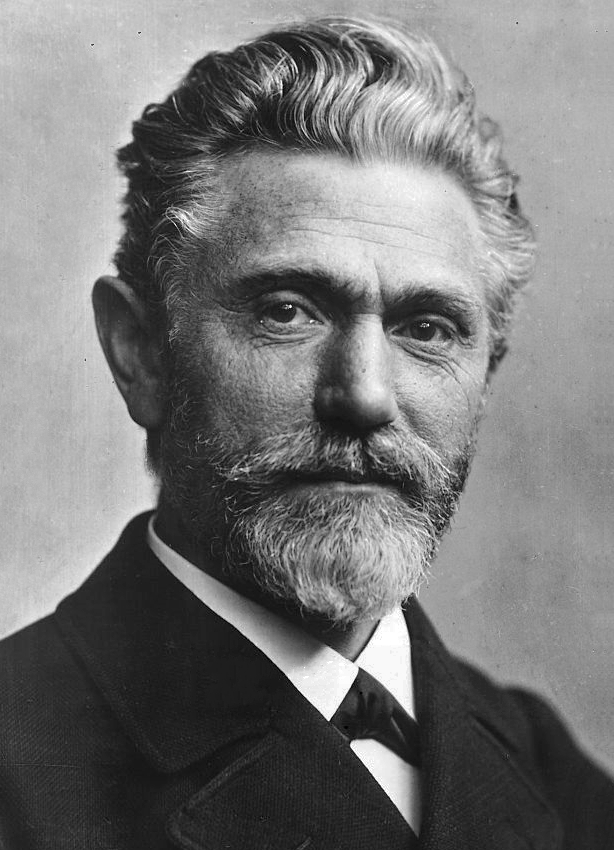
August Ferdinand Bebel (1840–1913) was a key figure in German socialism and co-founder of the Social Democratic Party of Germany (SPD). A committed Marxist, he advanced democratic socialism, advocating for gender equality in “Woman and Socialism.” Despite persecution, Bebel’s legacy endures as a catalyst for labor rights and social welfare initiatives.
-
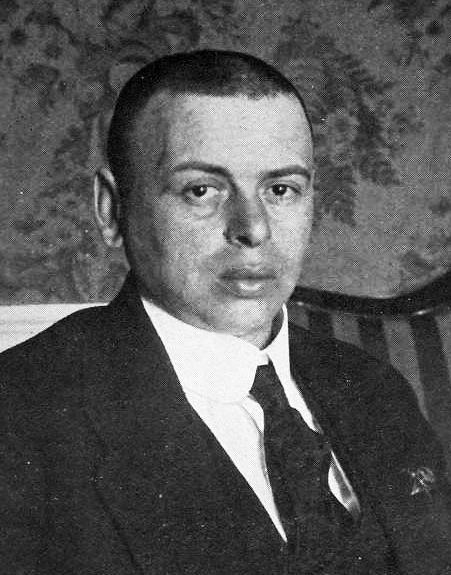
Béla Kun (1886–1938) was a key Hungarian communist leader, known for establishing the Hungarian Soviet Republic in 1919. Influenced by the Russian Revolution, he implemented radical reforms but faced significant opposition, leading to the state’s collapse. After fleeing, he was executed during Stalin’s purges, leaving a controversial legacy of communism and repression.
-

Friedrich Engels was a key figure in developing Marxist theory, co-authoring The Communist Manifesto and collaborating with Karl Marx for four decades. His independent works, such as The Origin of the Family, contributed significantly to socialist thought, addressing class, state, and gender issues. Engels’s legacy includes his role in international socialism and dialectical materialism.
-

Leon Trotsky’s The Revolution Betrayed critiques the Soviet Union’s deviation from revolutionary ideals under Stalin. Published in 1937 and reissued in 2015, it analyzes the rise of bureaucracy and predicts the USSR’s collapse due to systemic issues. Trotsky’s insights on democracy and governance remain relevant for contemporary discourse in political and economic contexts.
-

Victor Adler (1852–1918) was the founder and leader of the Austrian Social Democratic Workers’ Party. Initially a physician, he became involved in politics advocating universal suffrage and labor rights. His pragmatic socialism prioritized legislative reforms over revolutions. Adler’s legacy persisted through his son, Friedrich, a notable socialist leader.
-
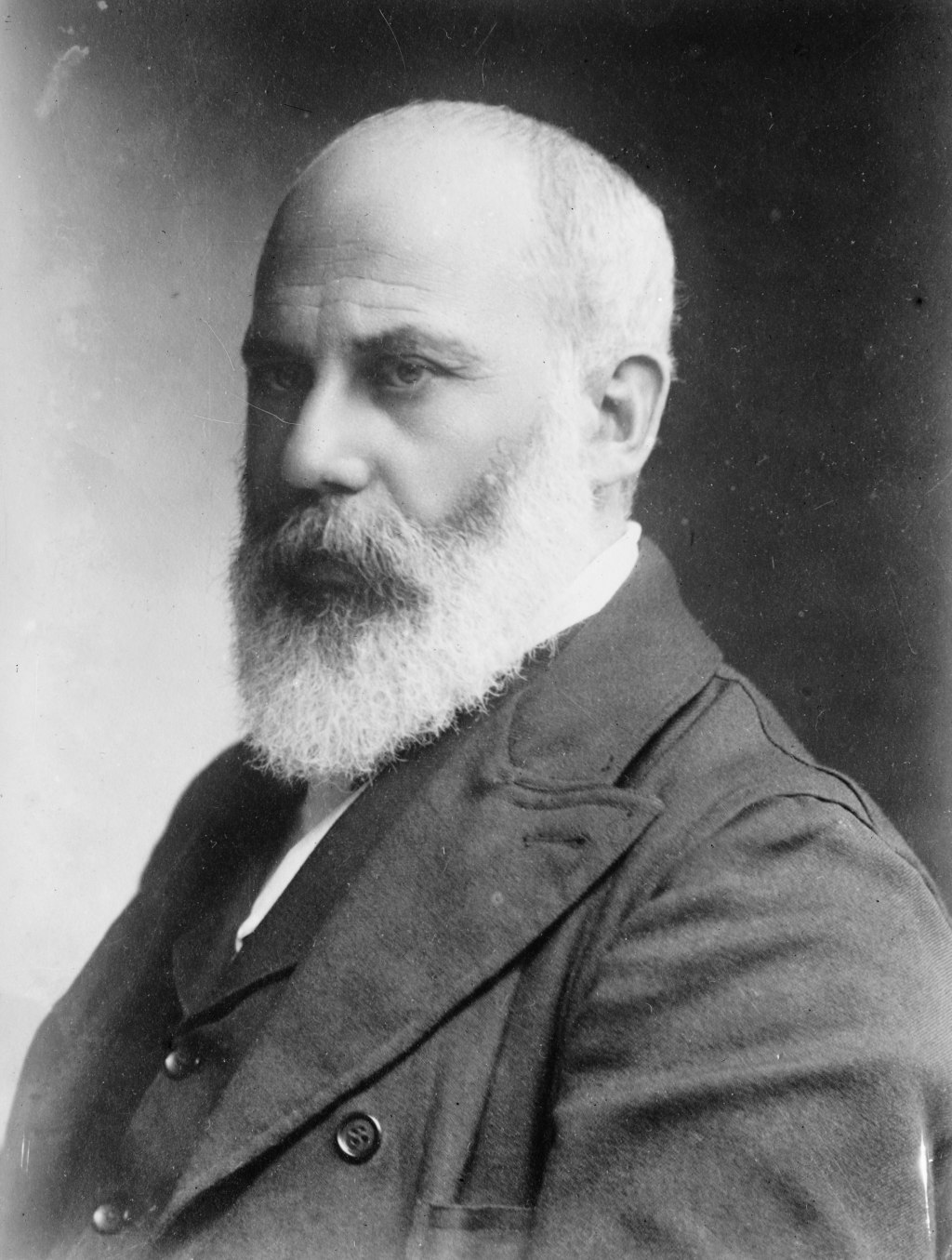
Daniel De Leon (1852–1914) was a significant American socialist theorist and labor organizer, known for developing De Leonism, which emphasized industrial unionism and political action. Educated in Europe, he contributed to socialist movements, founded the Socialist Trade and Labor Alliance, and influenced global socialist ideology. De Leon’s legacy continues to be relevant today.
-
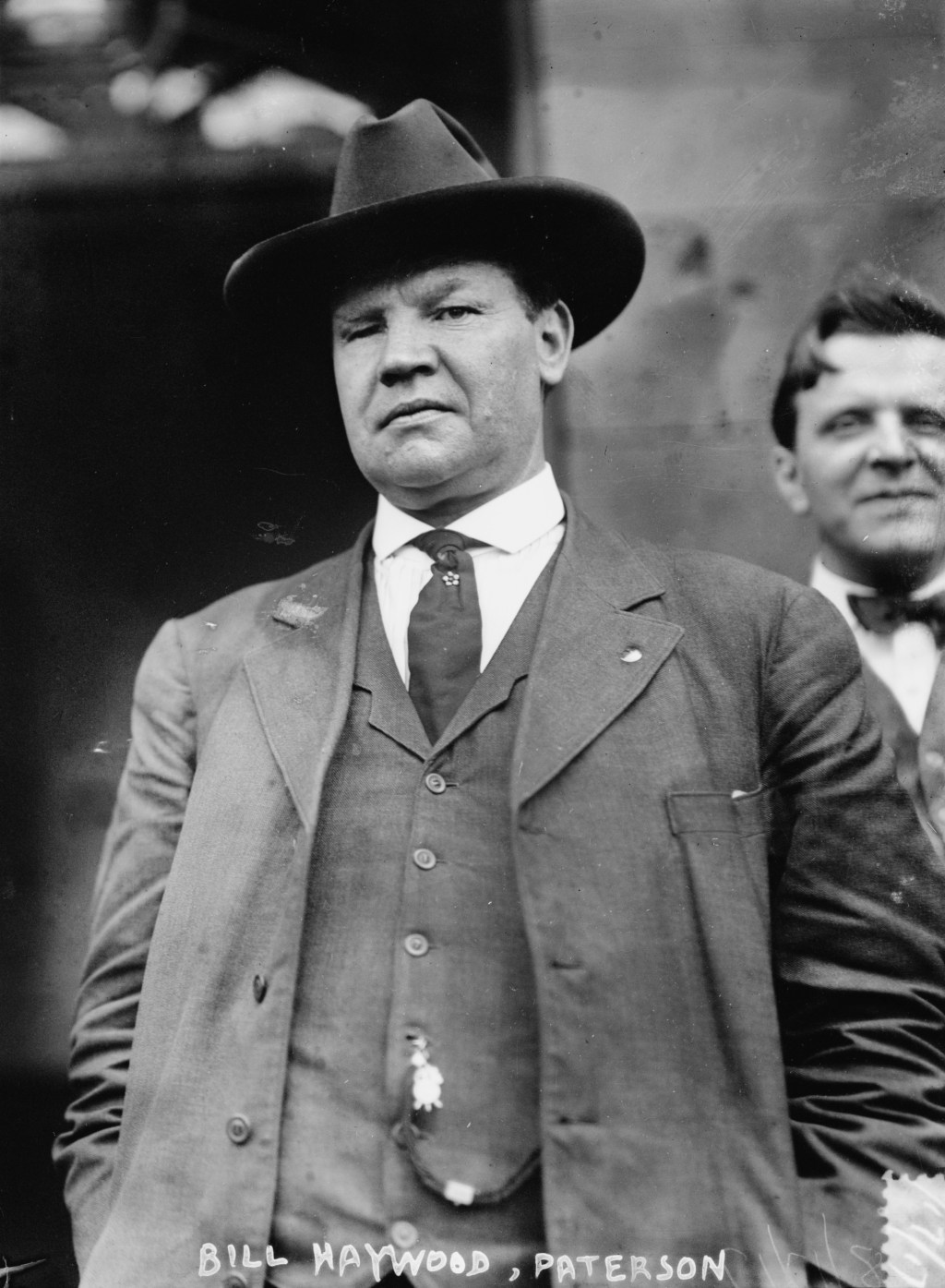
William Dudley Haywood, known as “Big Bill,” was a pivotal figure in American labor history. His advocacy for workers’ rights led to the founding of the Industrial Workers of the World (IWW). Haywood faced legal challenges due to his militant stance and eventually sought exile in Soviet Russia, where he continued to support labor movements…
 Letters from Tomis