History
-

The lecture analyzes China’s transition from a socialist economy to capitalism, emphasizing the rise of a newly proletarian class amidst capitalist inequalities and ecological challenges. The Chinese Communist Party, now resembling a bourgeois entity, faces potential revolutionary upheaval as tensions mount, with predictions of significant social and political crises ahead.
-
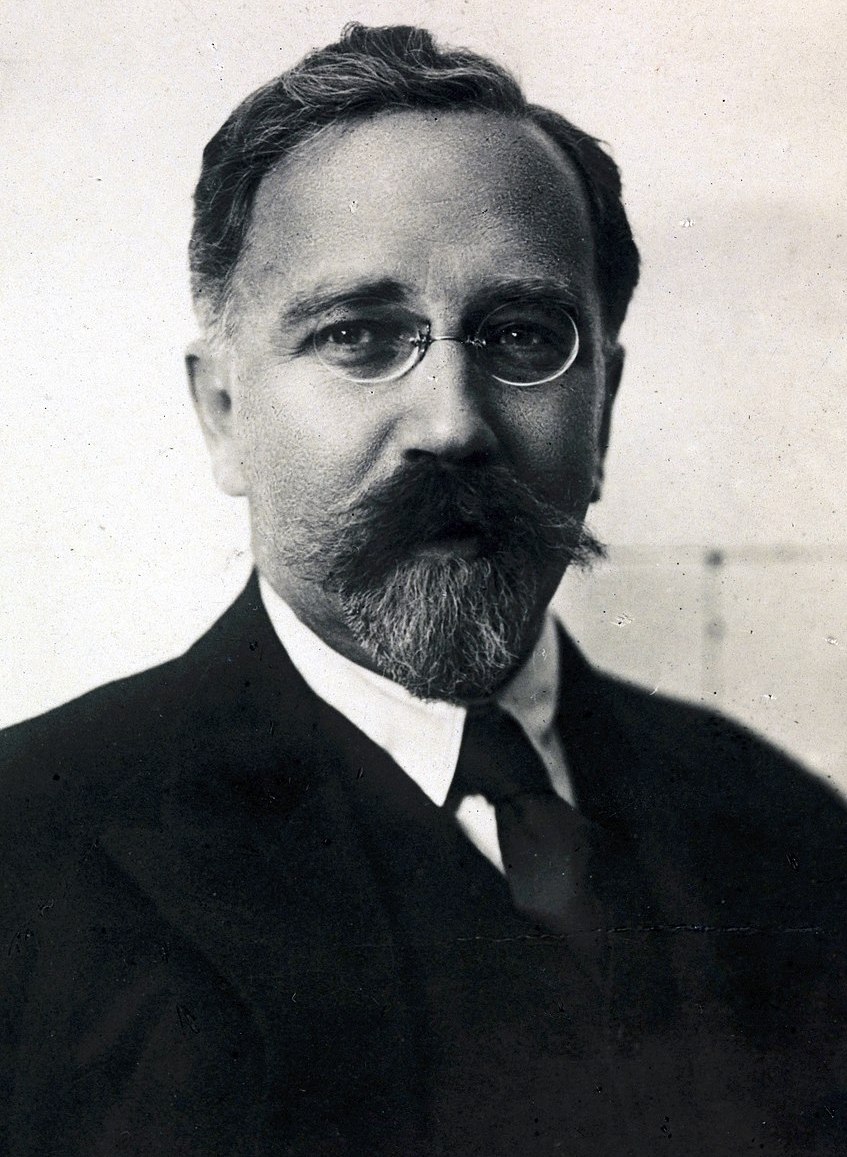
Lev Kamenev was a key Bolshevik revolutionary and early Soviet leader, closely associated with Lenin. He opposed the October Revolution’s timing but played significant roles in Soviet governance and policy. Ultimately critical of Stalin, he joined the United Opposition, was purged, and executed during the Great Purge, highlighting the tragic fate of early Bolsheviks.
-

The content analyzes China’s economic transformation from the late 1970s to the early 2000s, focusing on capitalist restoration under bureaucratic leadership. Key themes include the role of the Communist Party in this transition, the decline of worker rights, and the emergence of capitalism, culminating in China’s integration into the global capitalist system by 2001.
-
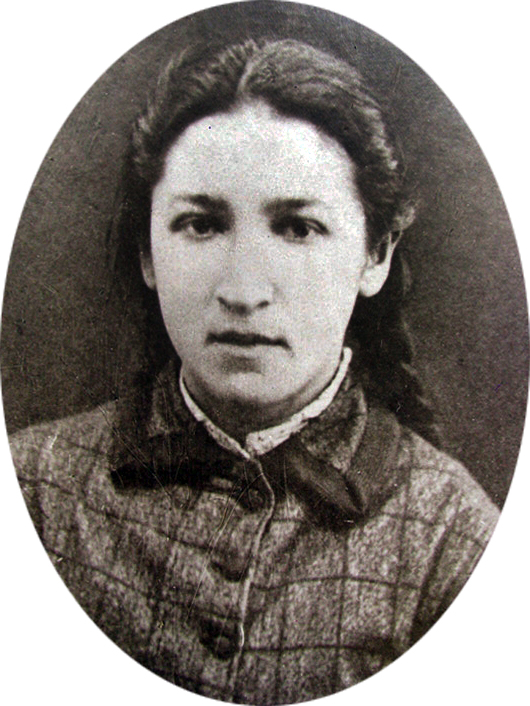
Vera Ivanovna Zasulich was a prominent Russian revolutionary and Marxist theorist, known for her 1878 assassination attempt on General Trepov. Initially influenced by populism, she became a key figure in introducing Marxist ideas in Russia, co-founding the Emancipation of Labor Group. Her later years saw a departure from active politics, especially post-1917 Revolution.
-

The lecture on “The Communist Manifesto” emphasizes its historical significance and ongoing relevance in contemporary discourse. It explores the text’s insights on capitalism, class struggle, and Marxist theory, alongside a critique of its predictions and enduring themes such as alienation and inequality in today’s global economy.
-
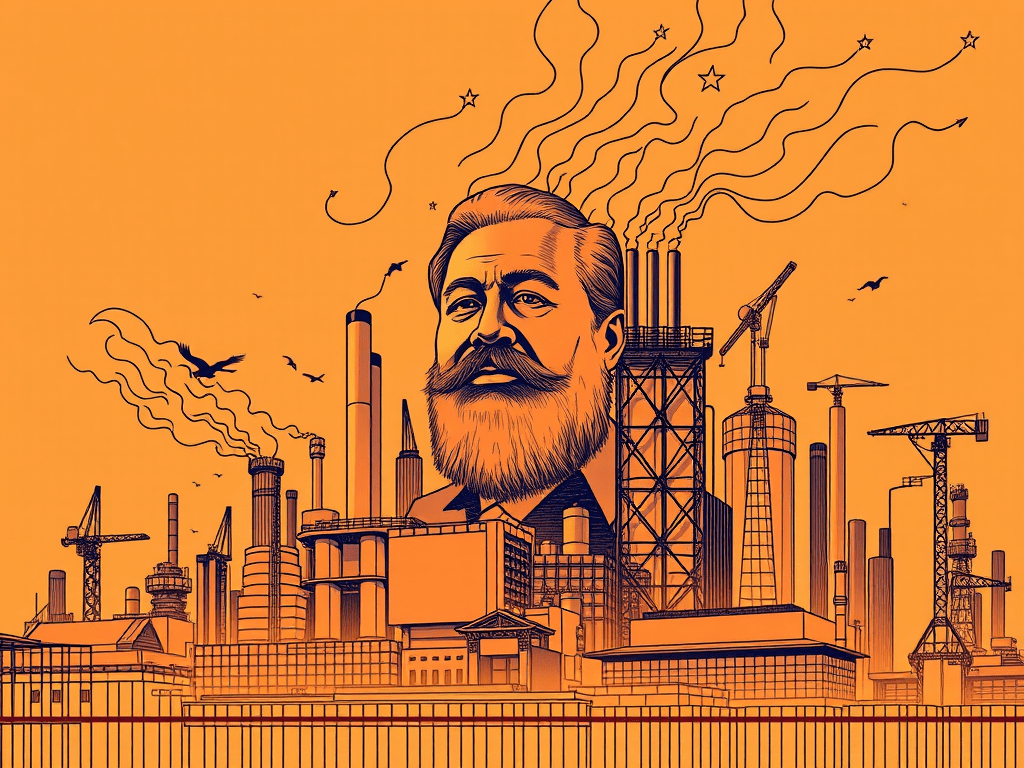
Lecture Short lecture based on Fred Weston’s article: https://marxist.com/new-chinese-translation-of-china-from-permanent-revolution-to-counter-revolution-available-now.htm Lecture Overview Today’s lecture explores Fred Weston’s Marxist analysis of China’s political and economic transformation from a revolutionary workers’ state to a capitalist imperialist power. This text serves as a preface to the Chinese translation of China: From Permanent Revolution to Counter-Revolution, and offers a panoramic…
-
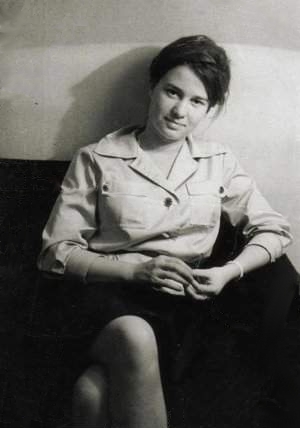
Ulrike Meinhof, a German journalist and co-founder of the Red Army Faction, evolved from a respected intellectual to a revolutionary militant. Her radicalization, driven by disillusionment with traditional protest, led to violence justified by Marxist ideology. Arrested in 1972, Meinhof’s death in 1976 remains controversial, symbolizing state repression and revolutionary tragedy.
-
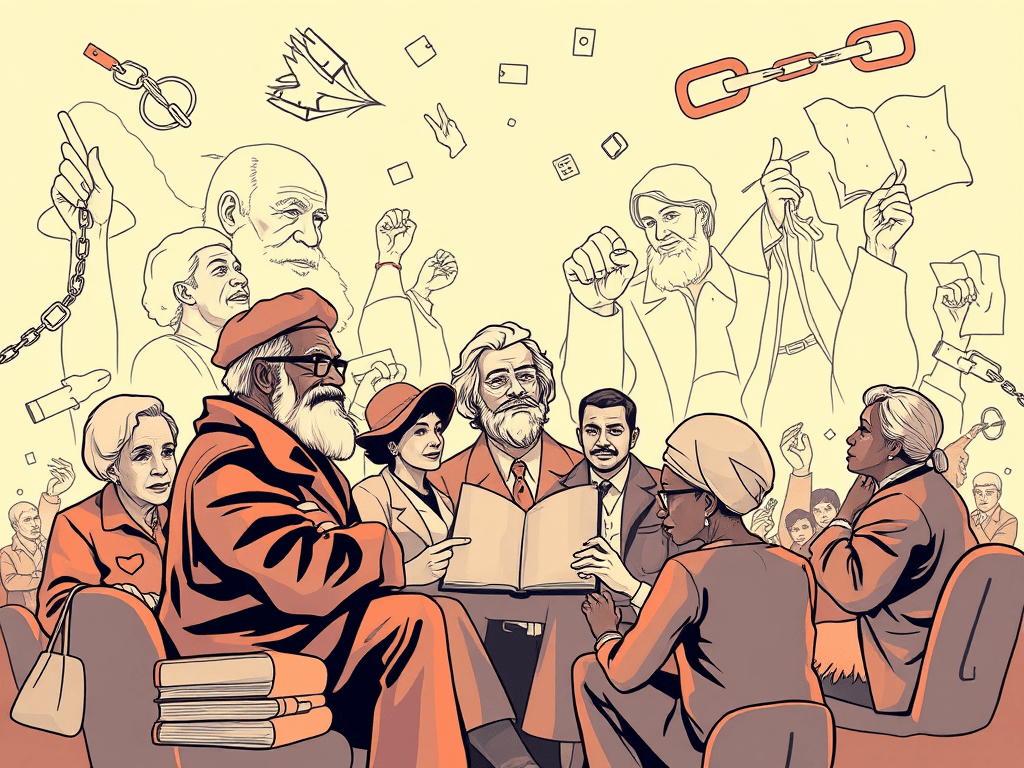
Marxist humanism emphasizes human freedom, drawing from early Marx’s ideas on alienation and emancipation. Emerging in the 1960s, it critiqued bureaucratic socialism, blending Marxism with Hegelian themes. The tradition addresses global issues like decolonization, ecology, and social justice, advocating for a socialism centered on human dignity and needs.
-

Fidel Castro, born on August 13, 1926, became a central figure in Cuba’s revolutionary movement against Batista’s regime. His rise to power began with the 1953 Moncada attack, leading to his governance and significant reforms. Castro’s leadership saw Cuba align with Soviet socialism amid Cold War tensions, facing criticism for human rights abuses while improving…
-
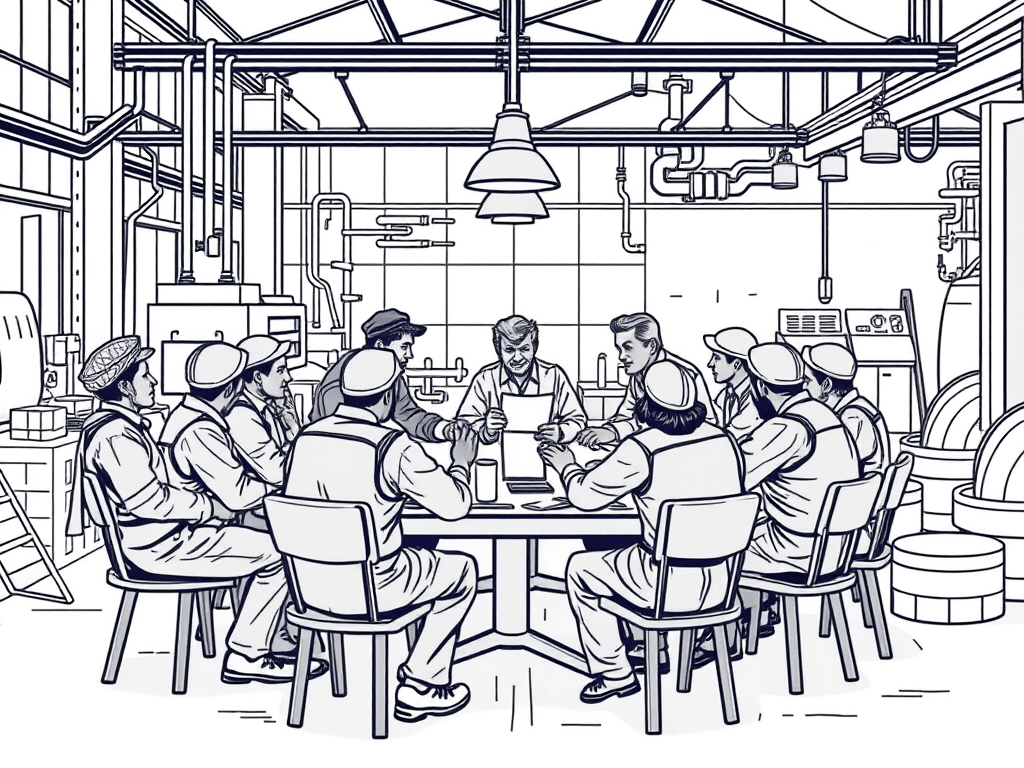
Council communism emerged in the early 20th century as a Marxist ideology advocating socialism through workers’ councils rather than centralized party rule. It critiques Leninism for its authoritarianism and argues for direct worker self-management. Although a mass movement subsided by the 1930s, its ideas continue to influence contemporary discussions on grassroots democracy and socialism.
 Letters from Tomis