Book Club
-
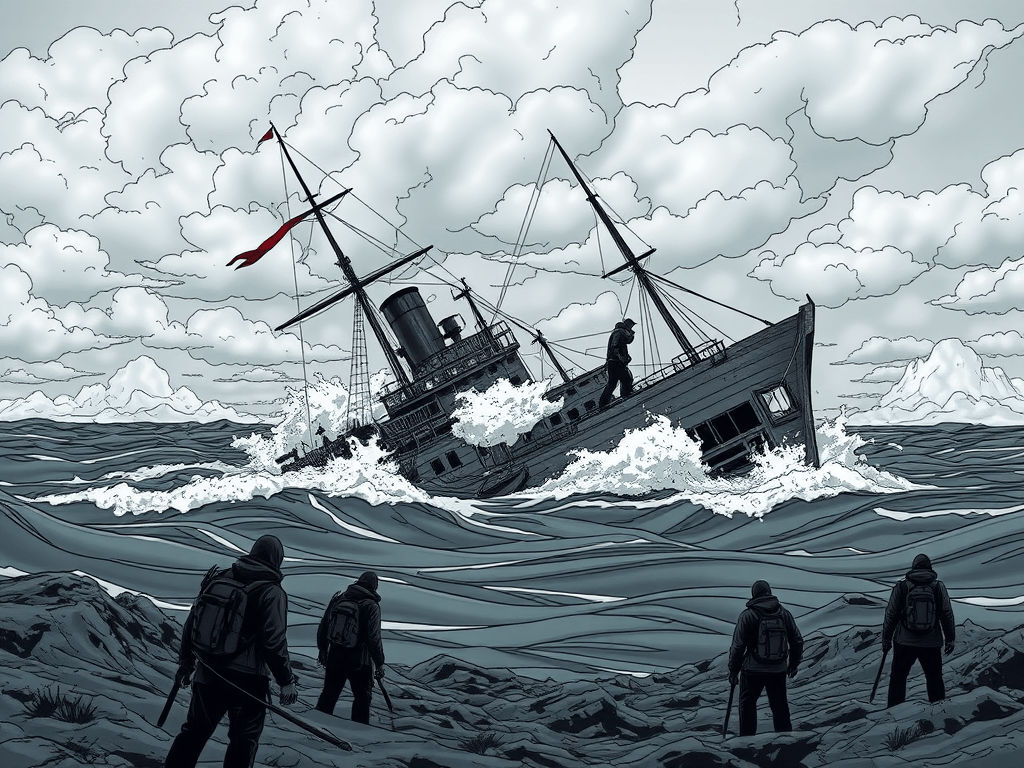
David Grann’s The Wager explores the 1741 shipwreck of HMS Wager, examining themes of authority, truth, and memory amid survival struggles. Through multiple survivor accounts, Grann critiques the politics of narrative in imperial contexts. While engaging, the book lacks indigenous perspectives and systemic analysis, raising important questions about historical storytelling.
-
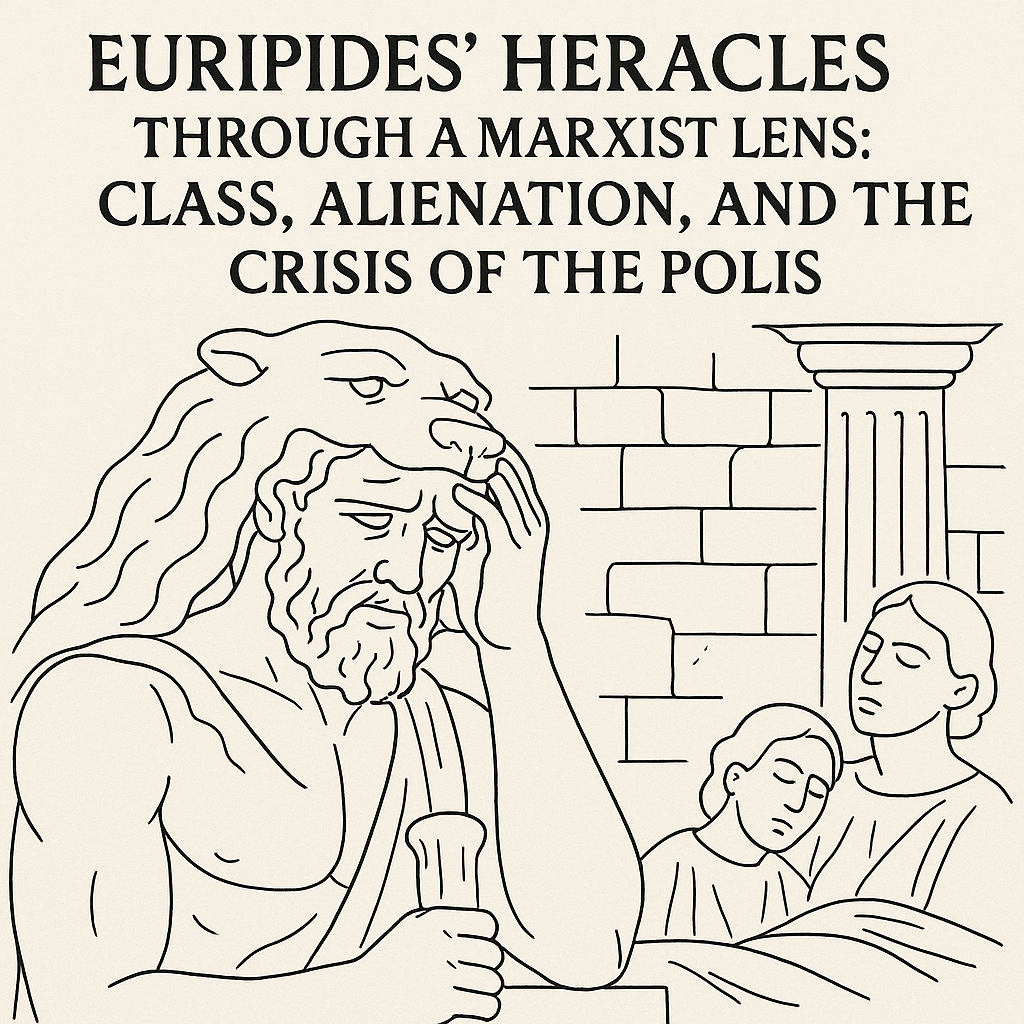
Euripides’ Heracles reveals the decay of a society sustained by conquest and patriarchy. Through a Marxist lens, the hero’s madness becomes the mirror of class alienation—his strength exploited, his humanity destroyed. The tragedy exposes not divine will, but the self-destruction of a world built upon labor, domination, and ideological illusion.
-
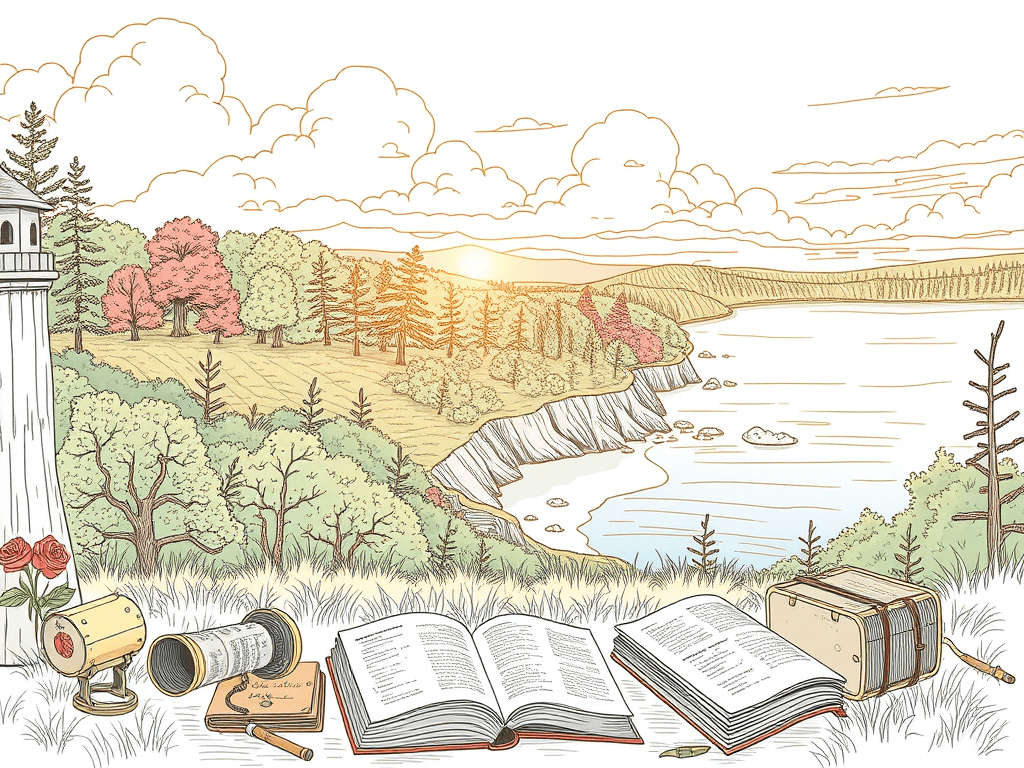
Ben Shattuck’s The History of Sound: Stories is a collection of twelve interconnected tales set in New England, exploring themes of memory, loss, and identity across three centuries. Utilizing a unique couplet structure, the narratives intertwine personal and historical artifacts, creating a layered exploration of how the past shapes present realities.
-

Aristotle’s Poetics is a cornerstone of literary theory exploring tragedy and aesthetics, yet it reflects the ideological biases of ancient Athenian society. From a Marxist view, it reinforces class hierarchies and serves conservative functions in art, necessitating historical materialist reinterpretation to understand underlying socio-economic conditions influencing artistic production.
-

James Davidson’s “Courtesans and Fishcakes” explores Athenian social life through a lens of consumption, emphasizing class relations and material production. By focusing on food, sex, and political discourse, Davidson reveals how pleasures are intertwined with labor exploitation in a slave-based economy, prompting a Marxist critique of cultural practices and underlying socio-economic frameworks.
-
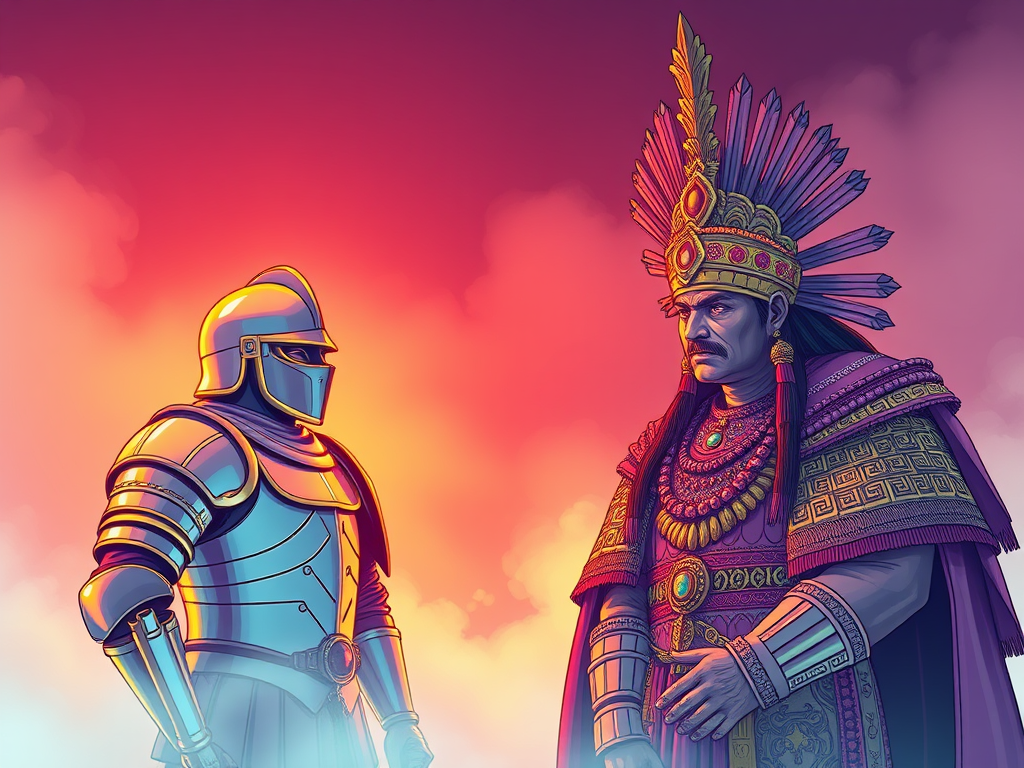
Book Review Enrigue, Álvaro. You Dream of Empires. Translated by Natasha Wimmer, Riverhead Books, 2024. Álvaro Enrigue’s You Dream of Empires ambitiously sets out to reconstruct the final days of the Aztec empire through a postmodern lens, merging surrealist humor with historical fiction. Yet for all its stylistic flair and intellectual posturing, the novel ultimately…
-

“Notes from an Island” by Tove Jansson and Tuulikki Pietilä is a minimalist blend of prose and illustrations capturing their life on Klovharun, Finland. The work reflects on solitude, artistry, and nature while maintaining emotional reserve. Its fragmentary style may challenge readers expecting narrative depth, particularly regarding intimacy and broader contexts.
-

Samantha Harvey’s The Western Wind is a historical fiction novel set in 1491, unfolding in reverse over four days. It explores themes of memory, confession, and truth through the unreliable narration of parish priest John Reve. While praised for its lyricism and structure, some criticize its historical inaccuracies.
-

Richard Ford’s “Let Me Be Frank With You” is a profound exploration of aging and human fragility through the life of Frank Bascombe. Set in post-Hurricane Sandy New Jersey, the four interconnected novellas balance dry humor and deep introspection, offering an intimate portrait of Frank as he contemplates his existence with clarity and emotional depth.
-

Asako Yuzuki’s Butter attempts to tackle true crime, feminism, and food culture but ultimately falters due to slow pacing and repetitive themes. The narrative revolves around journalist Rika Machida’s investigation into Manako Kajii but lacks suspense and strong character development, resulting in a disappointing read for those seeking a compelling story.
 Letters from Tomis