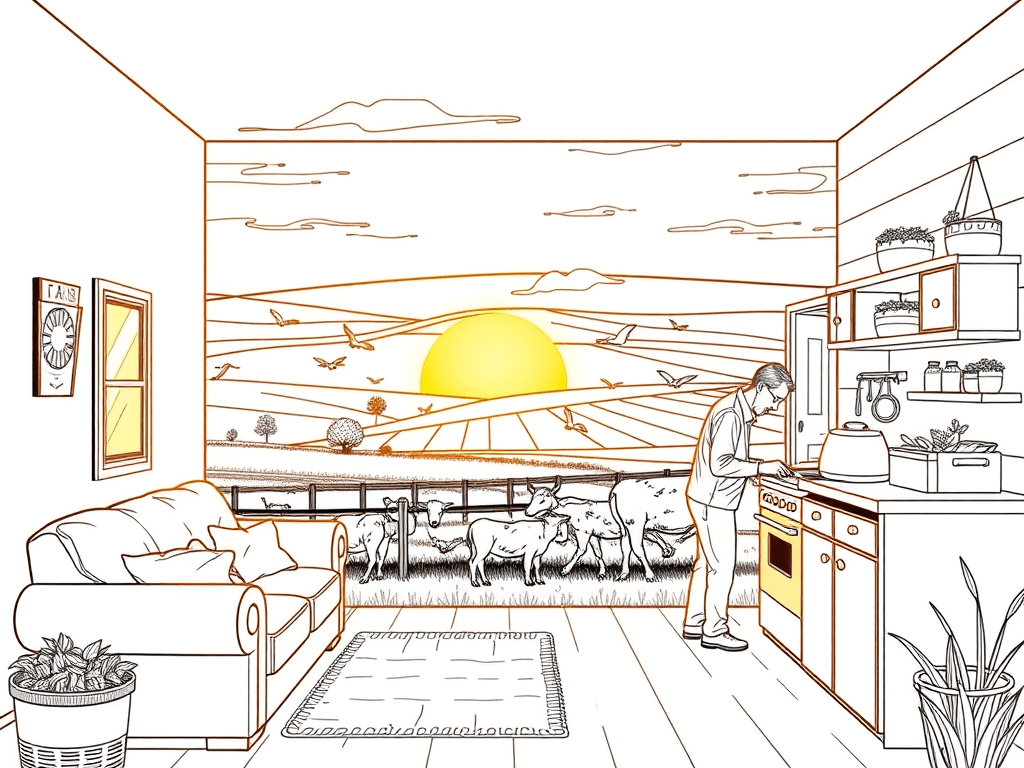
When I was a young child, we lived on a small, modest farm in the Central Valley of California, where the sun bathed the fields in golden light during the day. My bed was actually a couch tucked into a cozy corner of a small family room, inconveniently situated just off our country kitchen. The early mornings were a unique blend of silence and the anticipation of a new day. Around 4:30 am, I would awaken to the familiar sounds of my father cooking breakfast—his gentle movements punctuating the stillness before the world fully came to life. He held a steady job as a janitor at an elementary school in the next large town over, a role he embraced with the same quiet determination he applied to every aspect of our lives.
Despite the hard work and dedication he poured into both the farm and his job, the reality of our situation was clear: small family farms were not “profitable” enough in the American capitalist system to sustain our family on their own. For over thirty years, my father would rise with the sun, tending to our farm animals with affection and care, as if each creature was a part of our family’s fabric. After these early morning chores, he would drive into town to work for eight to ten hours, tirelessly cleaning classrooms and hallways. Yet, his day did not end there; he would return home to tackle another “job” on the farm in the late afternoon and evening, his dedication a testament to his unwillingness to let us go without. Such was our life—a rhythm of tireless labor, sacrifice, and an unyielding love for family and farm.
In the evenings, as we gathered around the table for dinner, my father would often speak about belonging to a union in his “town” job. To my young, naive mind, the concept of this union was puzzling. I would ask him, often with a hint of indignation, why he chose to be part of an organization that deducted precious money out of his meager paycheck every month. What tangible benefits could potentially come from this union? In my youthful innocence, I couldn’t see how a group of people far removed from our daily lives could possibly help with the more immediate challenges we faced. After all, they didn’t assist in cleaning up the messy classrooms, nor did they help feed our farm’s chickens, or lend a hand during harvest time before the rains set in. What possible good could they do for our family?
These poignant questions danced around the dinner table, and while my father explained the importance of collective bargaining, worker rights, and the principle of standing together, I felt an instinctual skepticism. The union seemed a distant abstraction amidst the tangible struggles of our day-to-day existence. In retrospect, those discussions were early lessons in the complexities of community, solidarity, and the unseen support systems that often operate behind the scenes of our lives.
What I didn’t know then was what the union really represented to my father. Was it his symbol of working class solidarity? Was it a way for him to demand respect for the back breaking labor that he gave every day of his life in his struggle to put food on our table and house over our heads? What did union membership actually mean to him?
He died going on twenty years ago, and the time for such questions are now long over. Over decades I’ve experienced the ups and downs of the American capitalist system myself: corporate downsizing, off-shoring, out-sourcing, layoffs, prolonged unemployment, endless rounds of job interviews, and finally somewhat stable employment–for now. All great lessons to learn in today’s capitalist labor market.
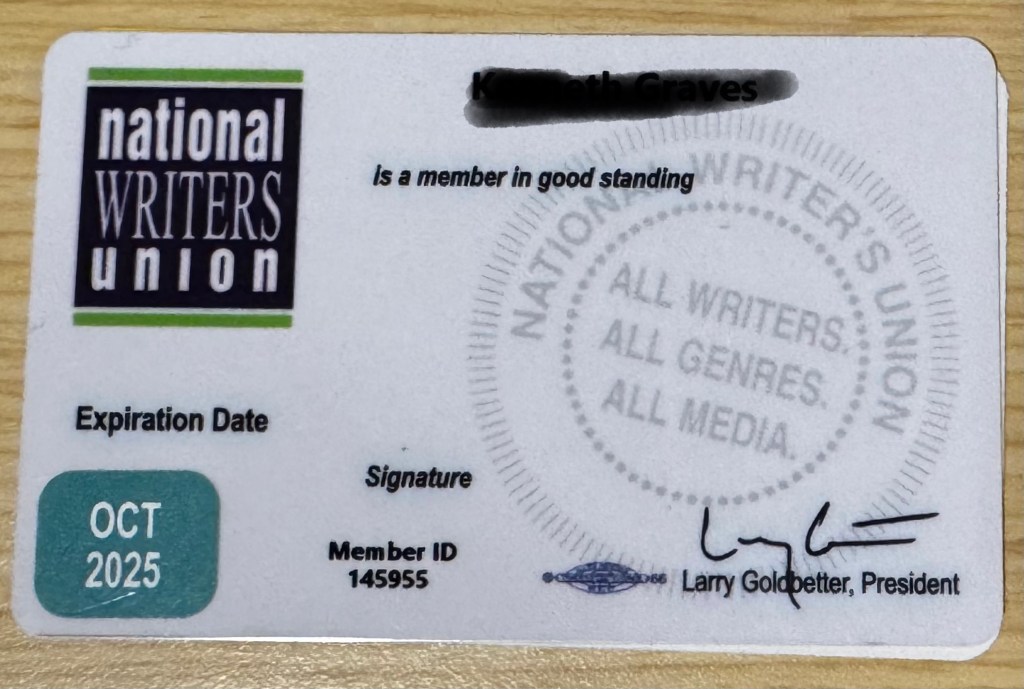
But this week, I received my first union card. I’m now a proud member of the National Writers Union! This one is for you, daddy. I now understand.
 Letters from Tomis
Leave a comment